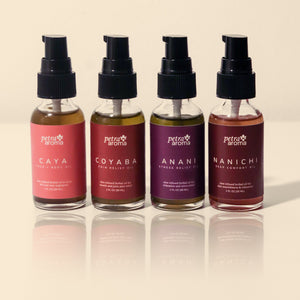
what our names mean: coyaba, anani, caya, nanichi and guada

Every oil we make carries a Taíno name. Coyaba, Anani, Caya, Nanichi, Guada: these are words from the first people of this island, and we chose each one for what the oil is meant to be in your hands. If you found us while looking up the coyaba meaning, or wondering where Nanichi comes from, here is the story behind each of our names.
why did we choose taíno names?
The Taíno were the people living on this island when the Spanish arrived, and they called it Borikén. The Taíno language was not written down by the people who spoke it, and still it stayed with us. You use it every day without thinking about it. Hamaca, huracán, canoa: these are all taíno words. So are the names of many of our towns, like Mayagüez, Utuado, Caguas and Humacao.
Our founder, Dr. Daniella Olan, grew up in the Puerto Rican diaspora in New Jersey. When she came back to the island to connect with her ancestry, she went looking for the plants and the knowledge that had been interrupted along the way. What she found is that the plants are still here, in backyards and along the roads, and we just need to learn how to use them again.
Our names come from that same place. Giving each oil a Taíno name keeps these words in daily use, on a bathroom shelf in San Juan or on a nightstand in the Bronx. You will sometimes hear us say that our roots are Taíno and jíbaro: Taíno for the indigenous plant knowledge of the island, and jíbaro for the mountain farming families who kept growing and using these plants for generations. For anyone who knows these words, seeing them on a bottle feels like home.
coyaba meaning: heaven
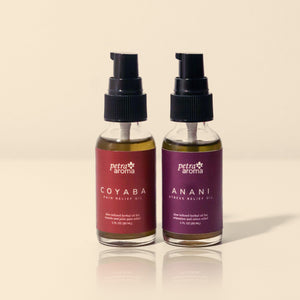
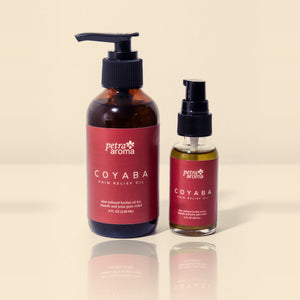
Coyaba means heaven.

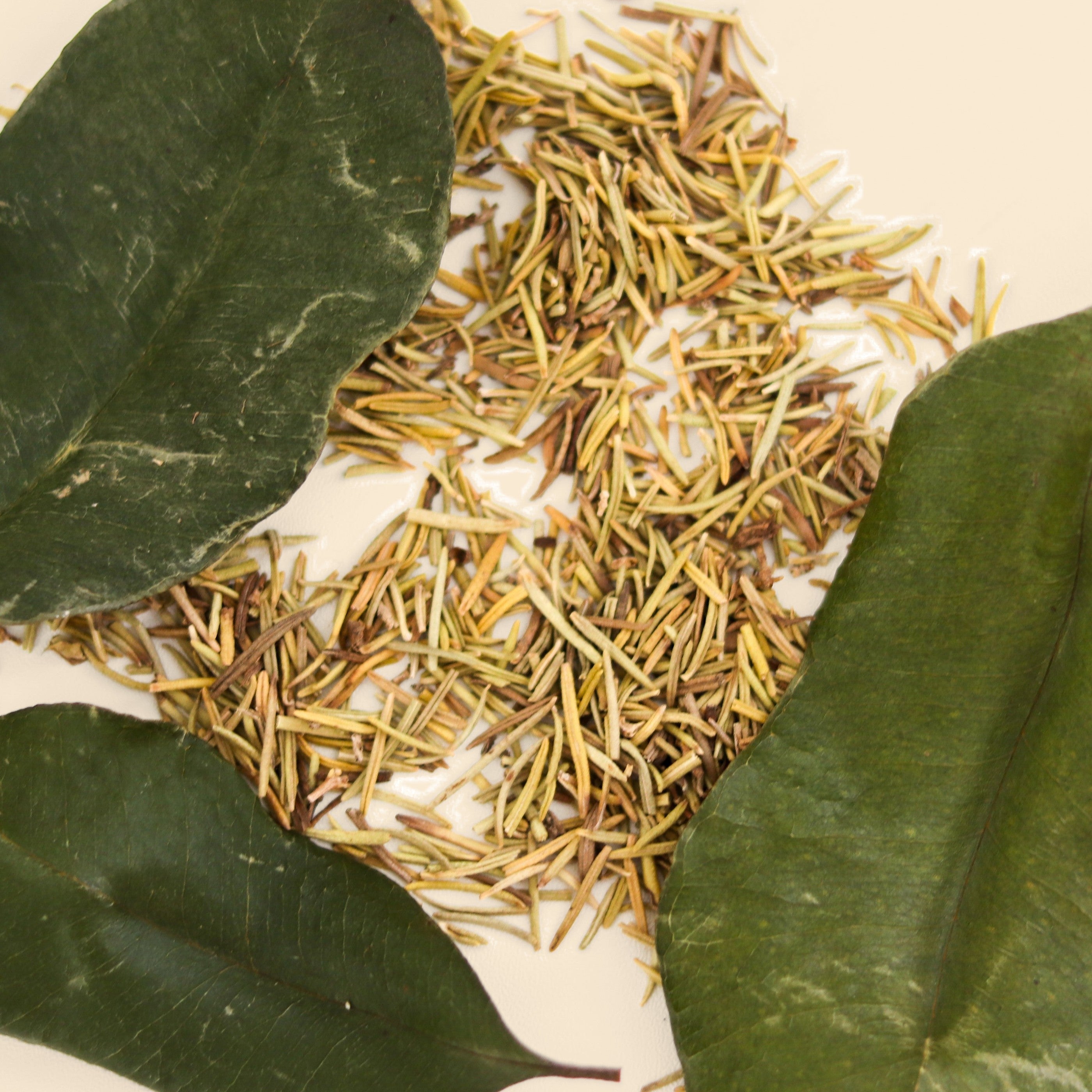
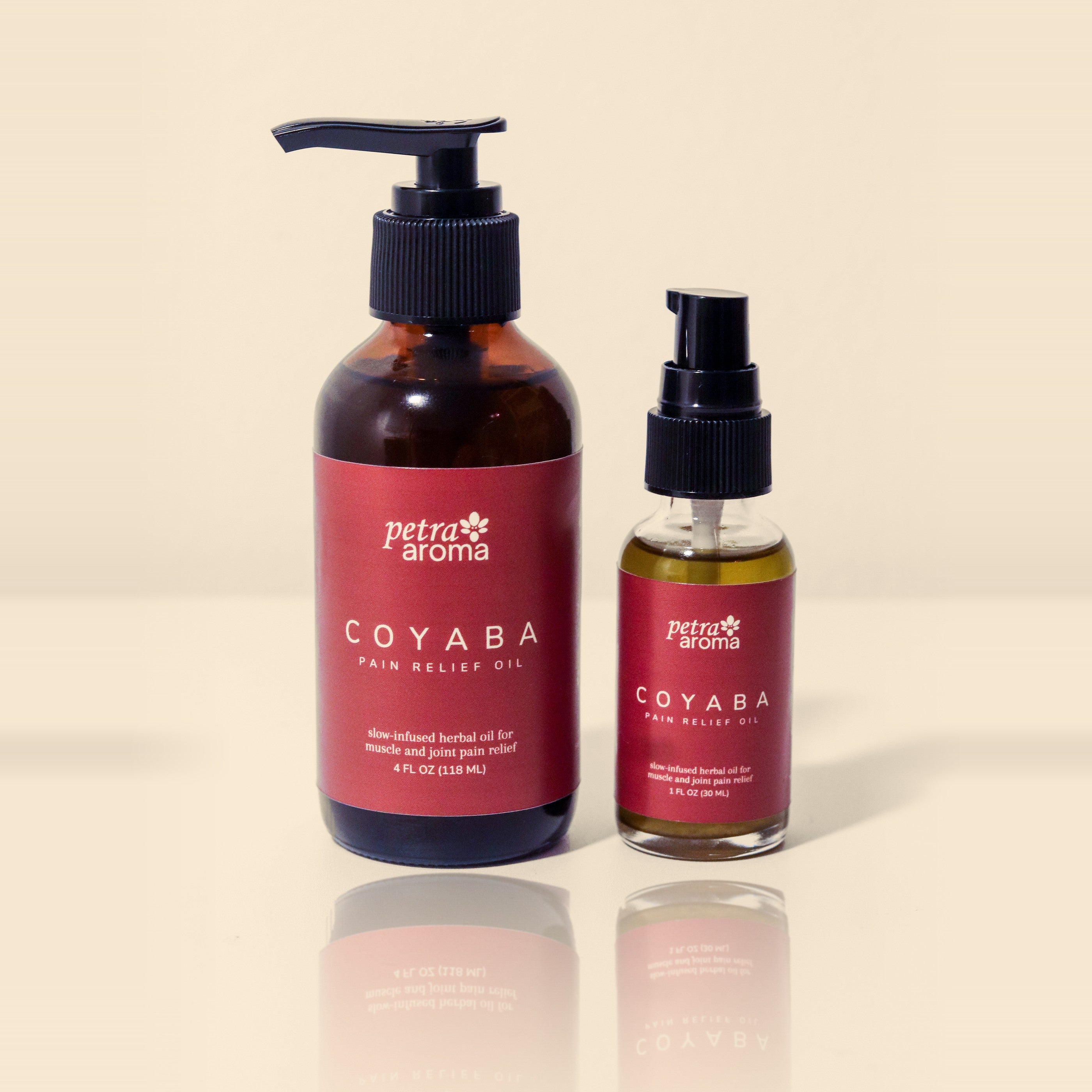
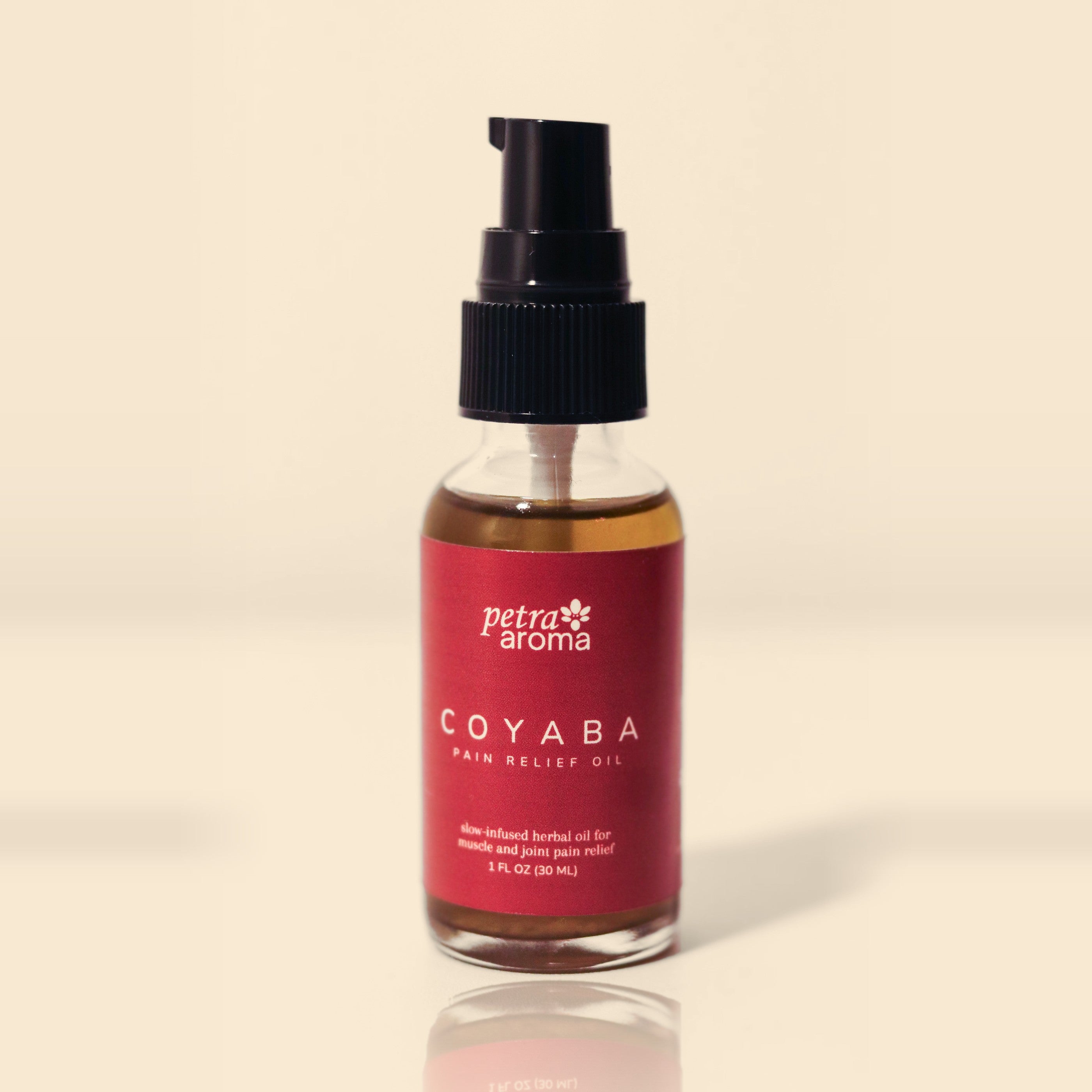
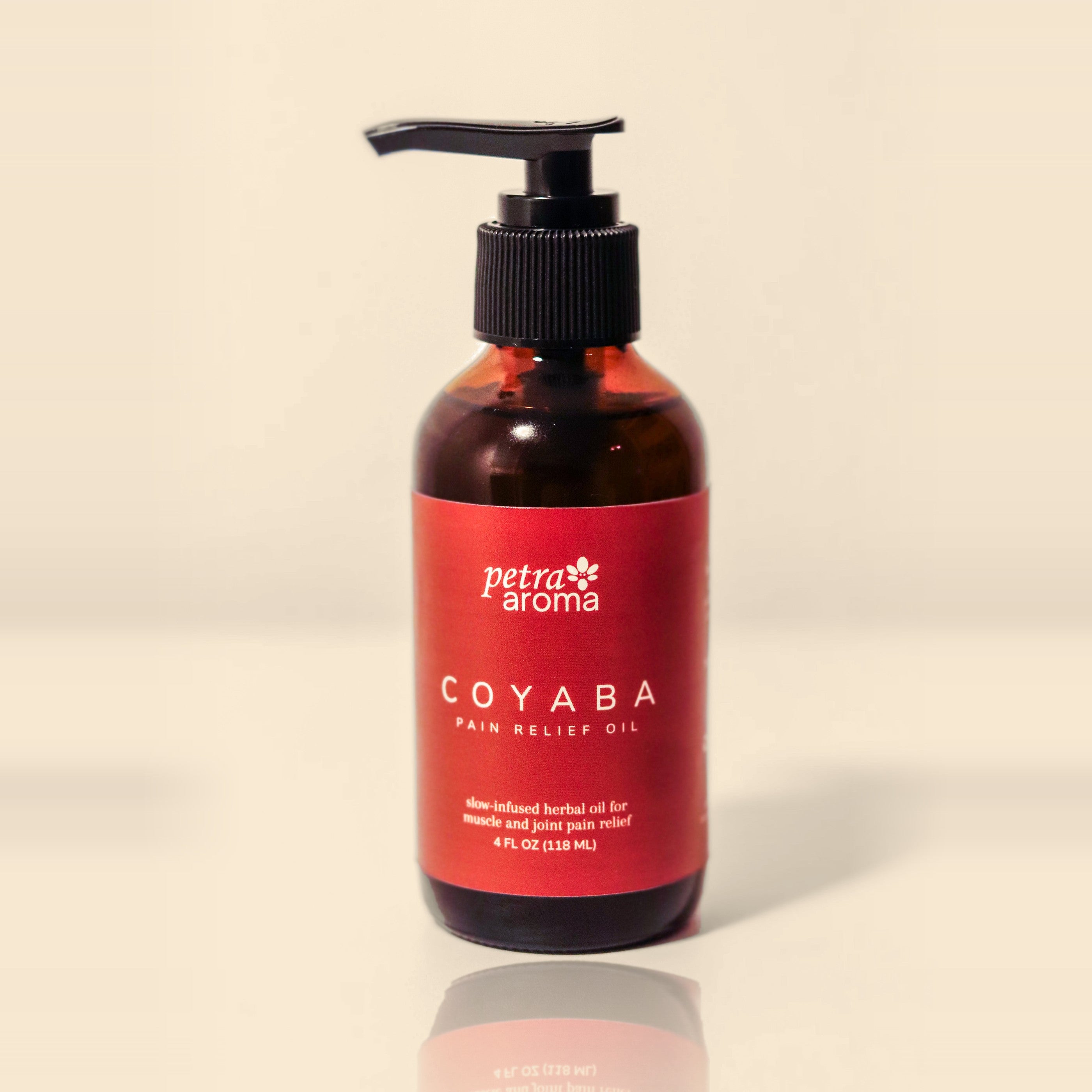
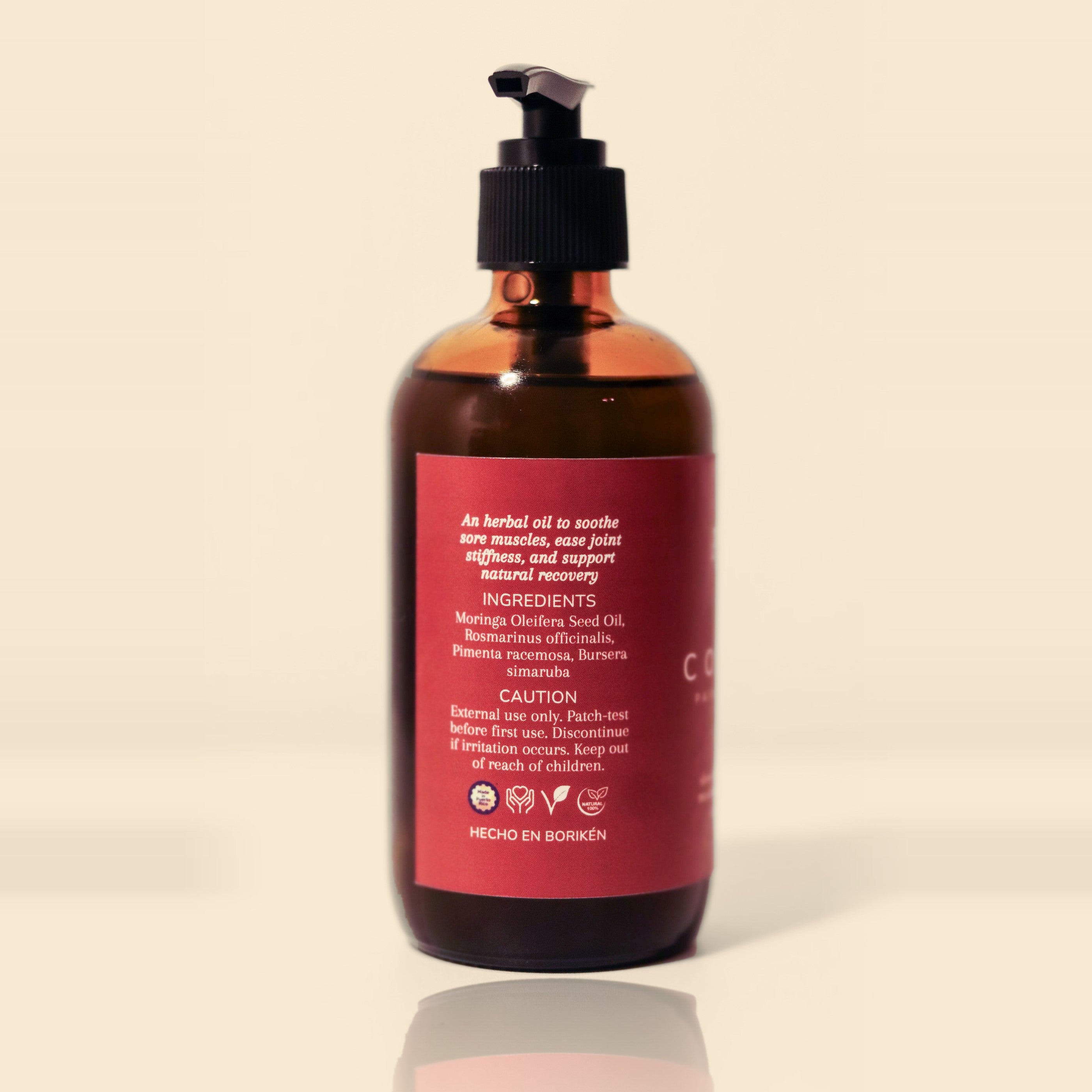
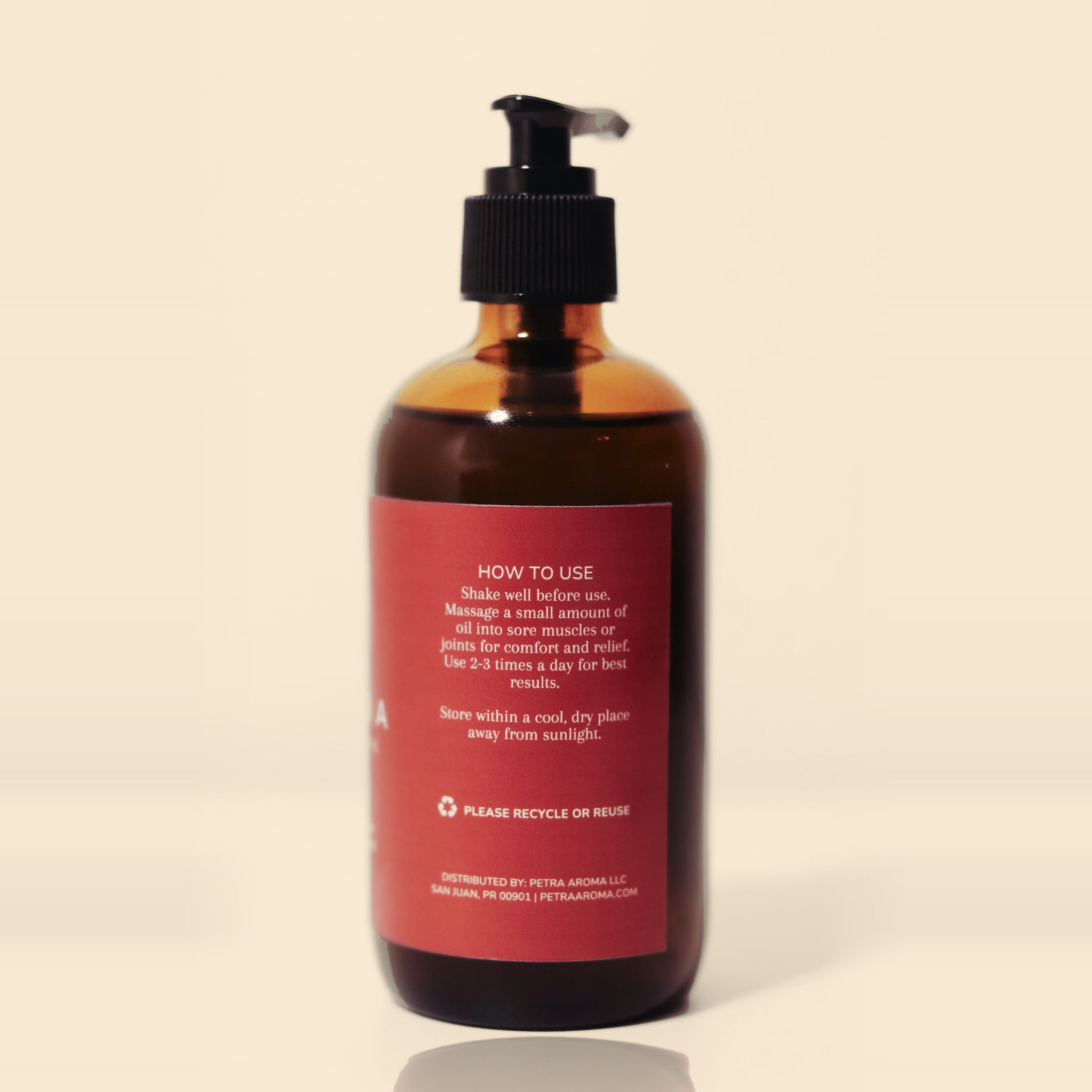
We gave that name to our pain relief oil. Coyaba is rosemary, malagueta and almácigo, steeped slowly in organic seed oil, and it is made for sore muscles, stiff joints and the tension that builds up over a long week. When you reach for it, what you are hoping for is rest, so we wanted the name on the bottle to say exactly that. The name is about the feeling we hope it brings you: the moment your shoulders soften and you can take a full, easy breath.
anani and caya: water flower and island
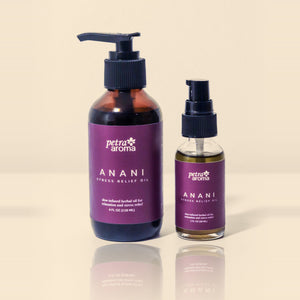
Anani means water flower. A flower resting on still water is one of the calmest images we know, so it became the name of our calming oil. Holy basil and spearmint both have a fresh, cooling aroma, and we wanted a name that felt as light and quiet as they do. Anani is holy basil and spearmint in moringa seed oil, made for the end of a long day and for the places where you hold your stress: your neck, your shoulders, your chest.


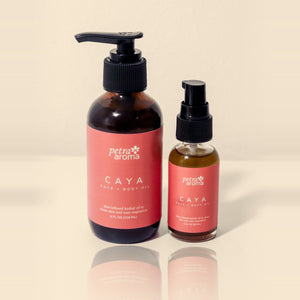
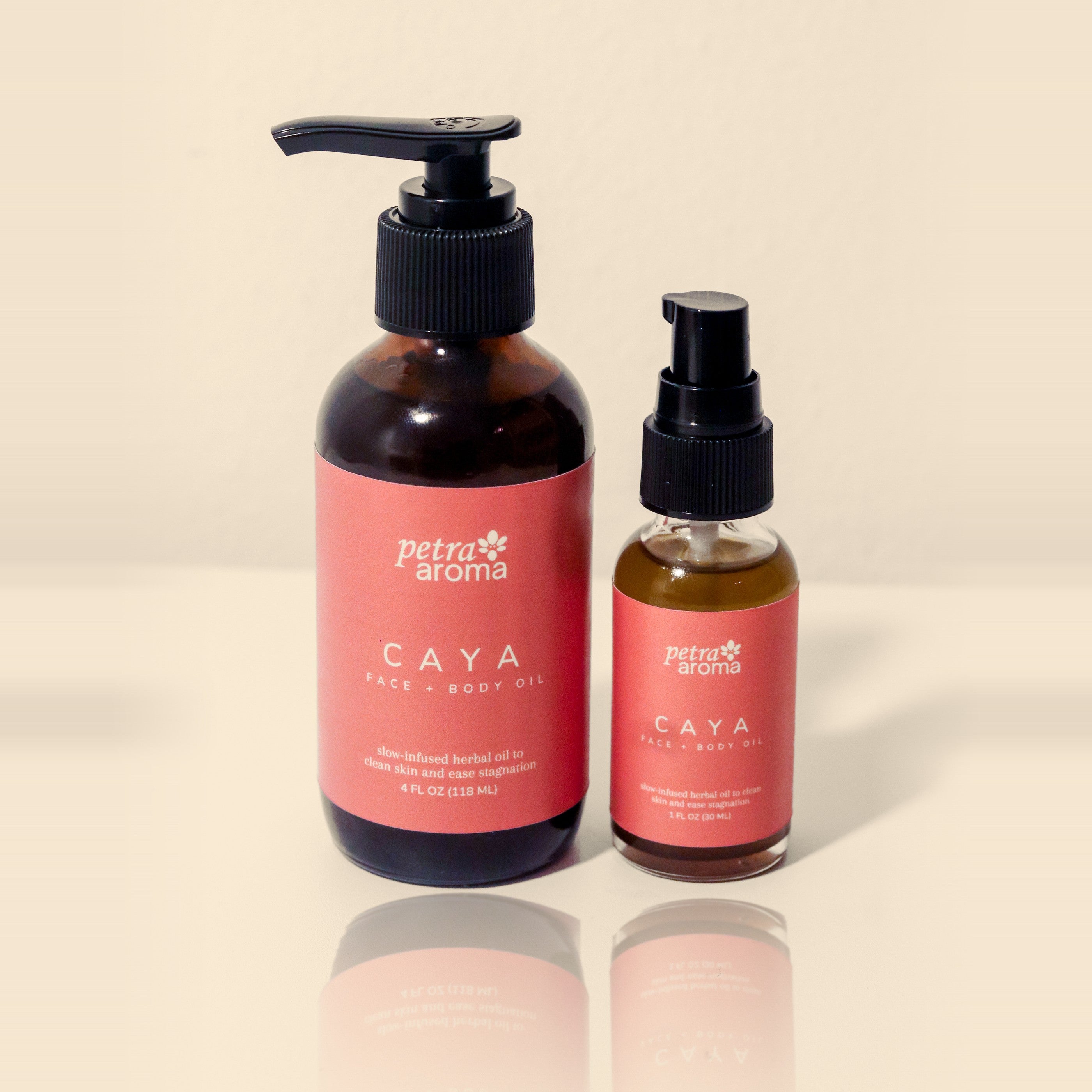
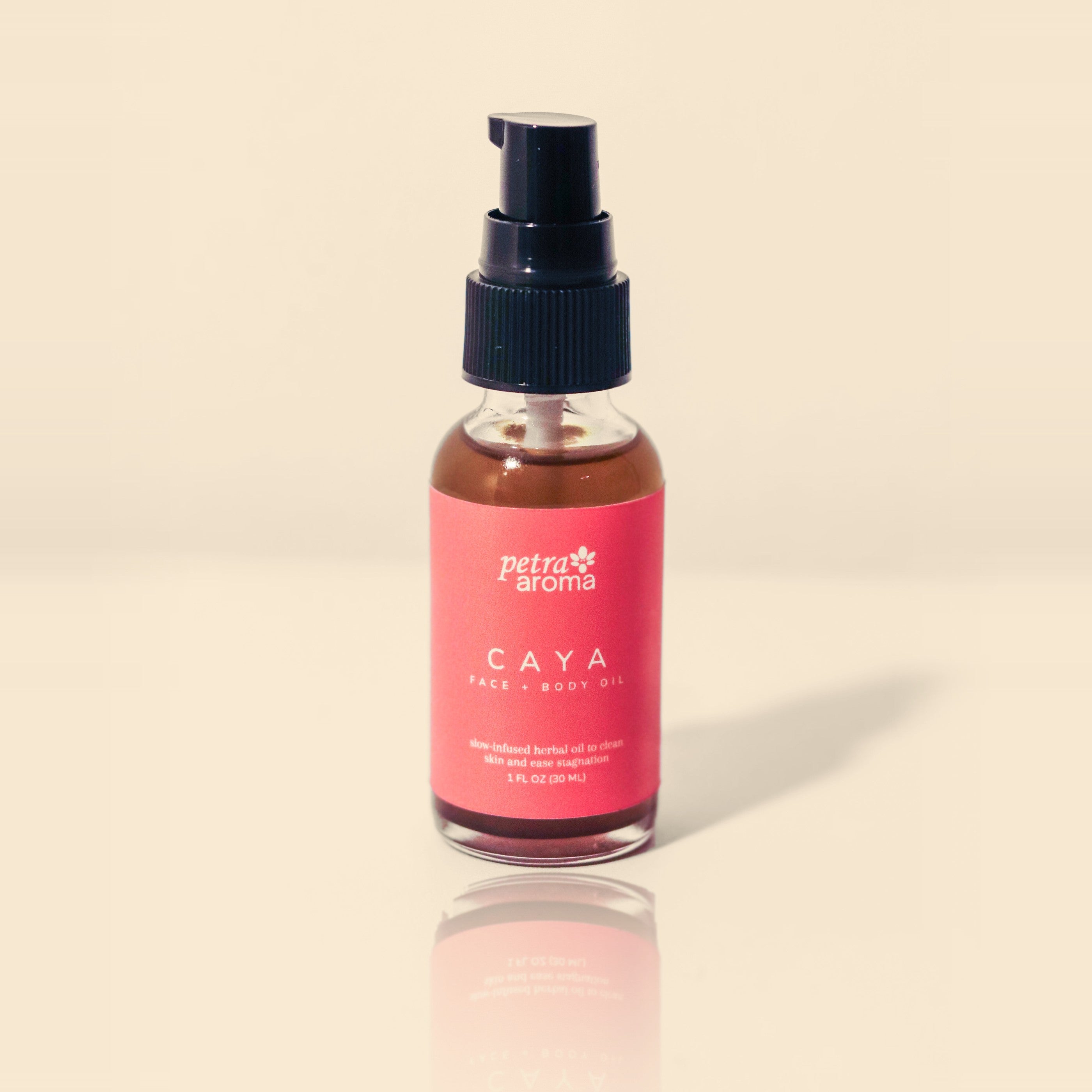
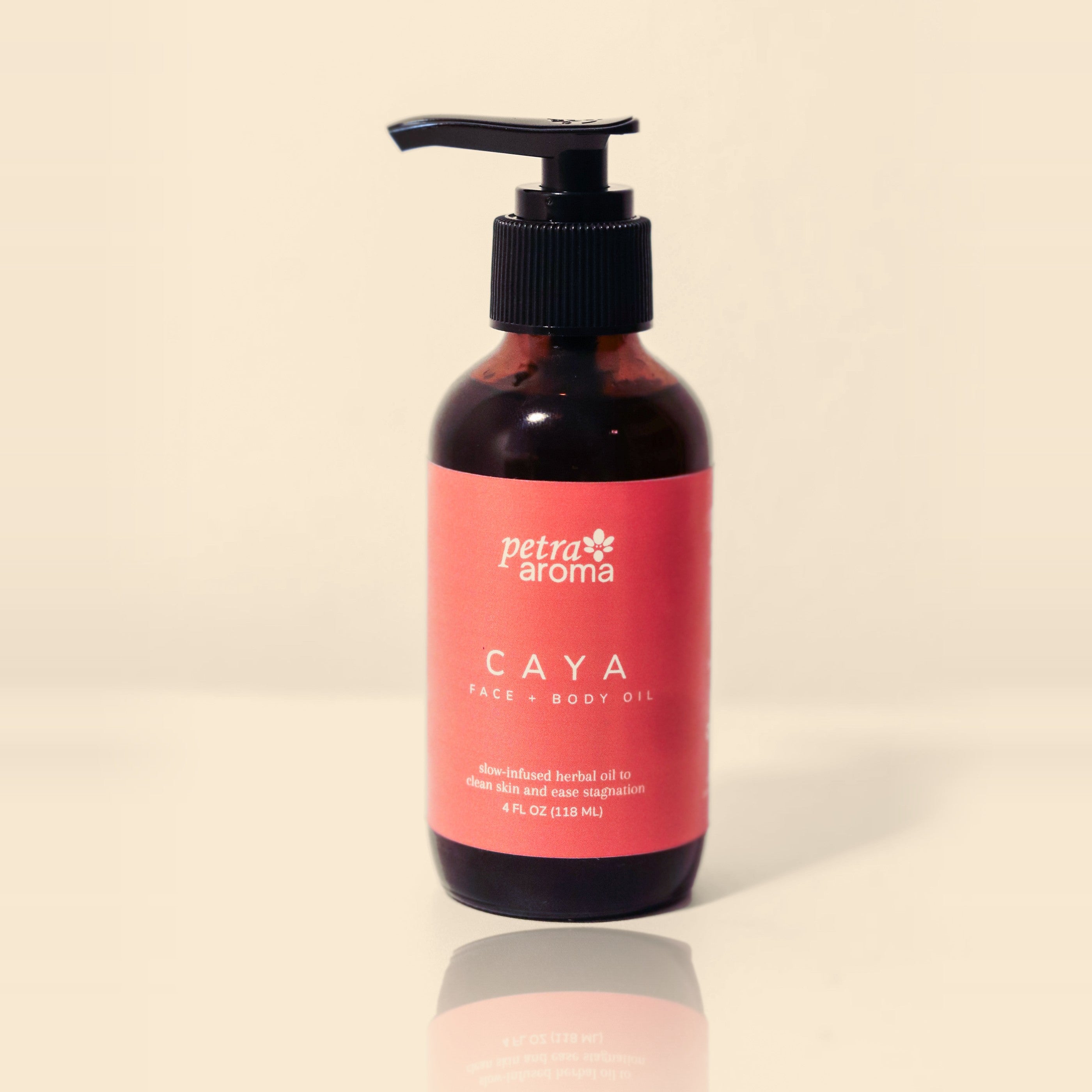
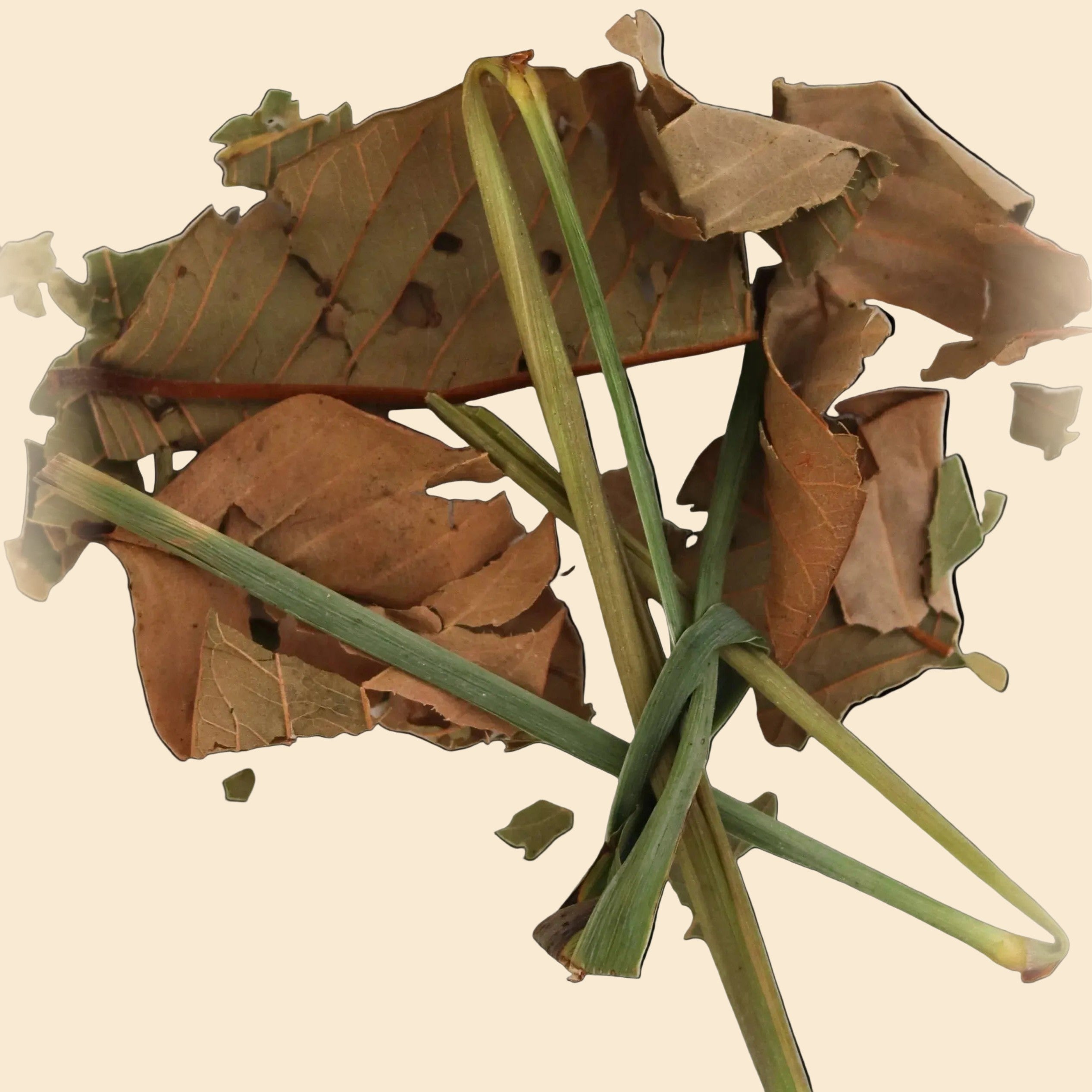
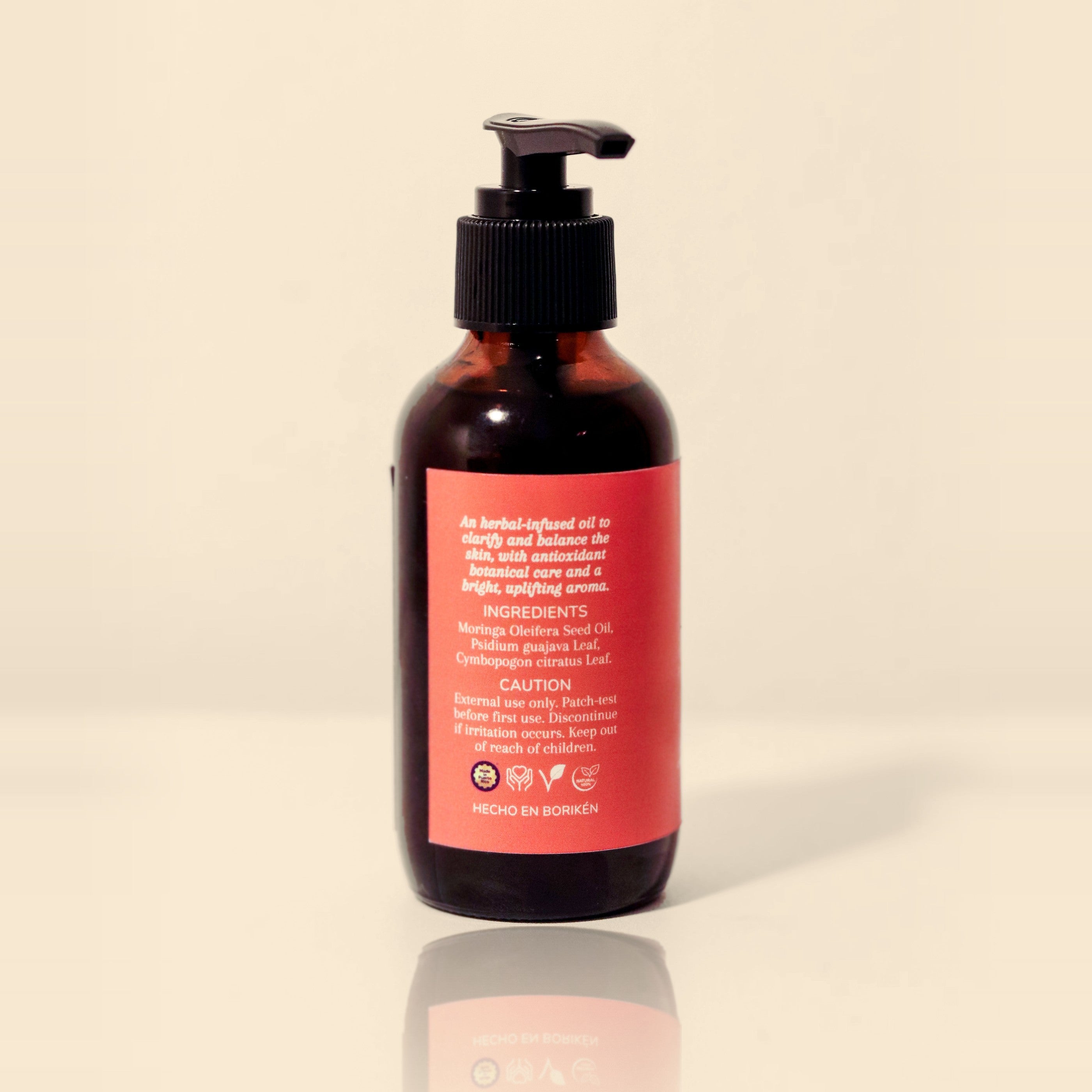
Caya means island. Our face and body oil, Caya, holds guava leaf and lemongrass, two plants that grow easily all over Puerto Rico. The idea behind the name is simple: a piece of the island in a bottle you can take anywhere. Daniella knows what it is to want a little of the island with you when you are away from it. For everyone in the diaspora, Caya is our way of sending some home to you. You can read more about both plants in guava leaf and lemongrass: the plants inside caya.

nanichi: my heart
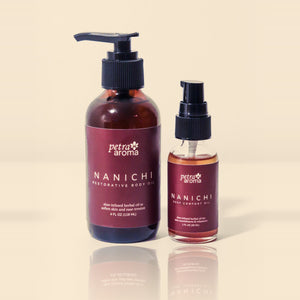
Nanichi, Taíno for my heart, is what you call someone you love. It is a soft word and a certain one, and we gave it to our richest oil.

Nanichi is cacao steeped in moringa seed oil, made for skin that feels dry and tight. Across the Caribbean and Mesoamerica, cacao has long been tied to the heart. It is what you make warm in a cup for someone who needs comfort. Naming this oil after the heart felt right from the very beginning. The full story of the plant is in cacao for your skin: why we put it in a body oil.
guada: garden
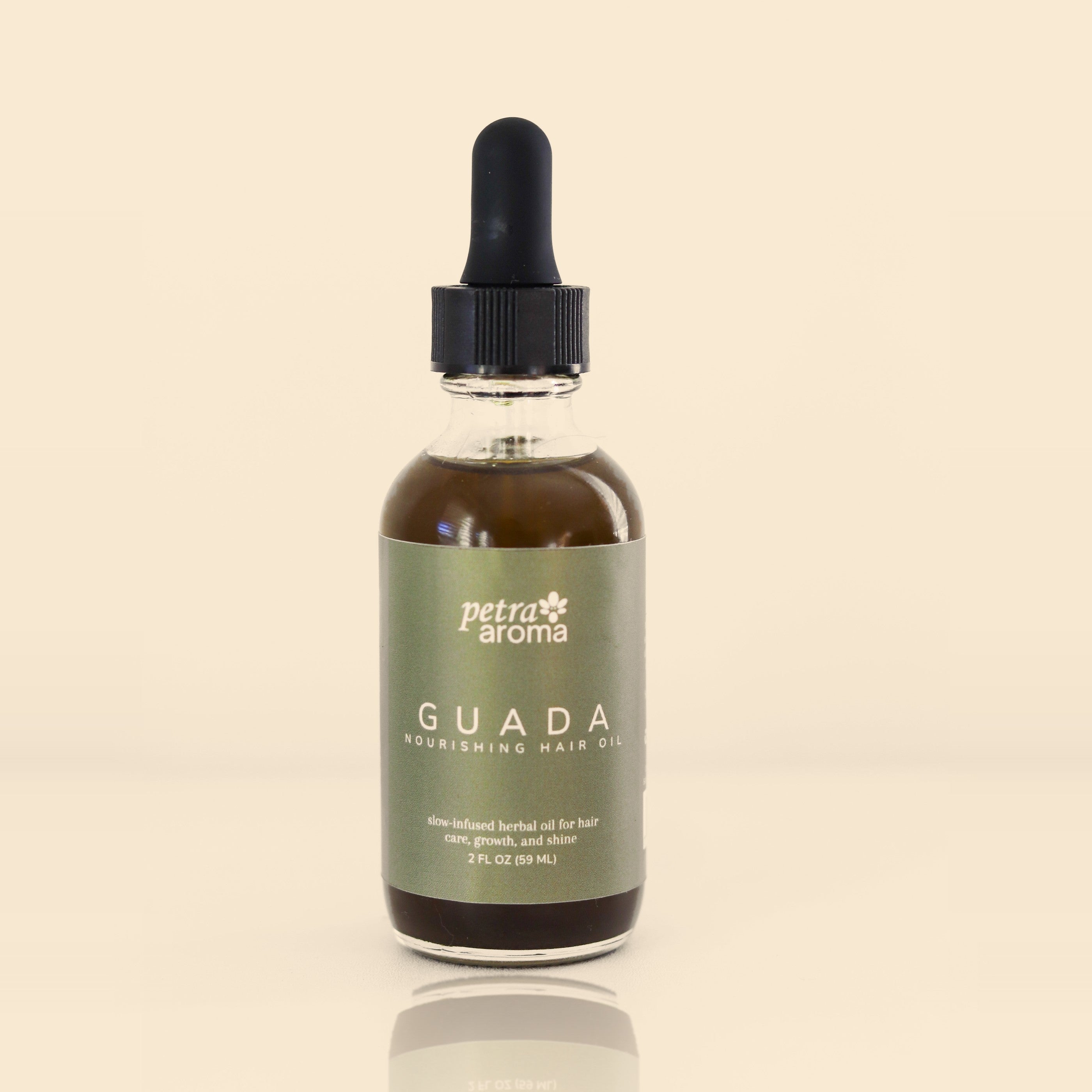
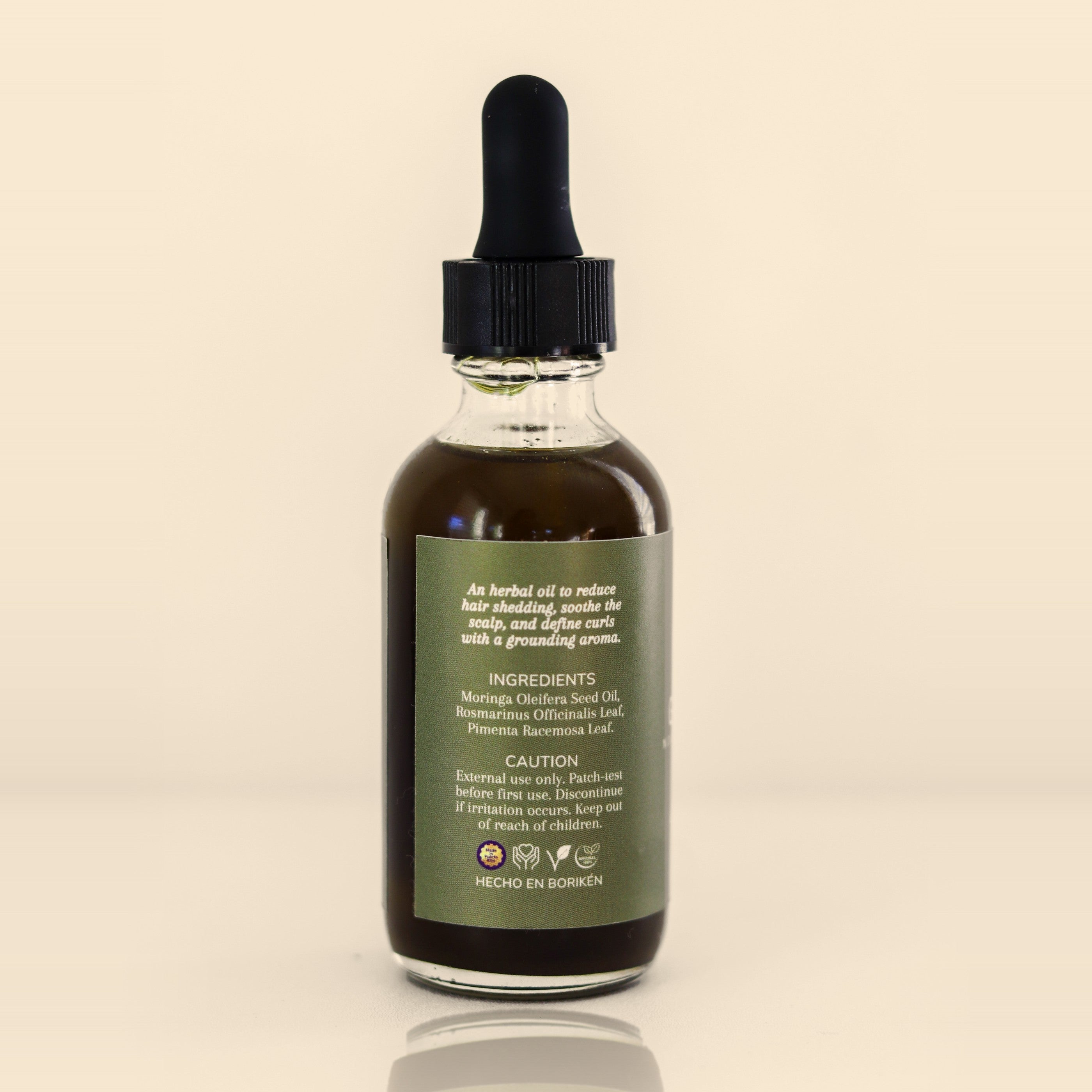
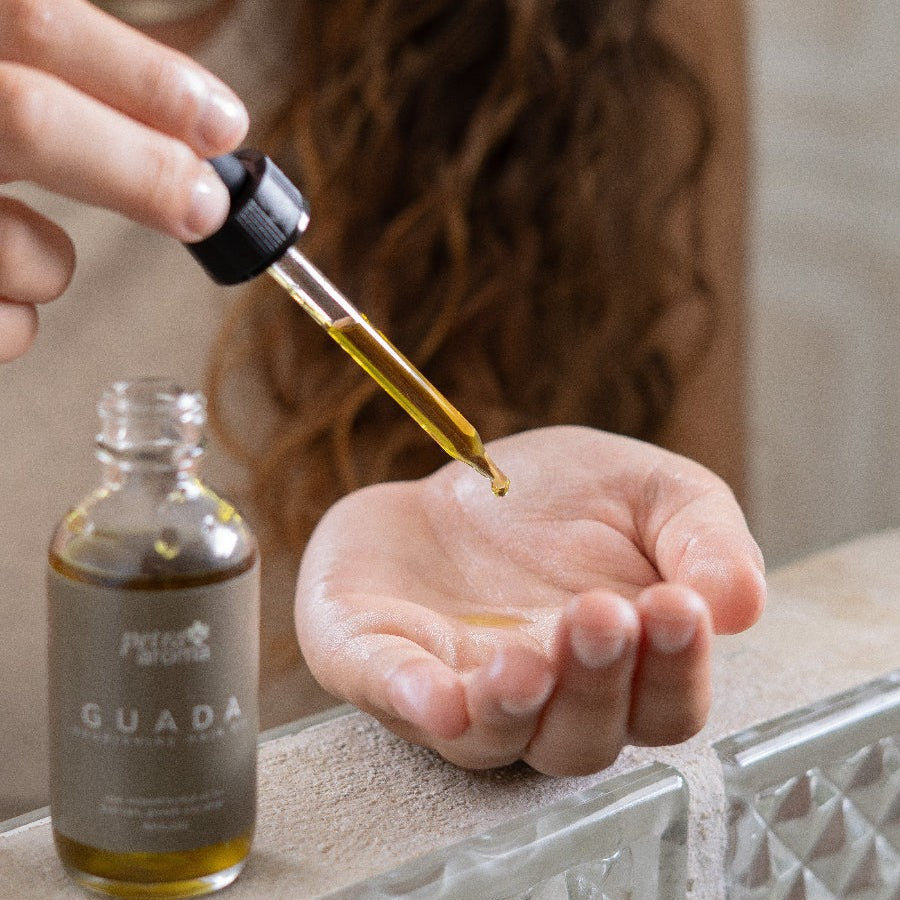
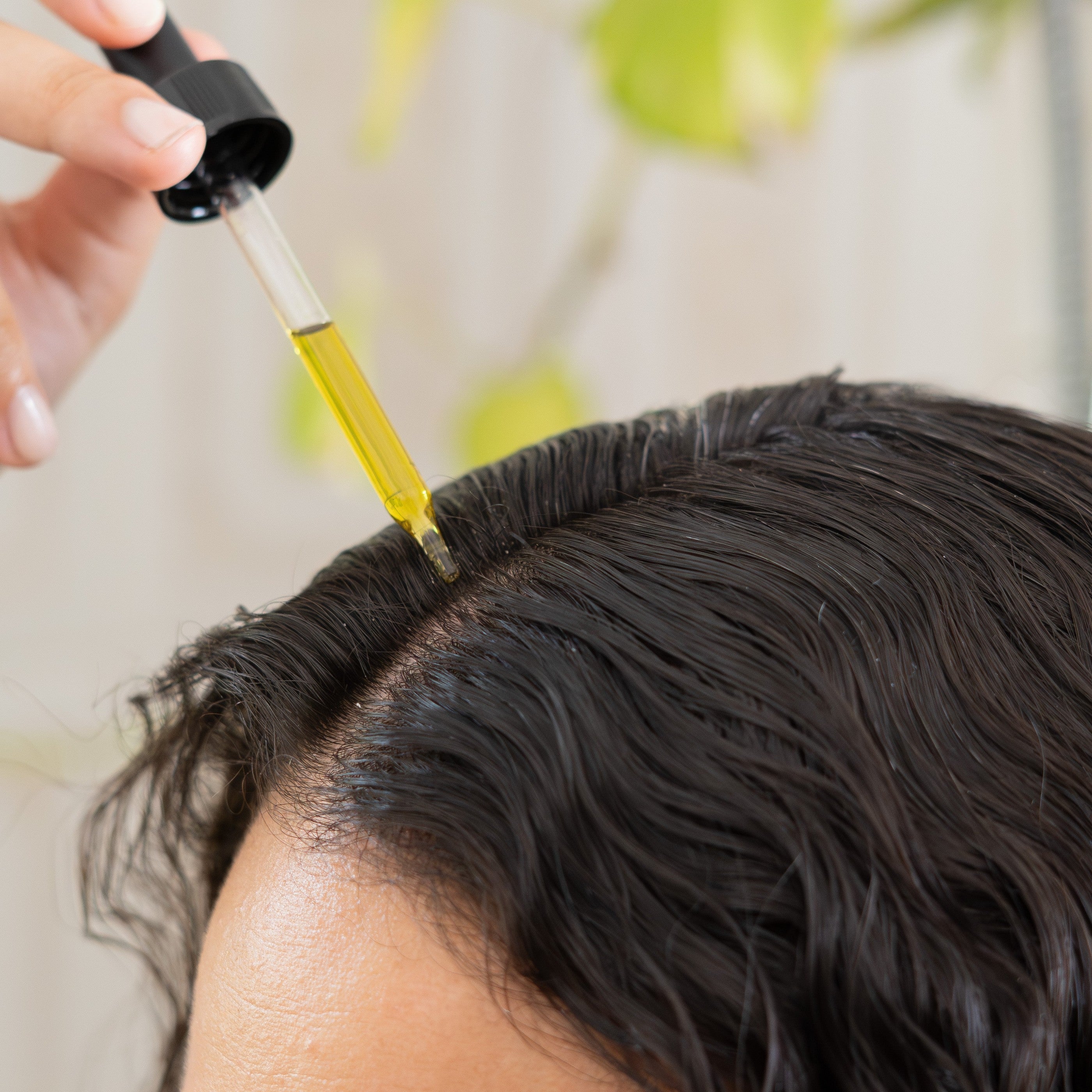
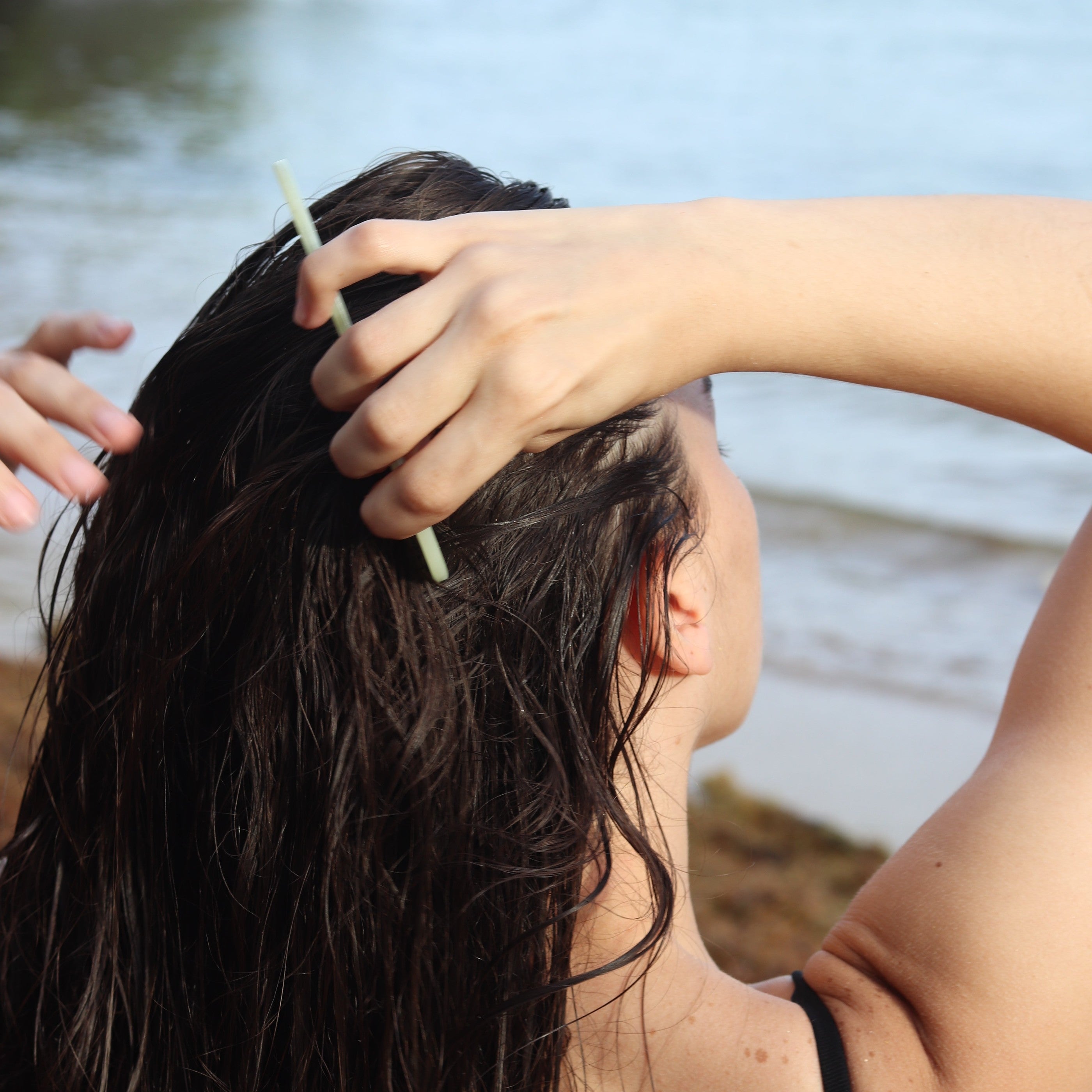
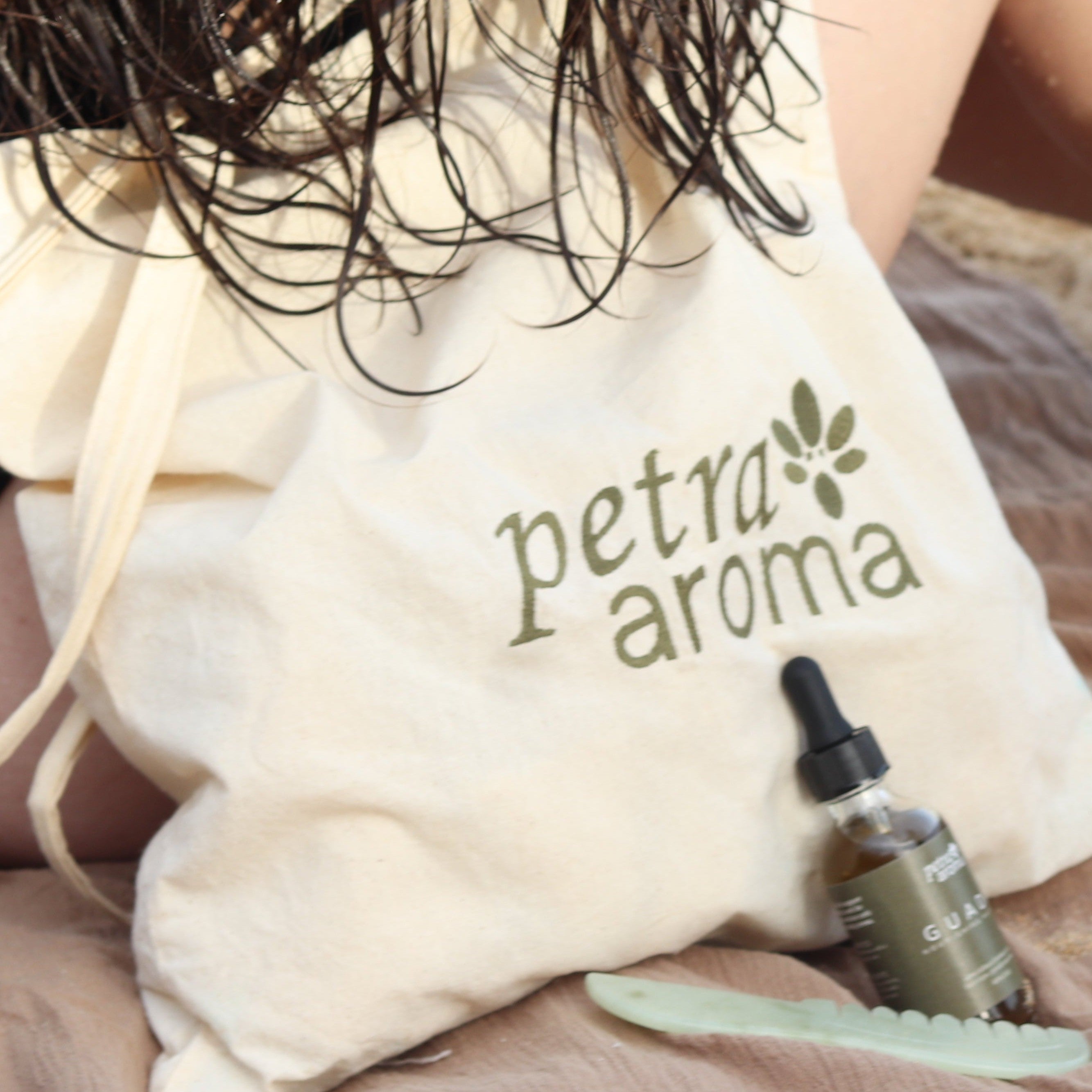
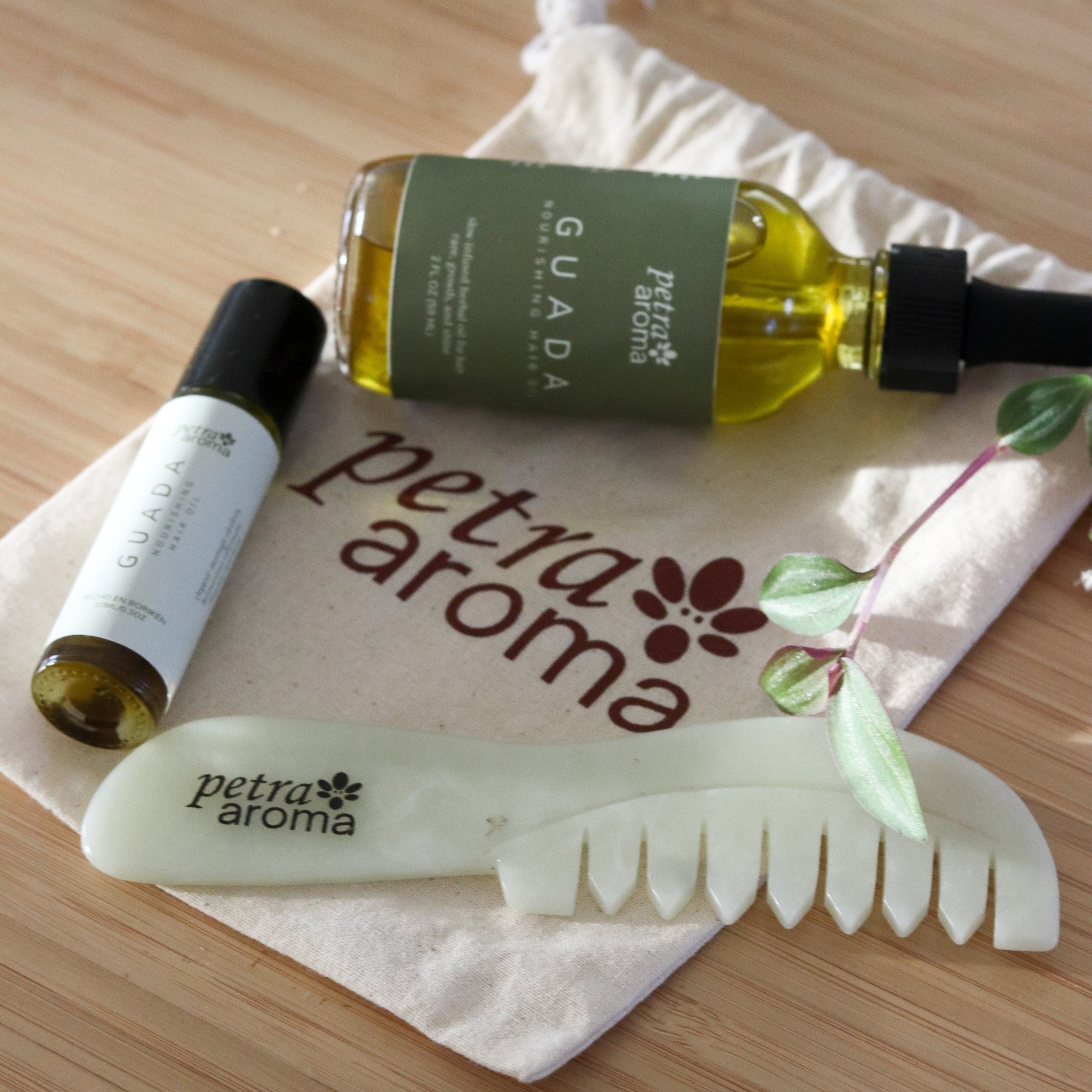
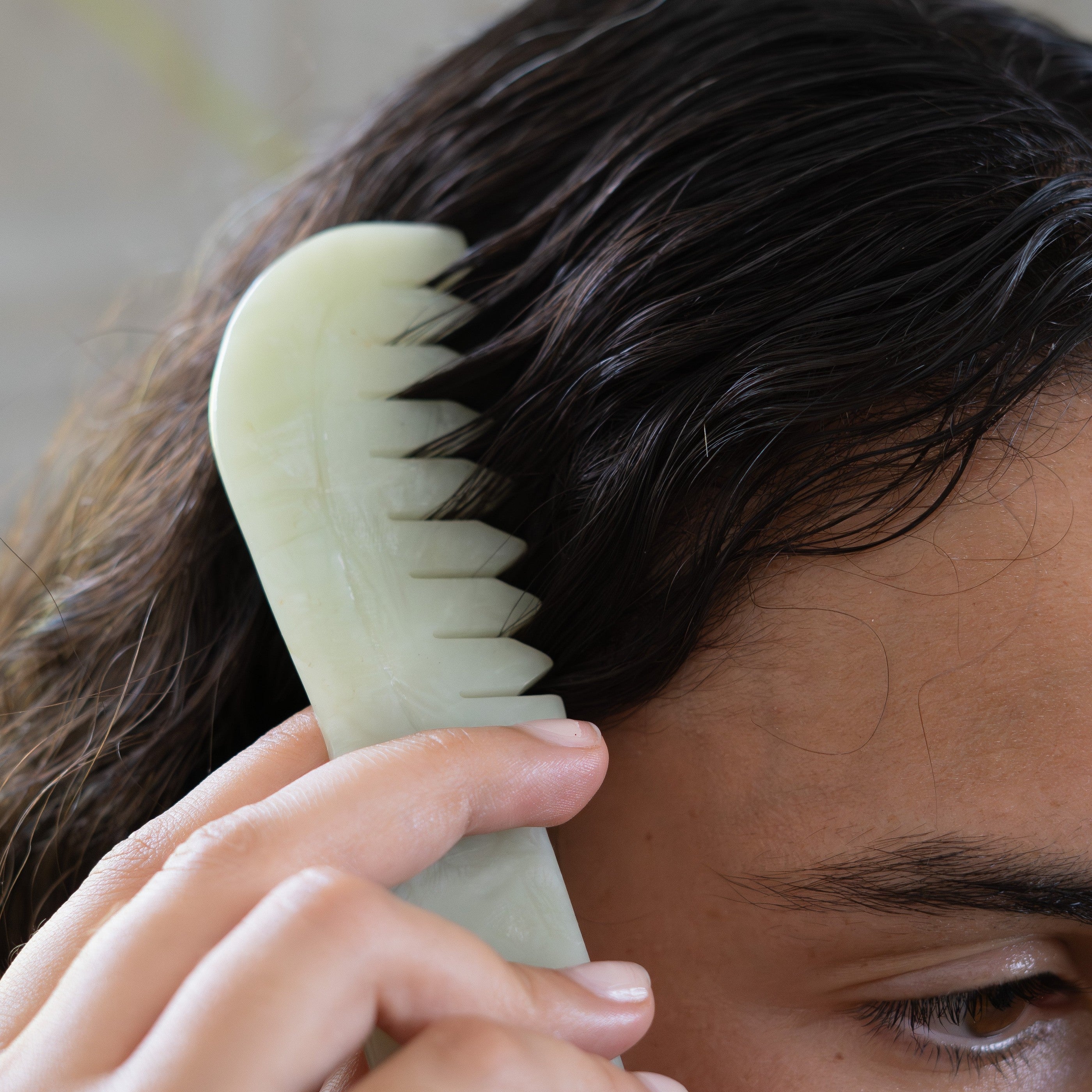
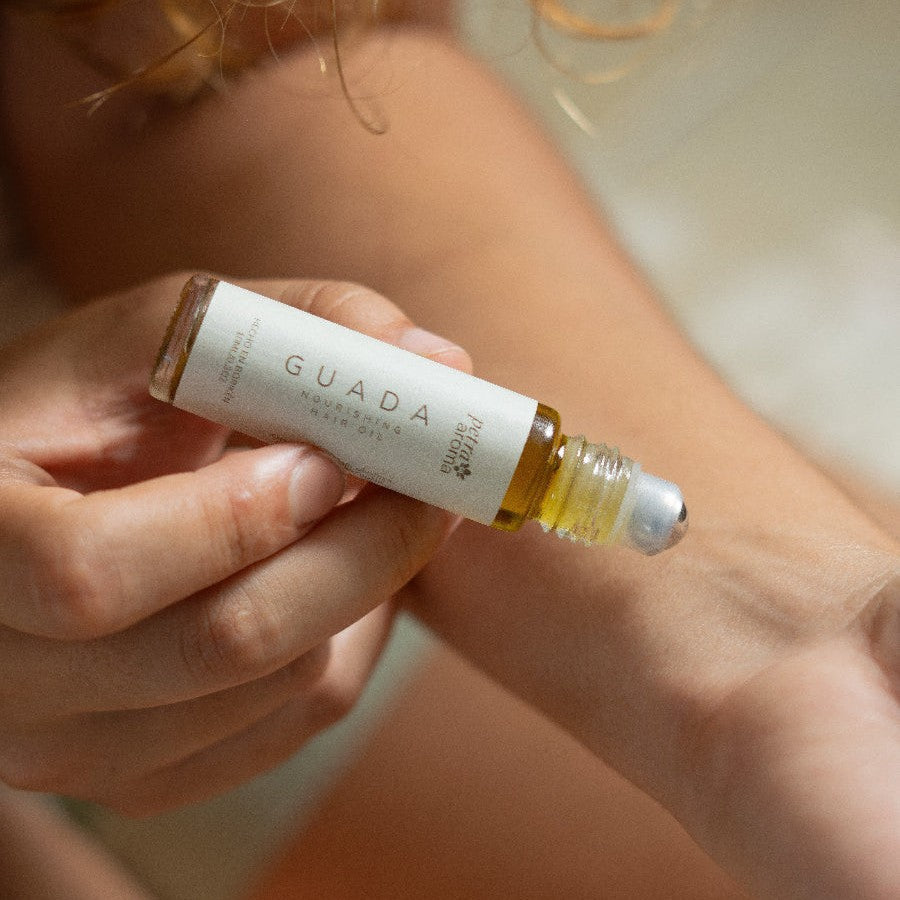
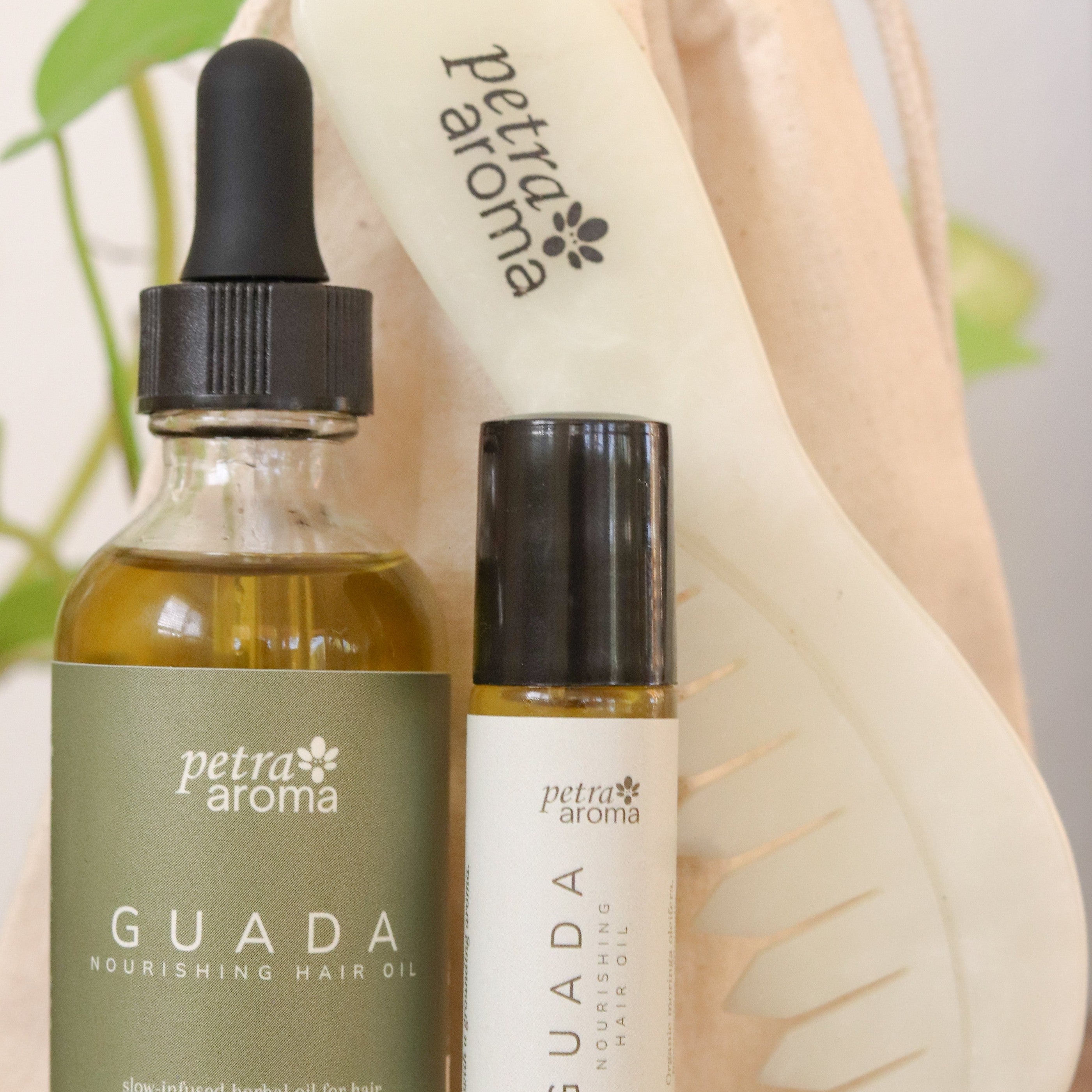
Guada means garden. A garden is tended slowly and with care, and that is how we like to think about caring for your hair and scalp. It also felt right for an oil made from plants grown right here in Puerto Rico.

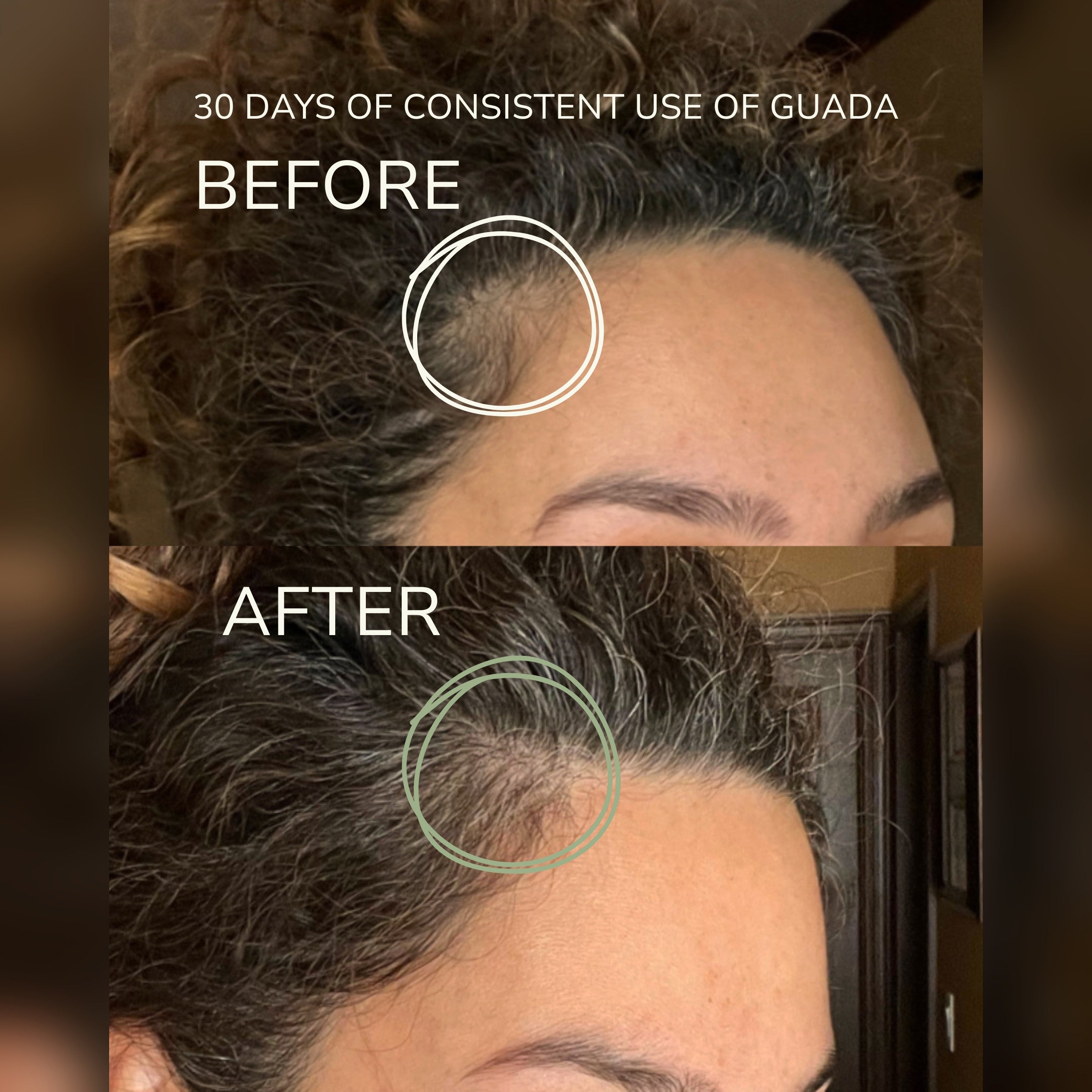
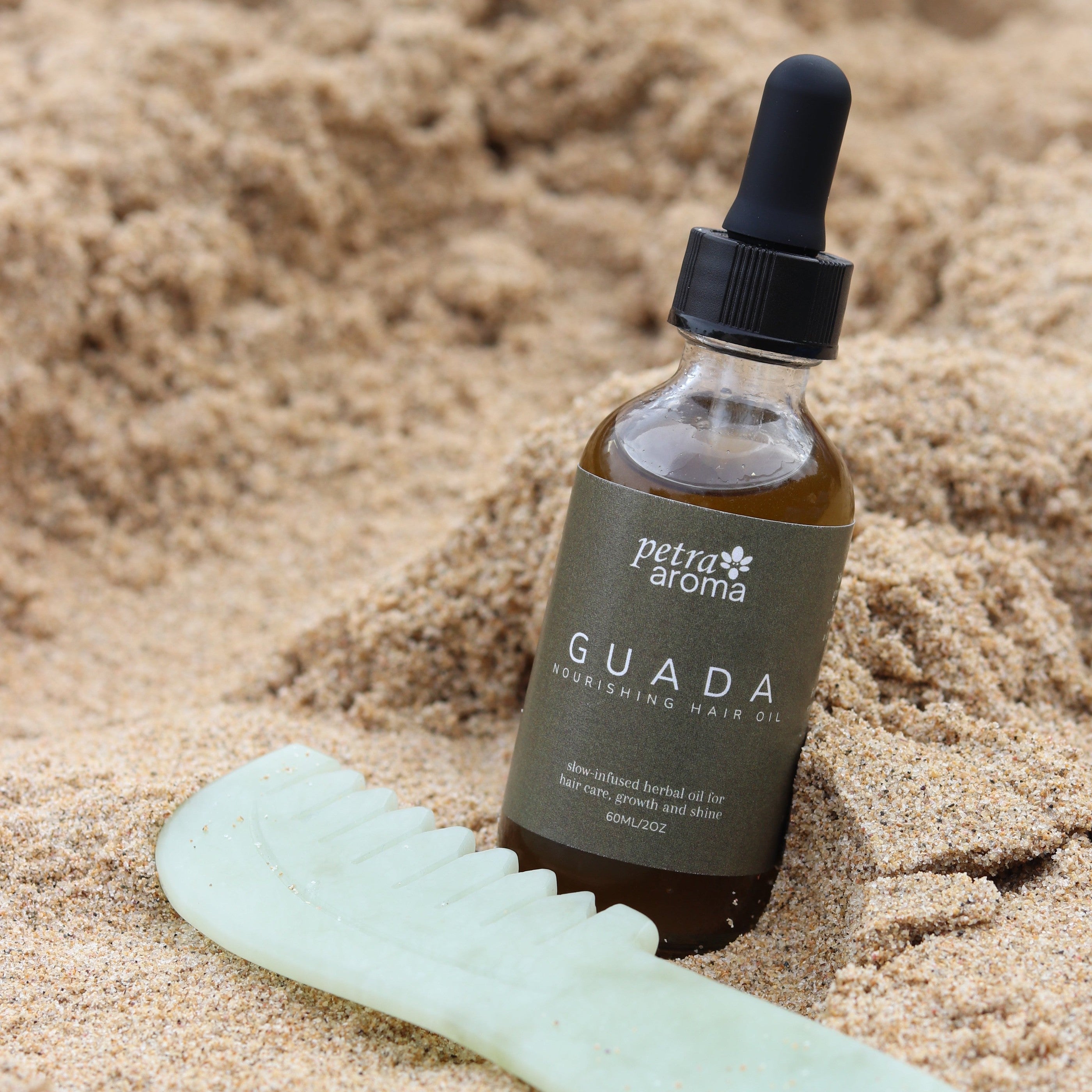
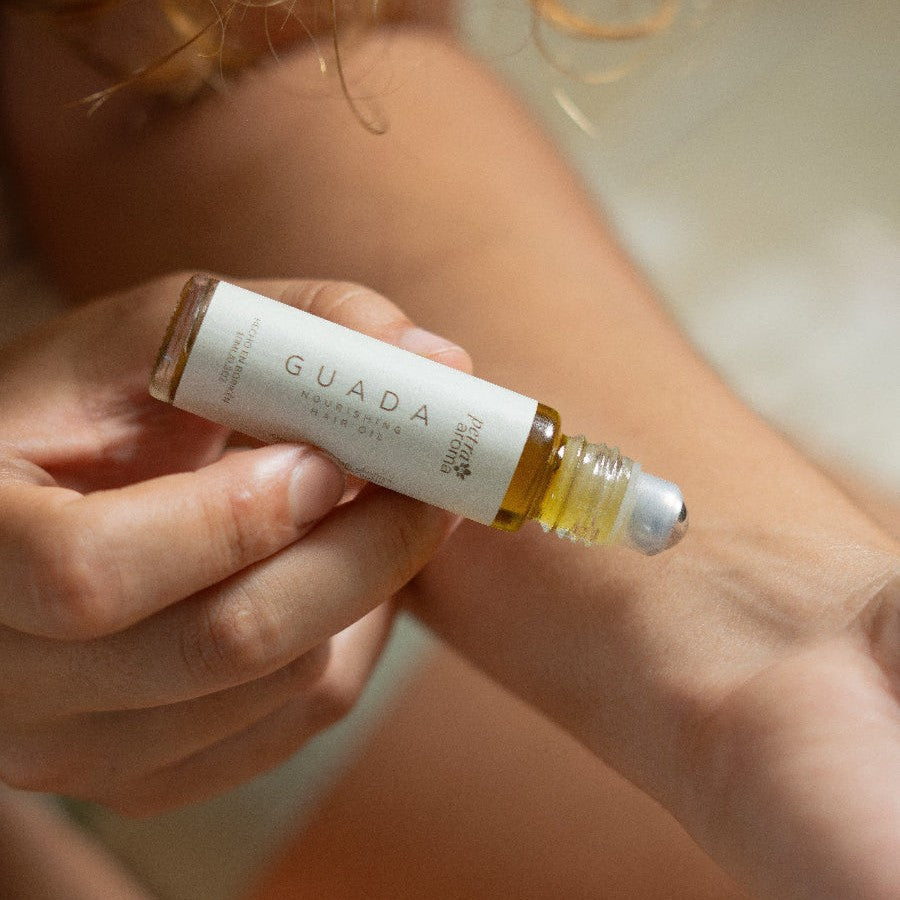
Guada was the first oil in our online shop: rosemary and malagueta steeped in moringa seed oil, for your hair and scalp.
Every name on our shelf points back to the same place: this island, its first language, and the plants that have been growing here the whole time. If you would like to know how Petra Aroma began, and about Abuela Petra from Ponce, who gave us our name, you can read our story.
And if you are still deciding which of these oils belongs with you, take the quiz and we will help you find it.
keep reading