rosemary and malagueta: the plants inside guada

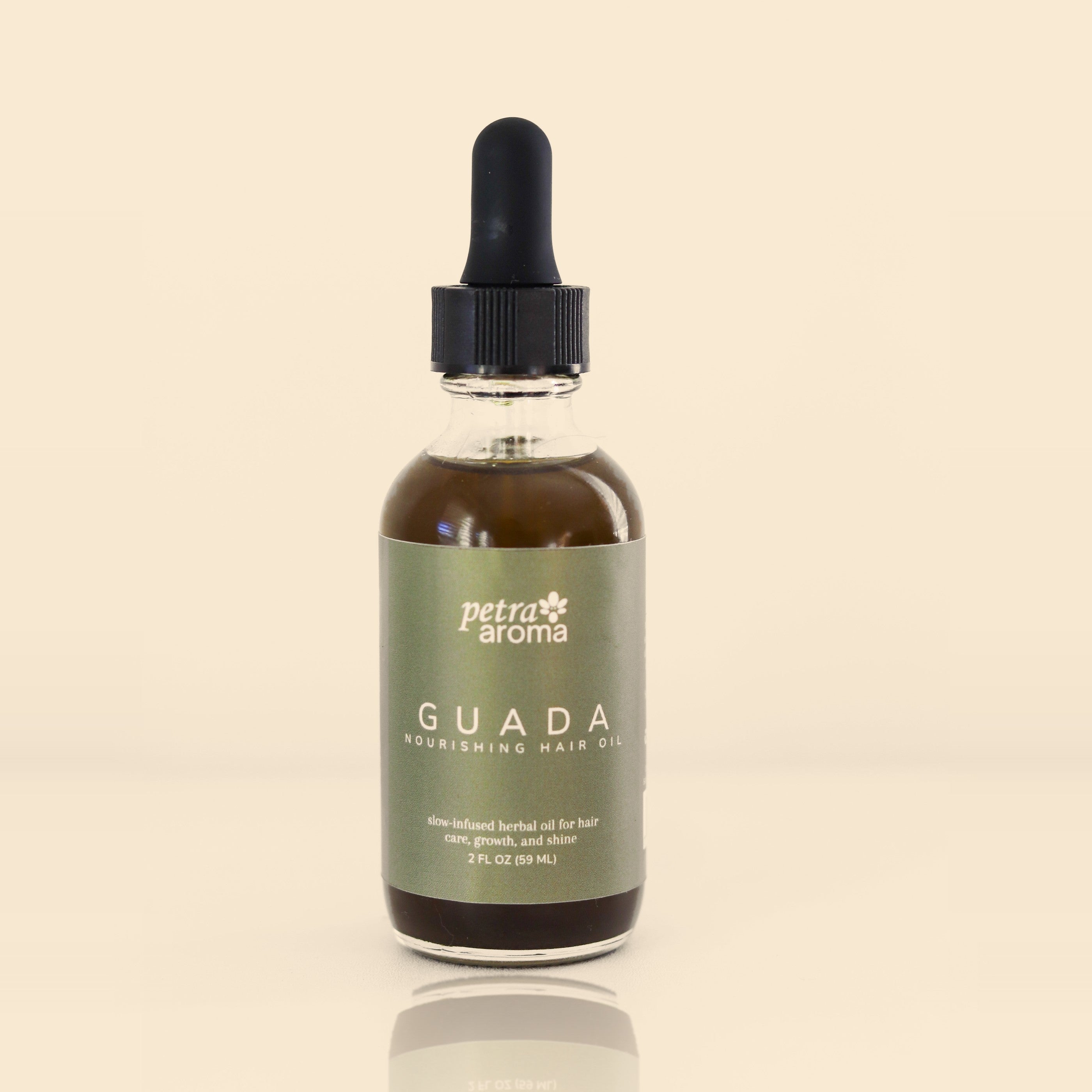
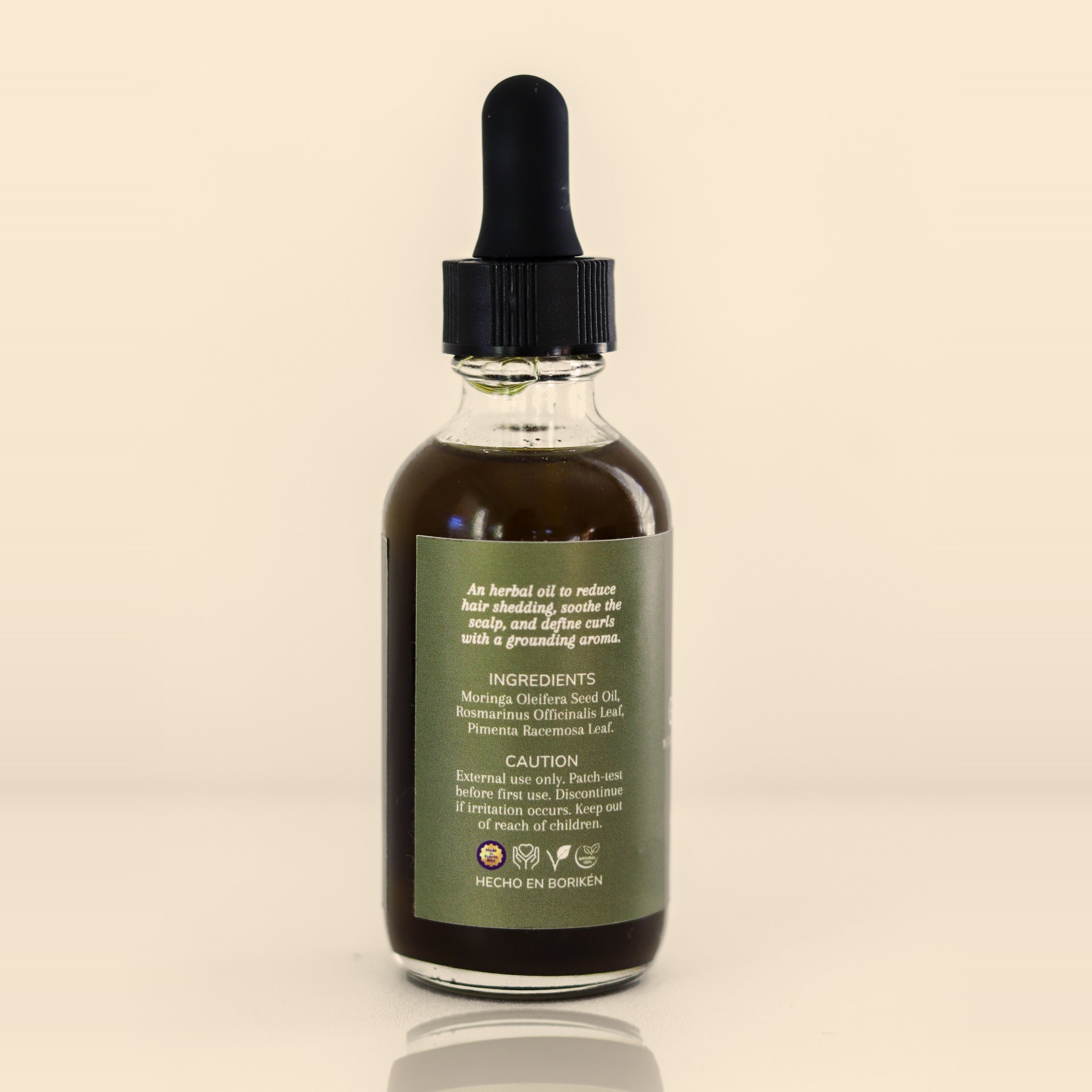
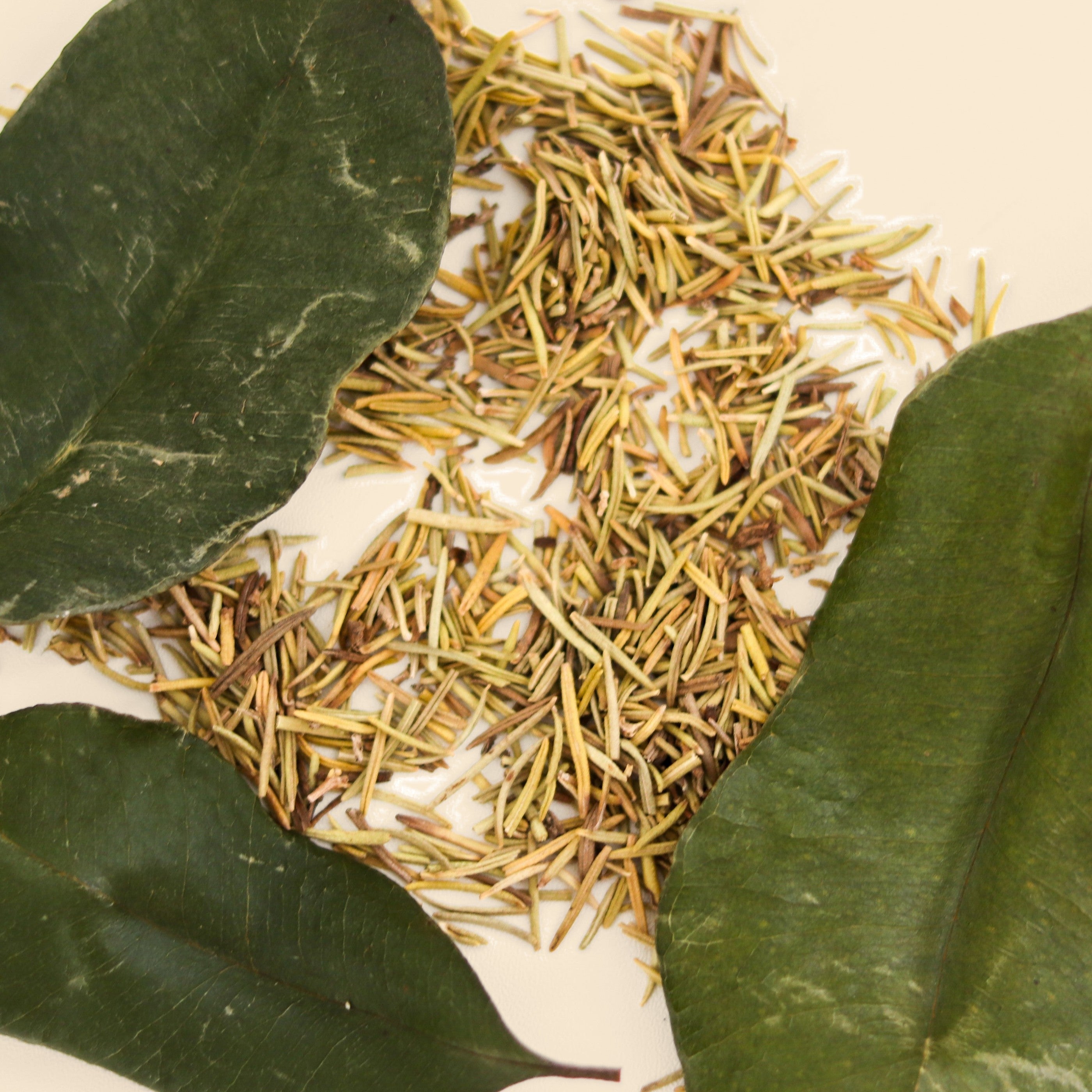
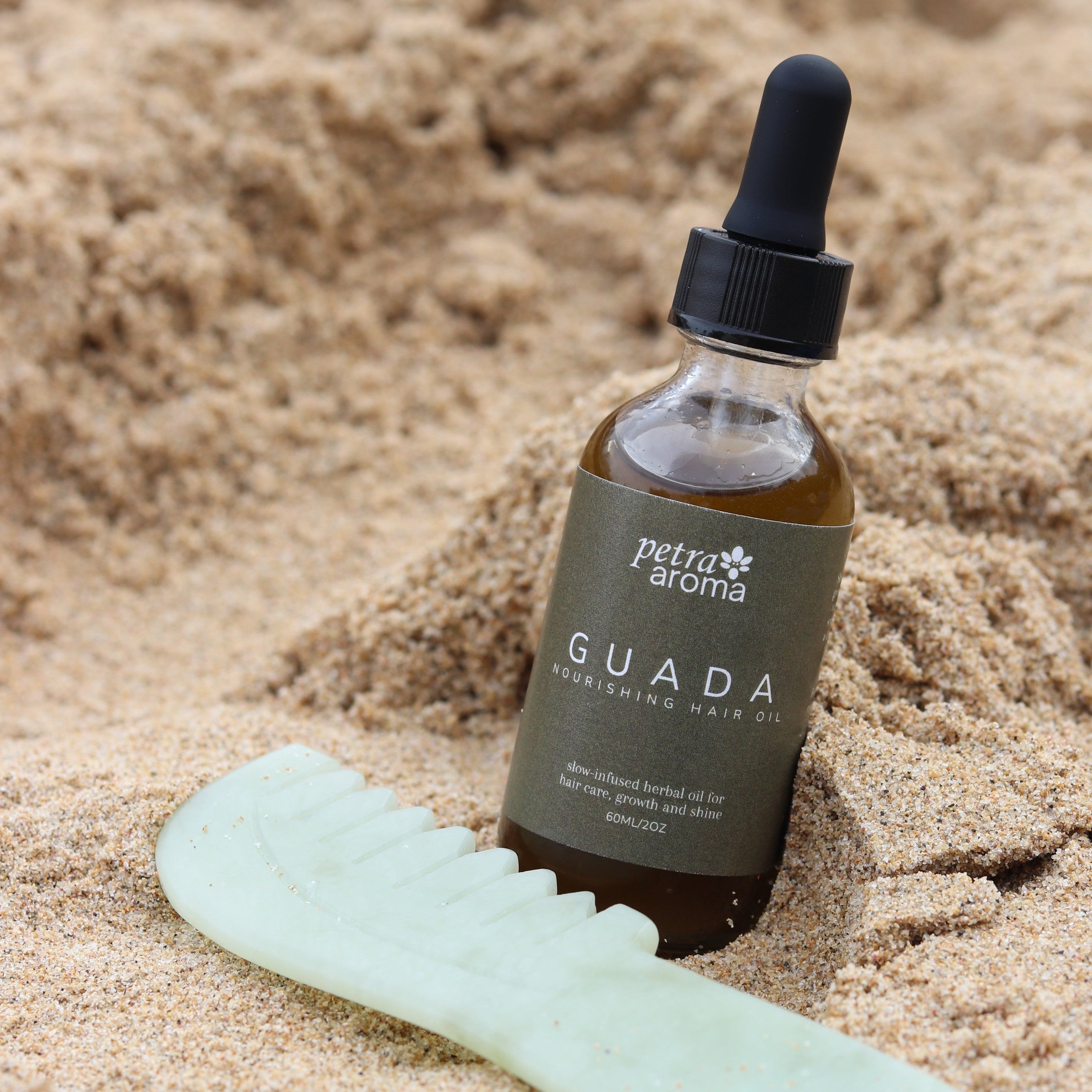
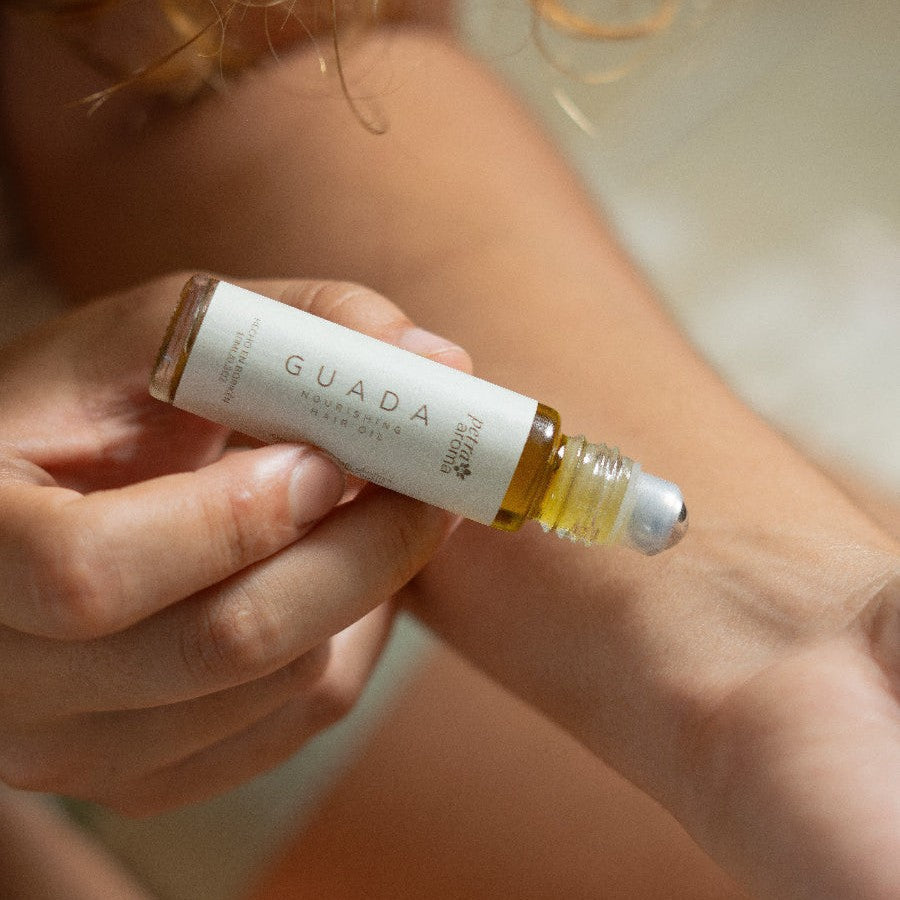
When we opened our online shop, Guada was the only product on it. It holds two plants: rosemary and malagueta, the leaf of the bay rum tree. If you grew up with a bottle of alcolado in the house, the warm, spicy aroma of Guada will feel familiar right away. Here is the story of both plants, why we put them together, and how we like to use Guada on hair and scalp.

malagueta, the bay rum tree
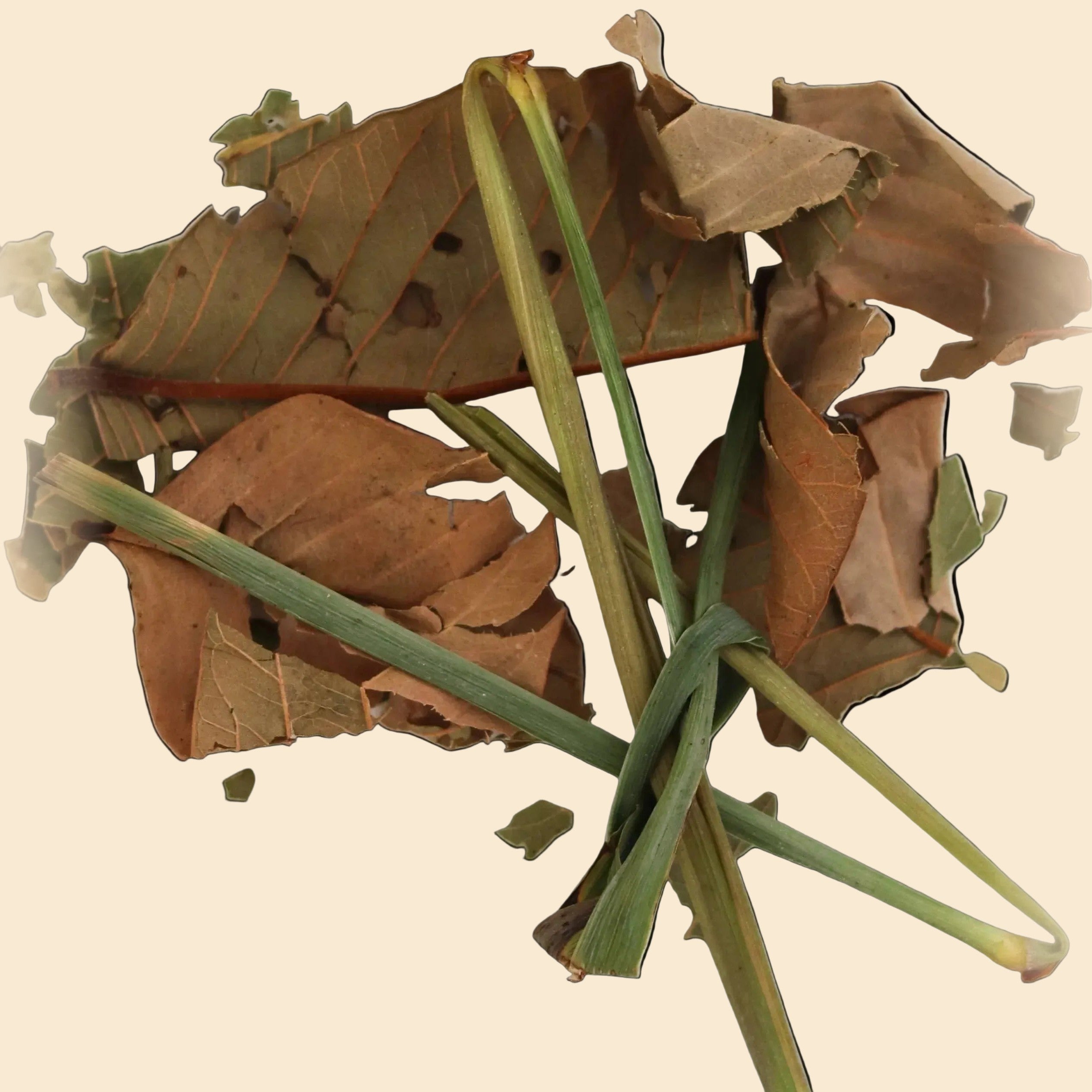
Malagueta is the name many of us know for Pimenta racemosa, the bay rum tree. It is native to the Caribbean and grows here in Puerto Rico, with glossy leaves that release a warm, clove-like aroma the moment you crush one in your hand.
Those leaves are where bay rum comes from. For generations across the Caribbean, the leaves were distilled with rum to make a fragrant tonic.
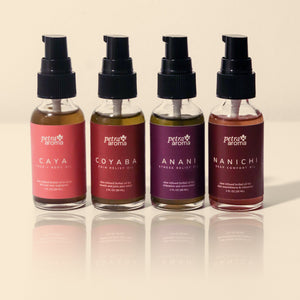
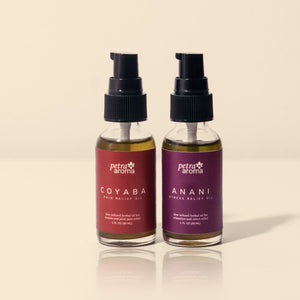
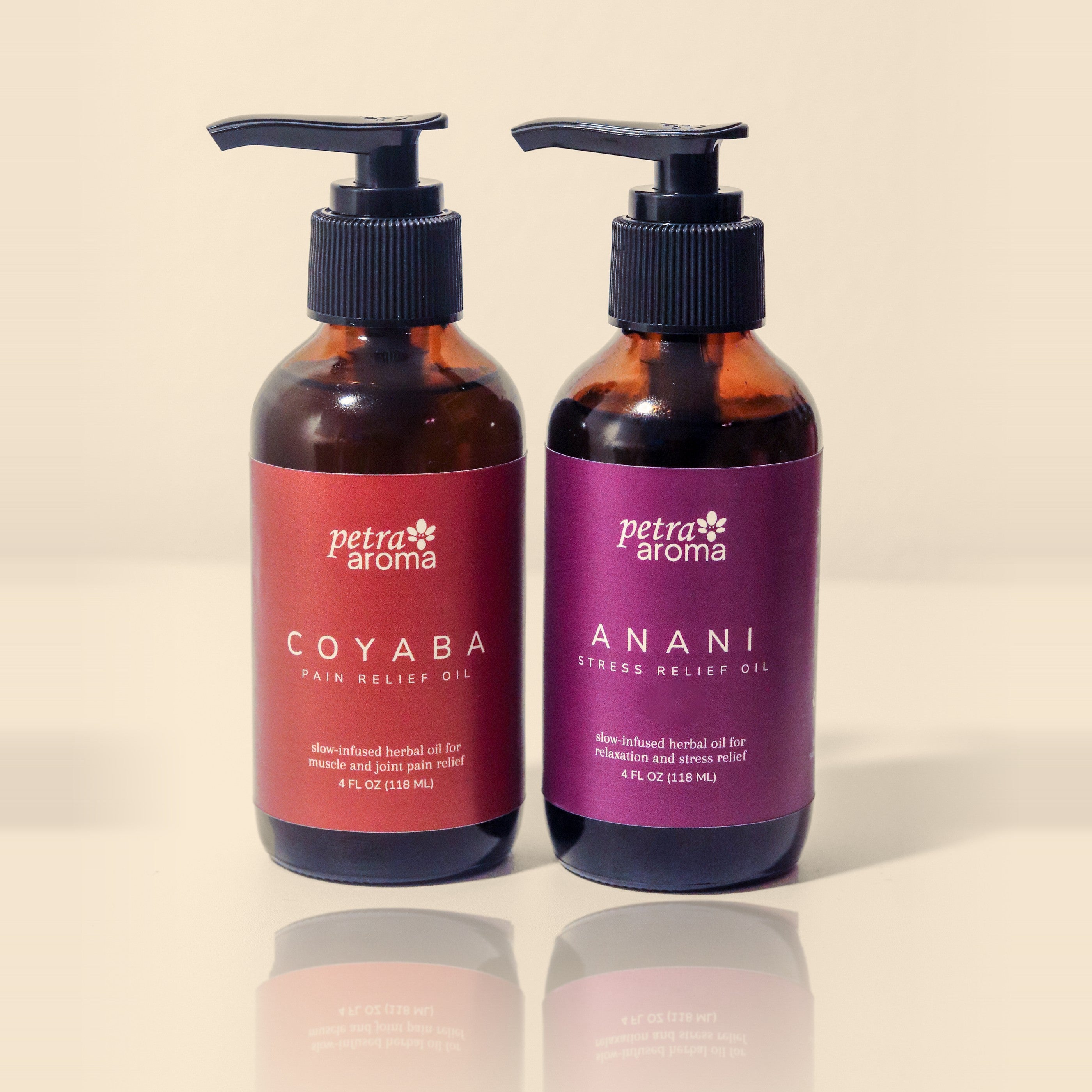
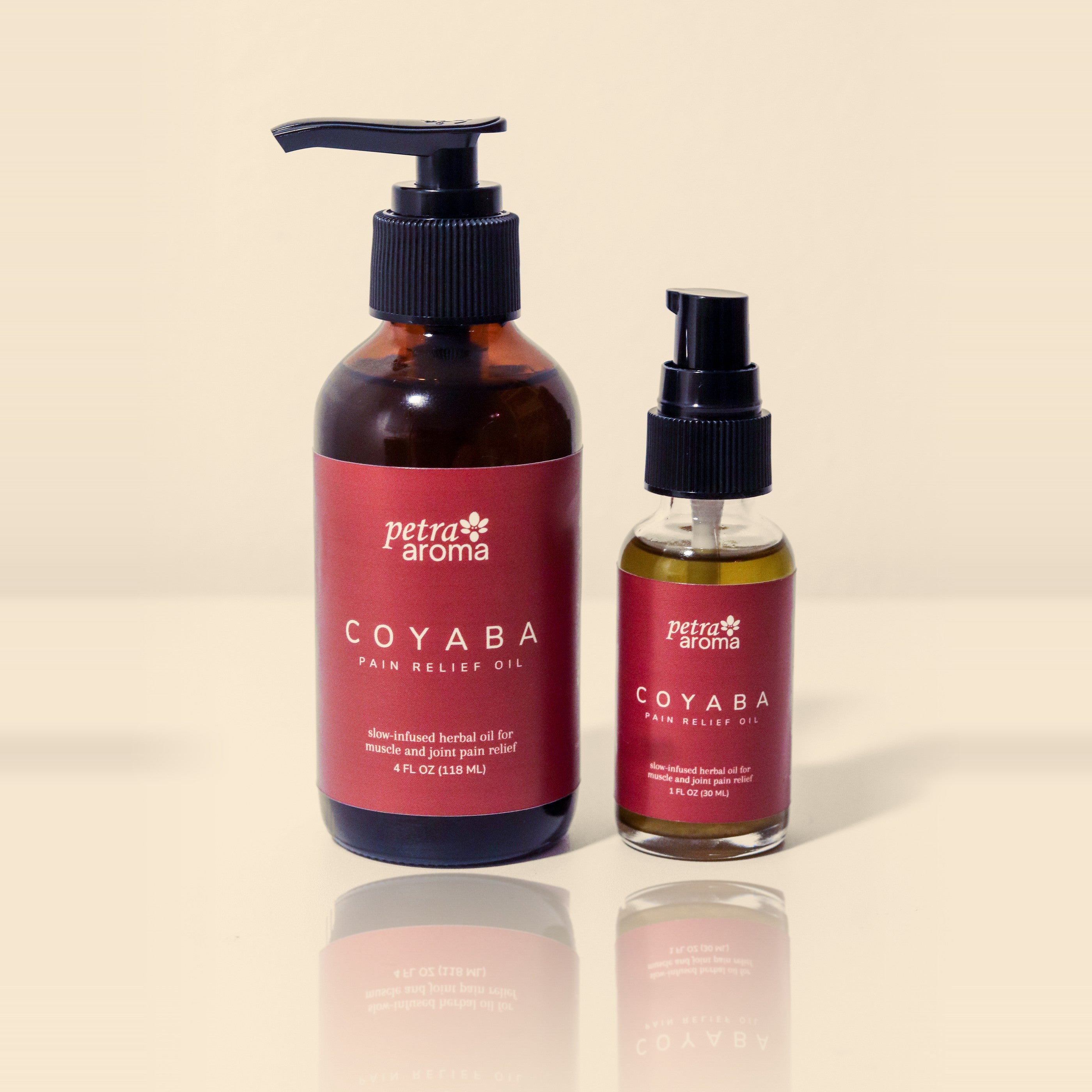
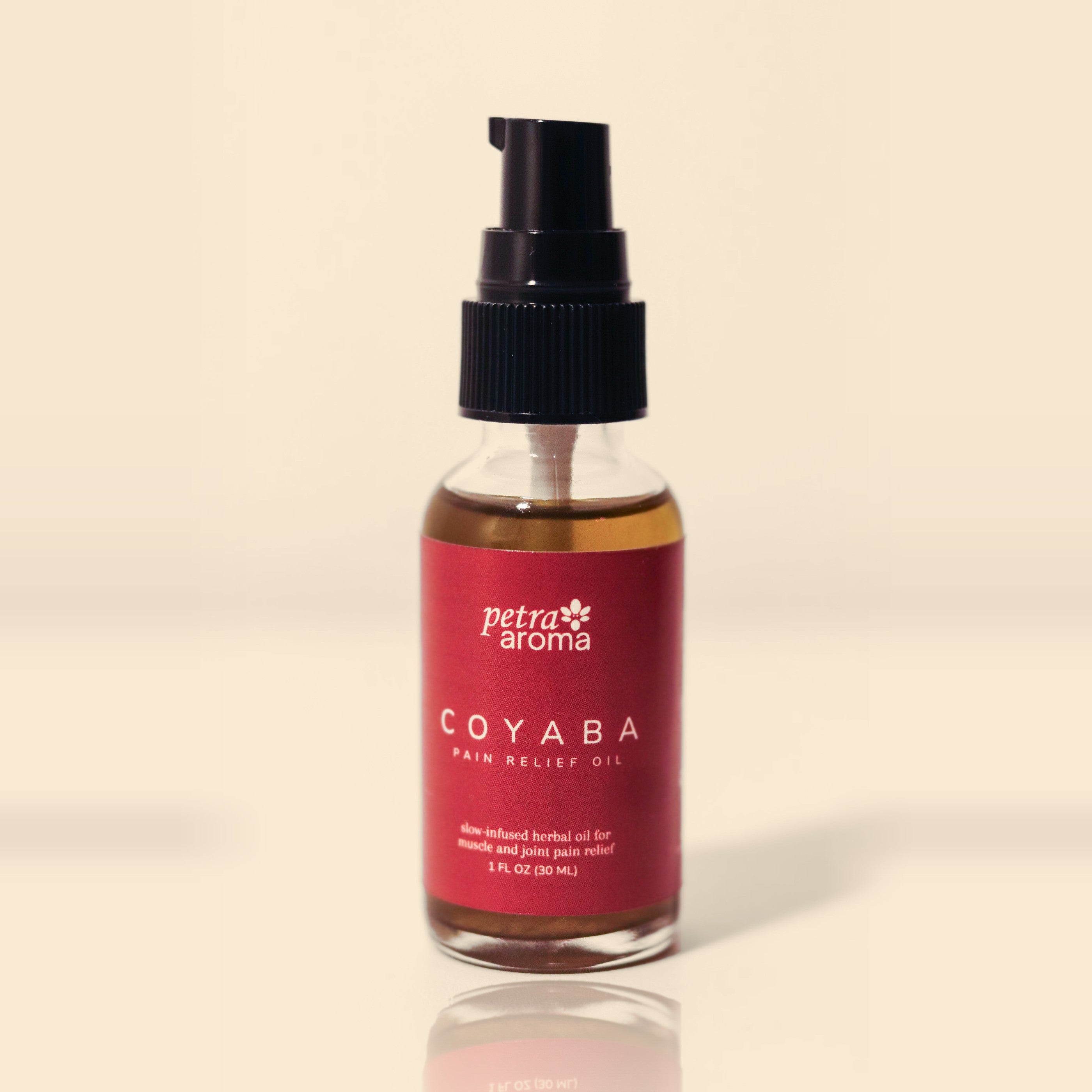
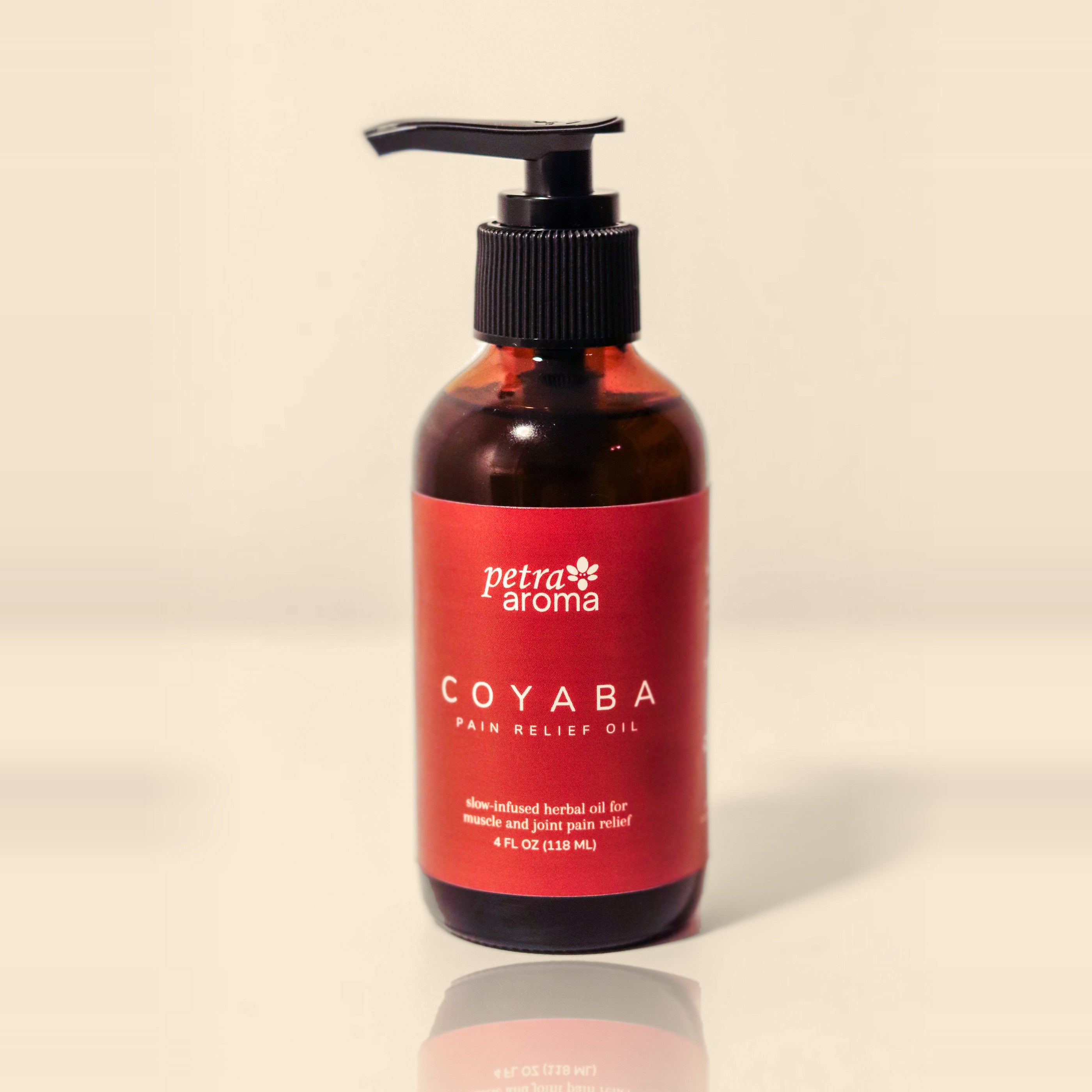
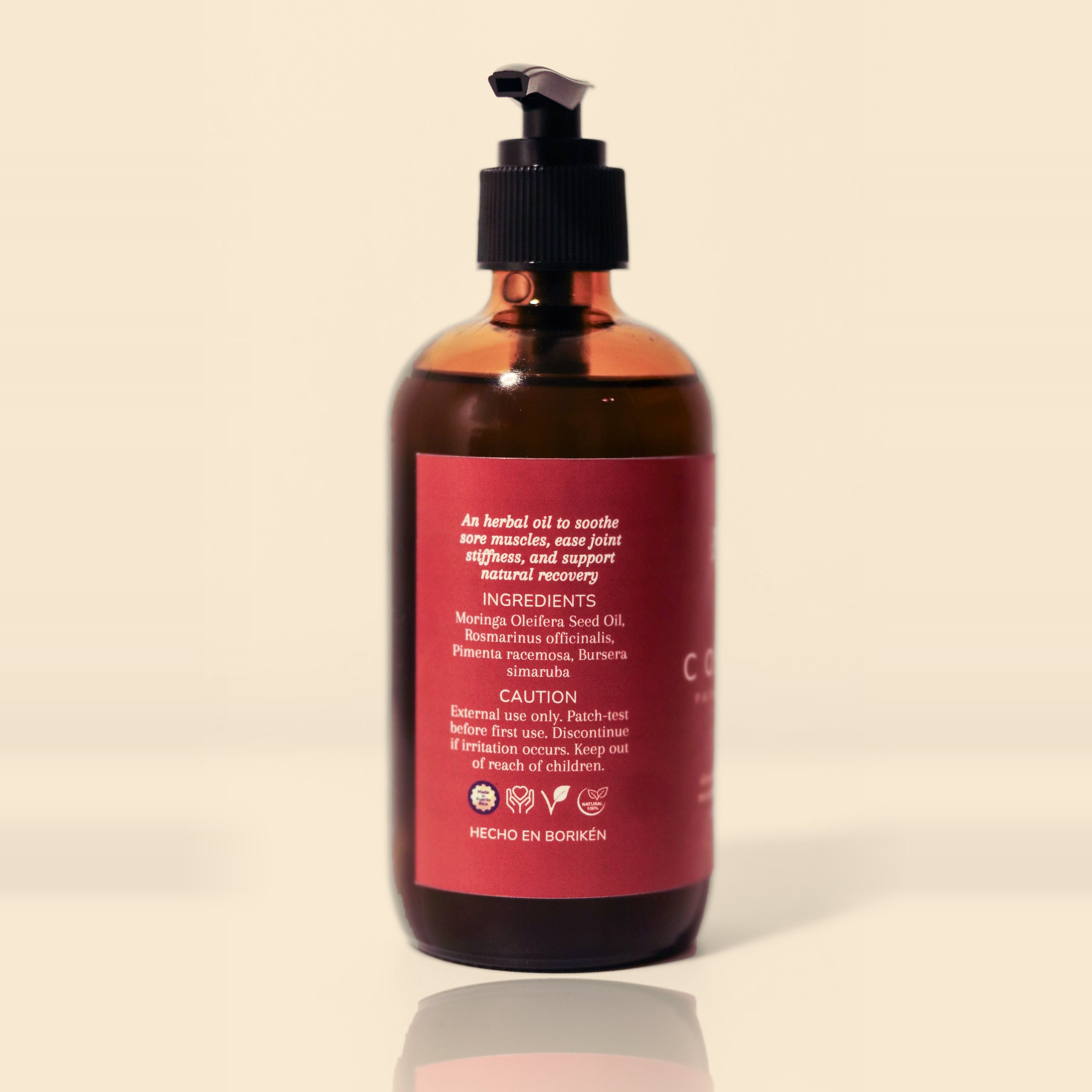
Malagueta is also one of the three plants in Coyaba, our pain relief oil, where its long use across the region for tired muscles and aching bones is the reason it is there.

rosemary for scalp care
Rosemary is the second plant, and it brings a fresh, green, herbal aroma that lifts the warmth of the malagueta. It comes from the Mediterranean, and it has been part of hair care traditions in many parts of the world for centuries.
You have probably seen rosemary all over social media lately. We chose it for its long history in hair care, for the way its aroma pairs with malagueta, and for how good it feels massaged slowly into the scalp at the end of the day.

why these two plants belong together
Malagueta is warm and spicy. Rosemary is fresh and green. Together they make an aroma that is grounding and bright at the same time, and one that people tend to remember. They also come from two very different places: one from the Caribbean, one from the Mediterranean, each with its own long history in hair care, meeting in one bottle made by hand in Puerto Rico. We love that about Guada.
is guada a bay rum hair oil?
In a way, yes: Guada carries the plant behind bay rum. The difference is in how it is made. Guada is malagueta and rosemary steeped slowly in organic seed oil, the way you steep tea, until the oil holds the color and aroma of both plants.
That makes Guada a herbal hair oil with zero essential oils. An essential oil is the plant concentrated many times over, and that concentration is what can sting or irritate, especially on a scalp. Ours is gentle enough to use every day, and the warm, spicy aroma you notice comes from the plants themselves.
Moringa seed oil is the base. It has a light feel, so curls stay soft and moisturized without feeling heavy, and it carries both plants evenly through your hair. We use the same organic moringa seed oil in every oil we make, and in Guada it lets the oil spread easily from root to tip.
how to use guada
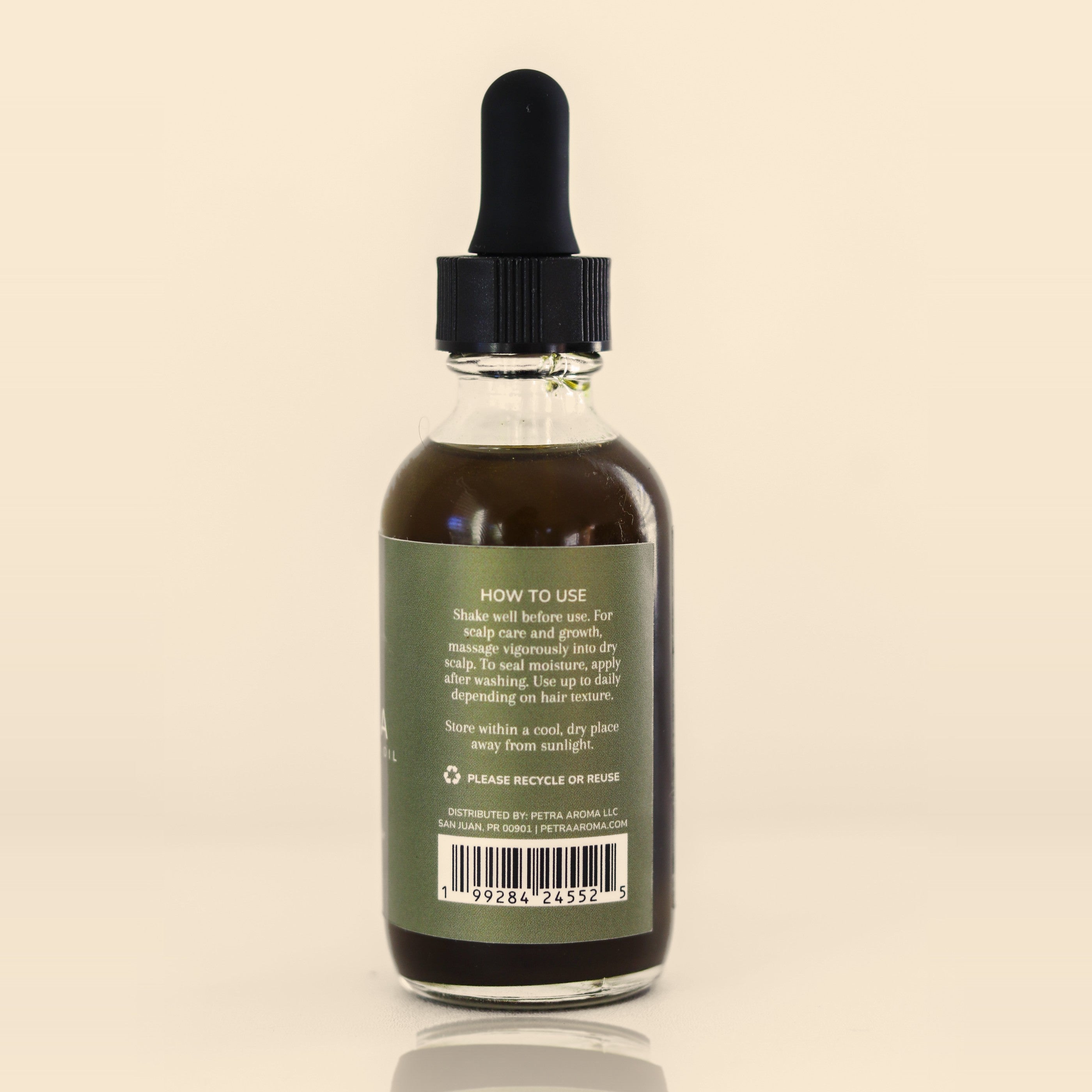
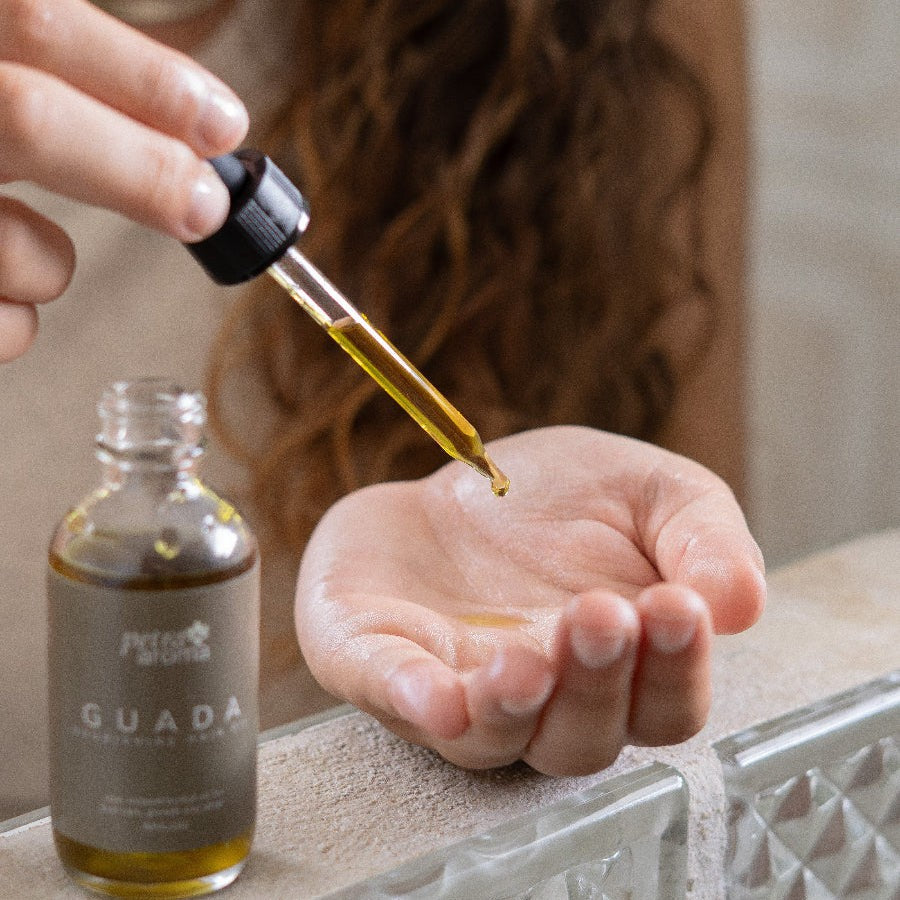
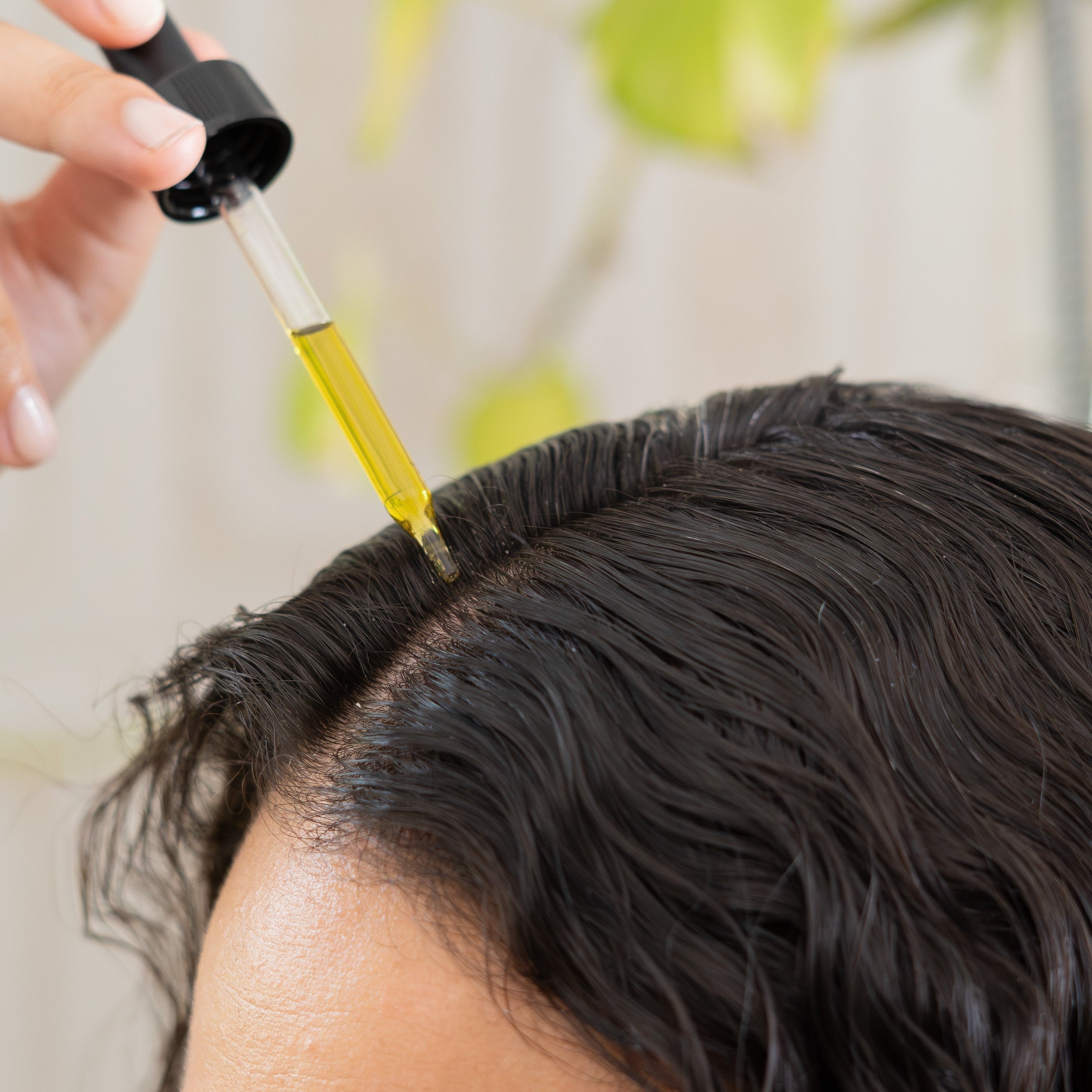
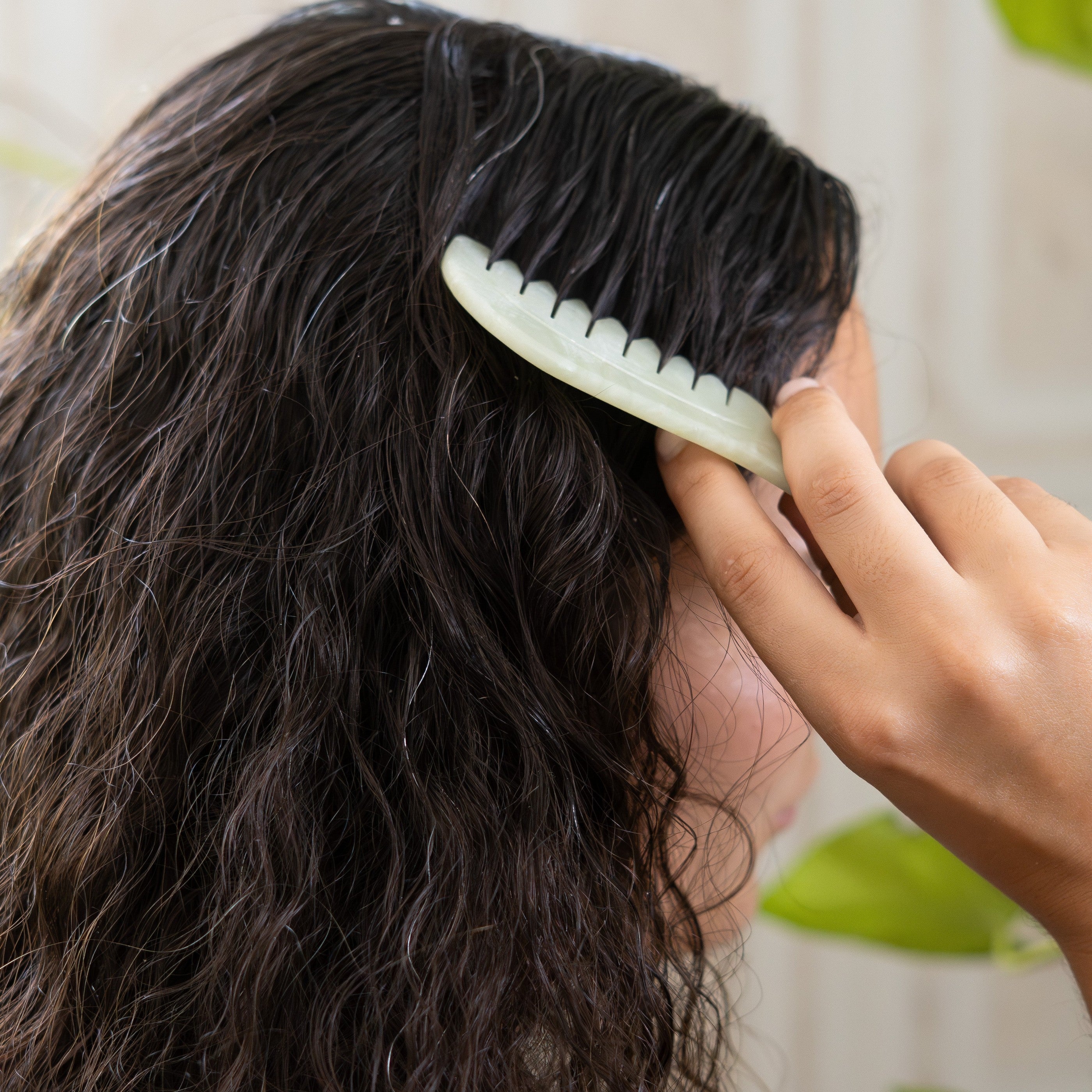
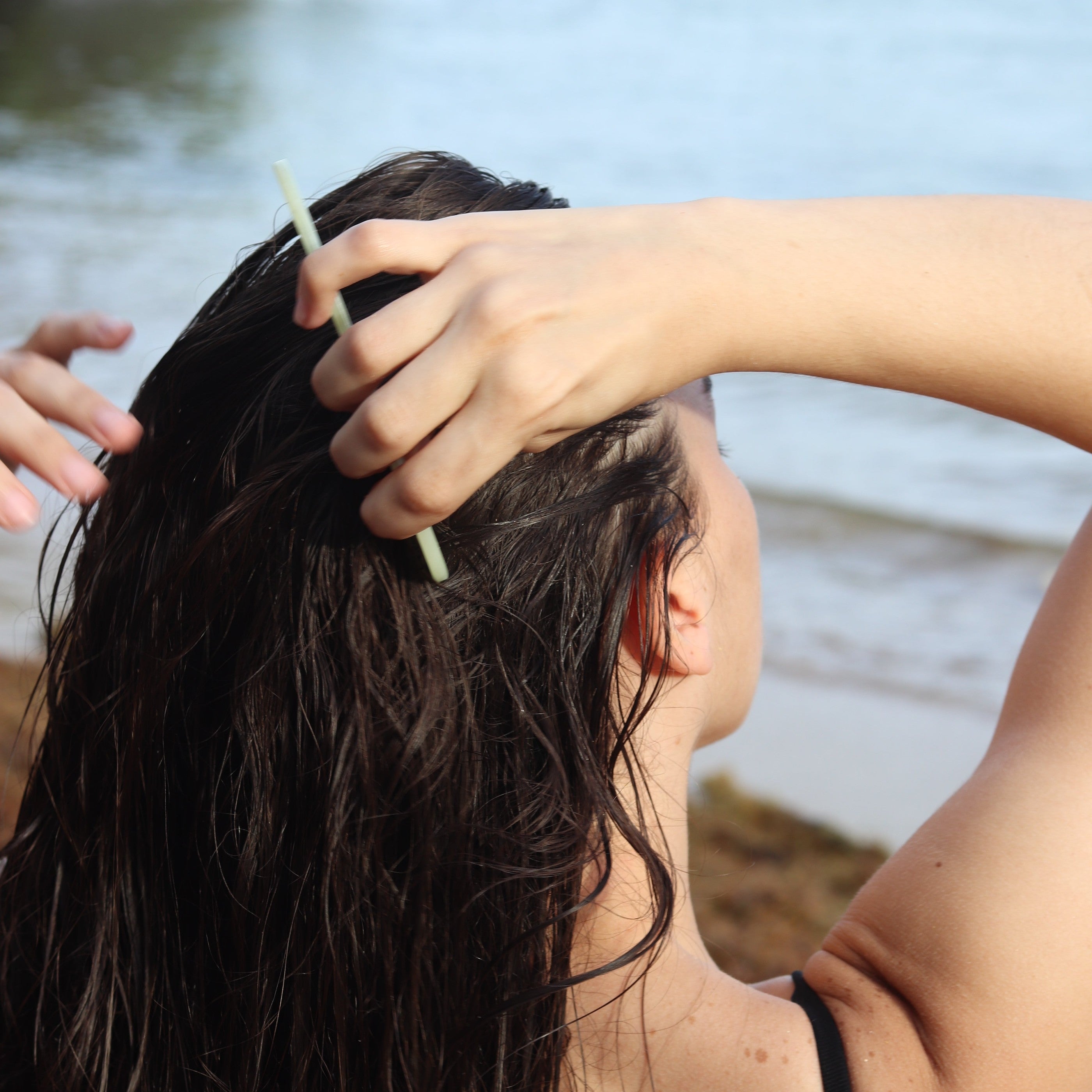
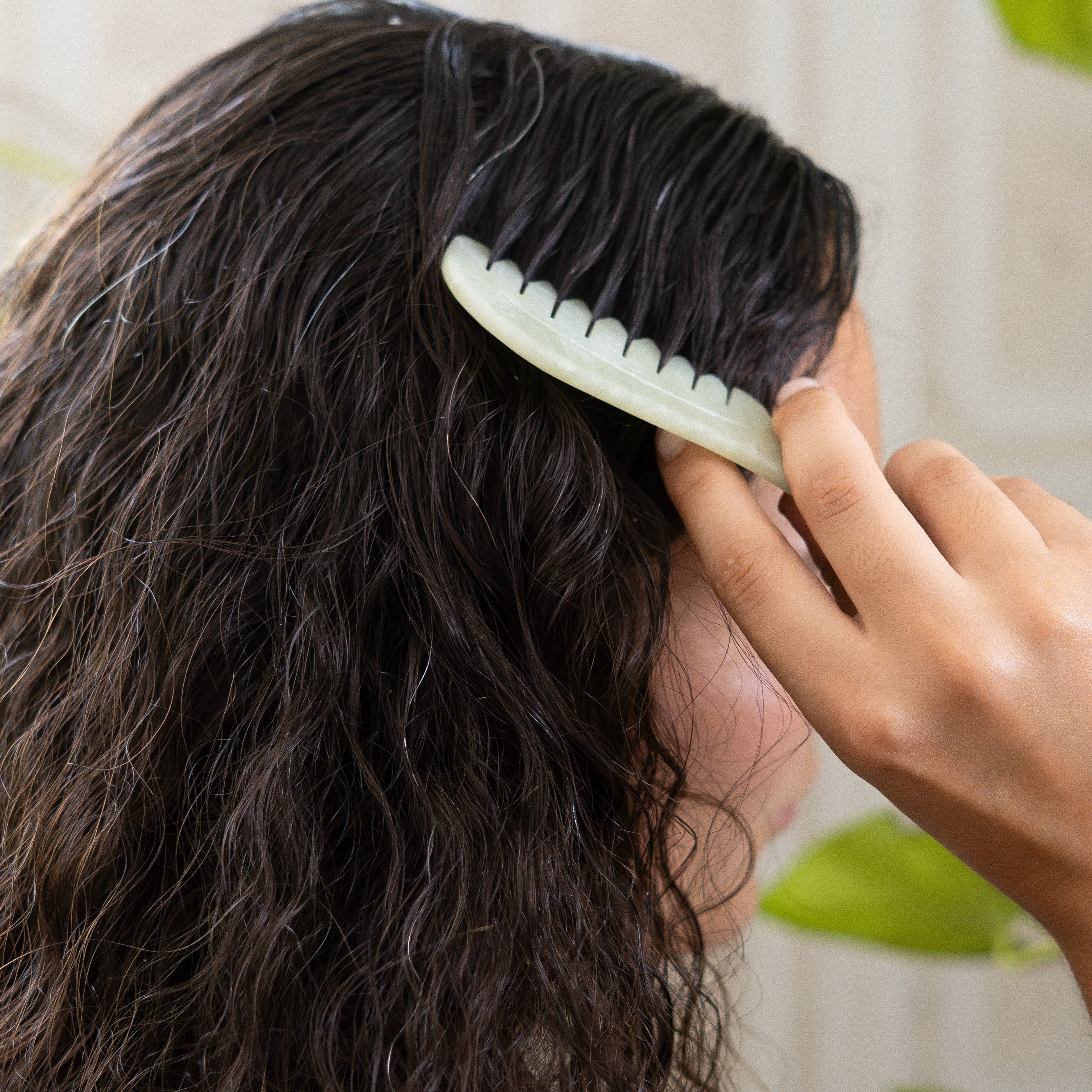
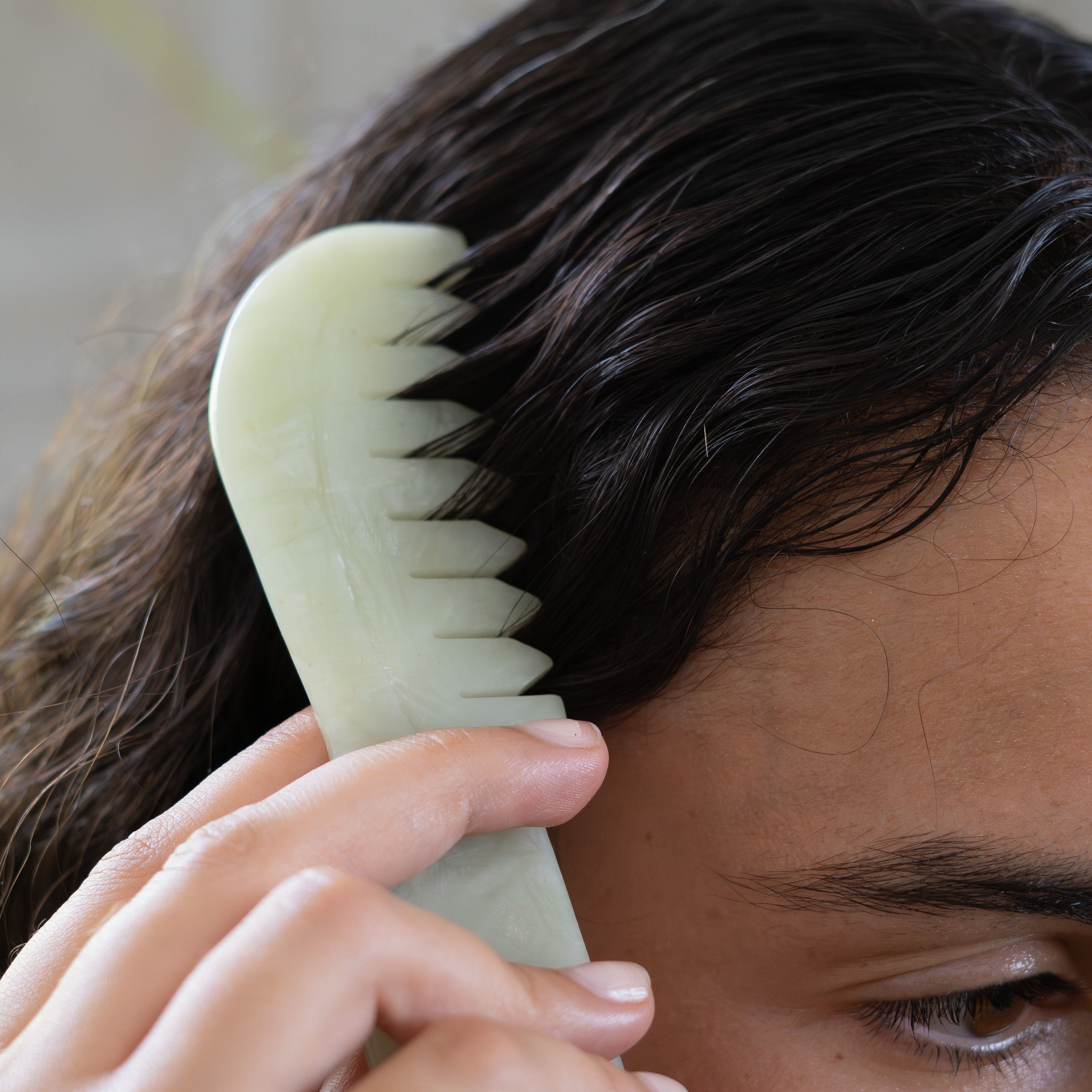
Be generous with it. Part your hair into sections and apply Guada along each part, straight onto your scalp. Massage slowly with your fingertips or with a jade comb, working from your hairline back to the nape of your neck, then smooth what is left through to your ends.
There are three ways we love to use it:
- Before wash day. Apply it to your scalp and hair, leave it on for as long as you like, then wash as usual.
- Overnight. Apply it in the evening, wrap your hair in a silk scarf or bonnet, and wash in the morning.
- As a daily seal for curls. Smooth it over damp hair after washing to seal in moisture and keep curls soft.
A good place to start is one overnight treatment a week. From there, add more as you get to know what your hair likes best.
If you are new to scalp combs, our guide on how to use a jade scalp comb walks you through it, step by step.
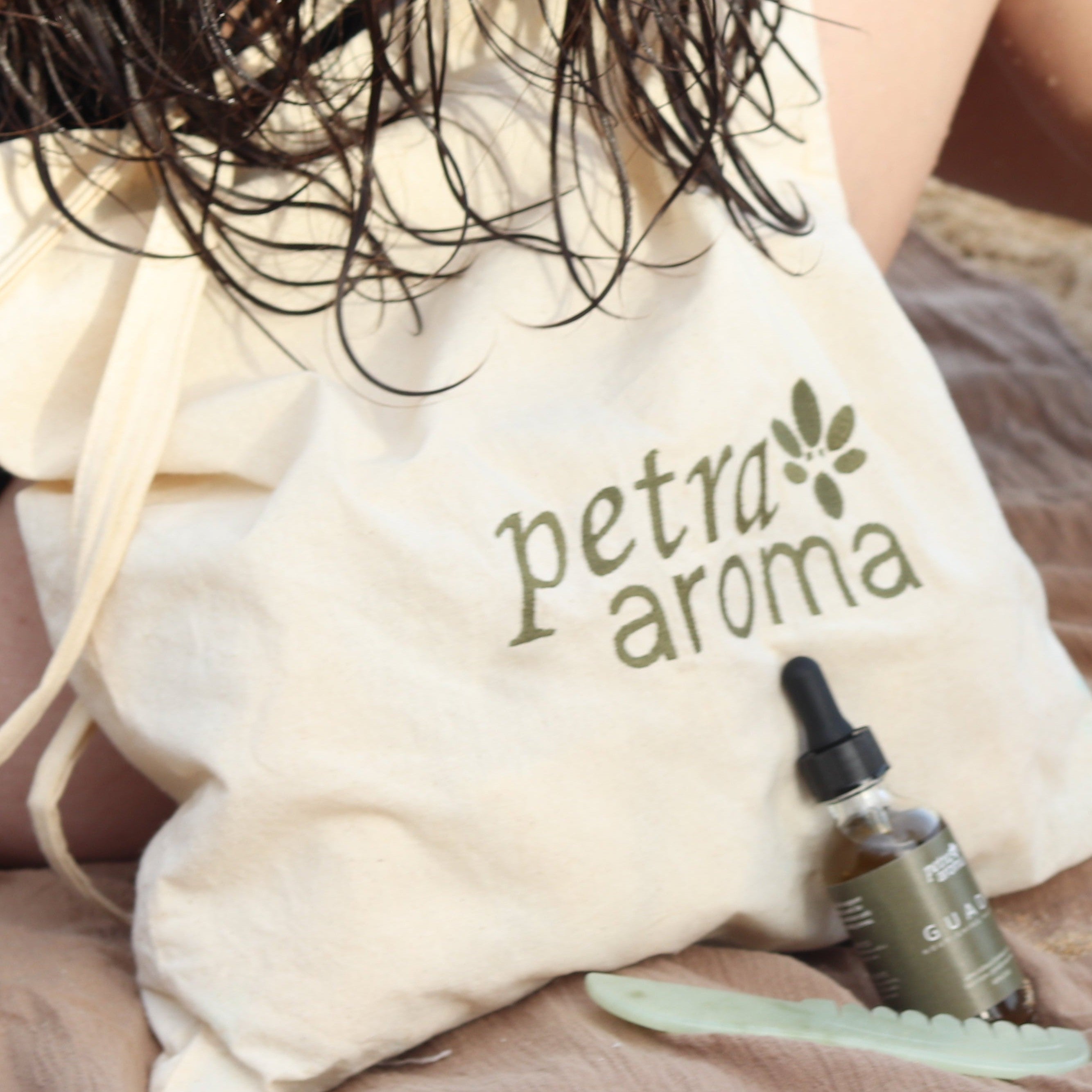
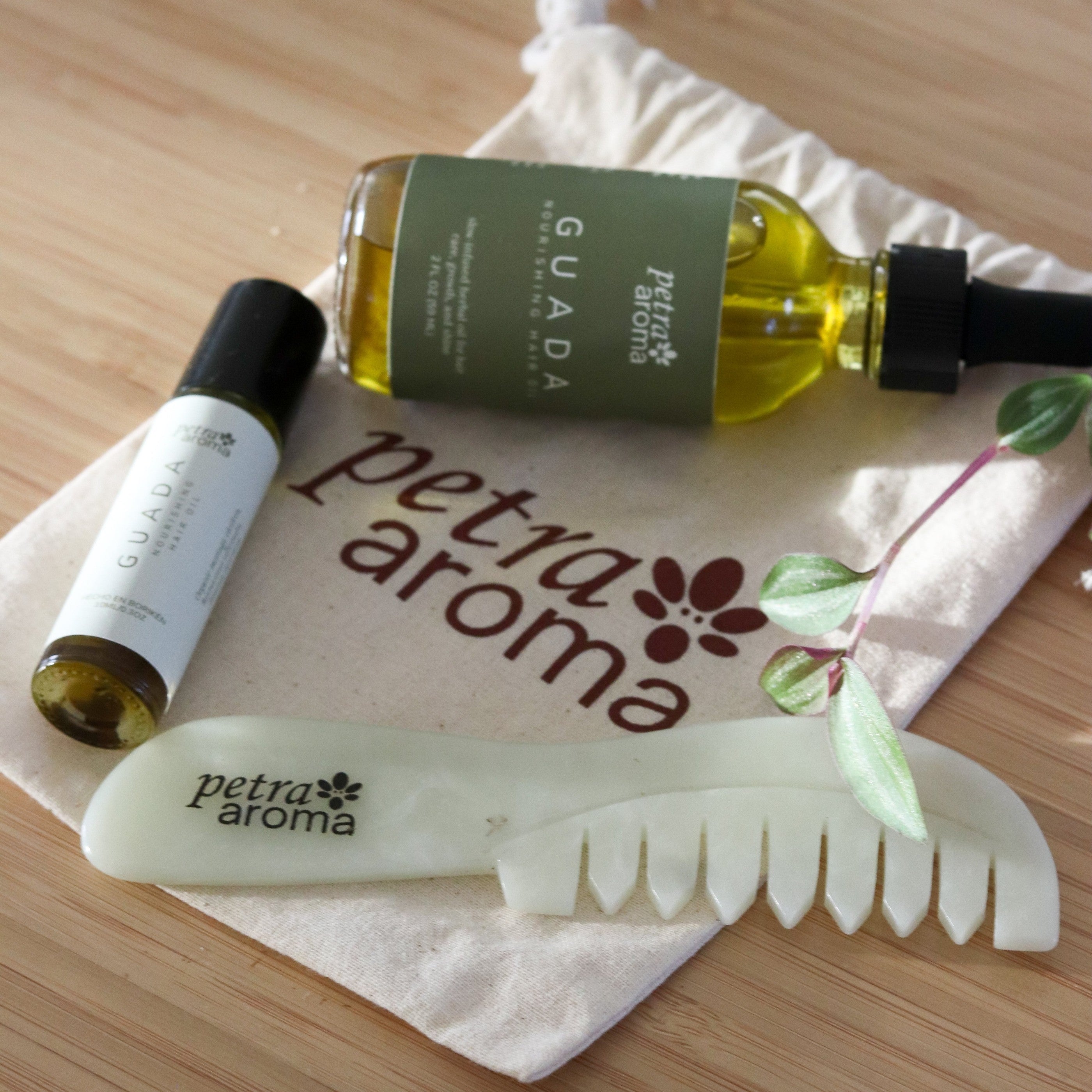
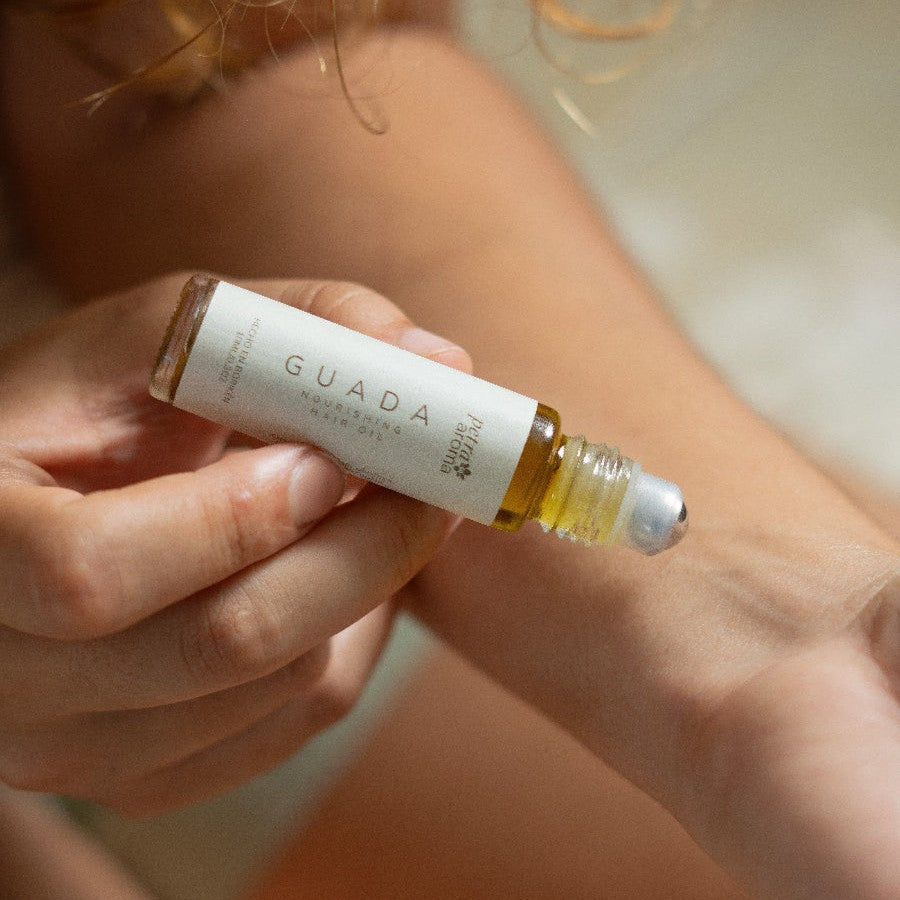
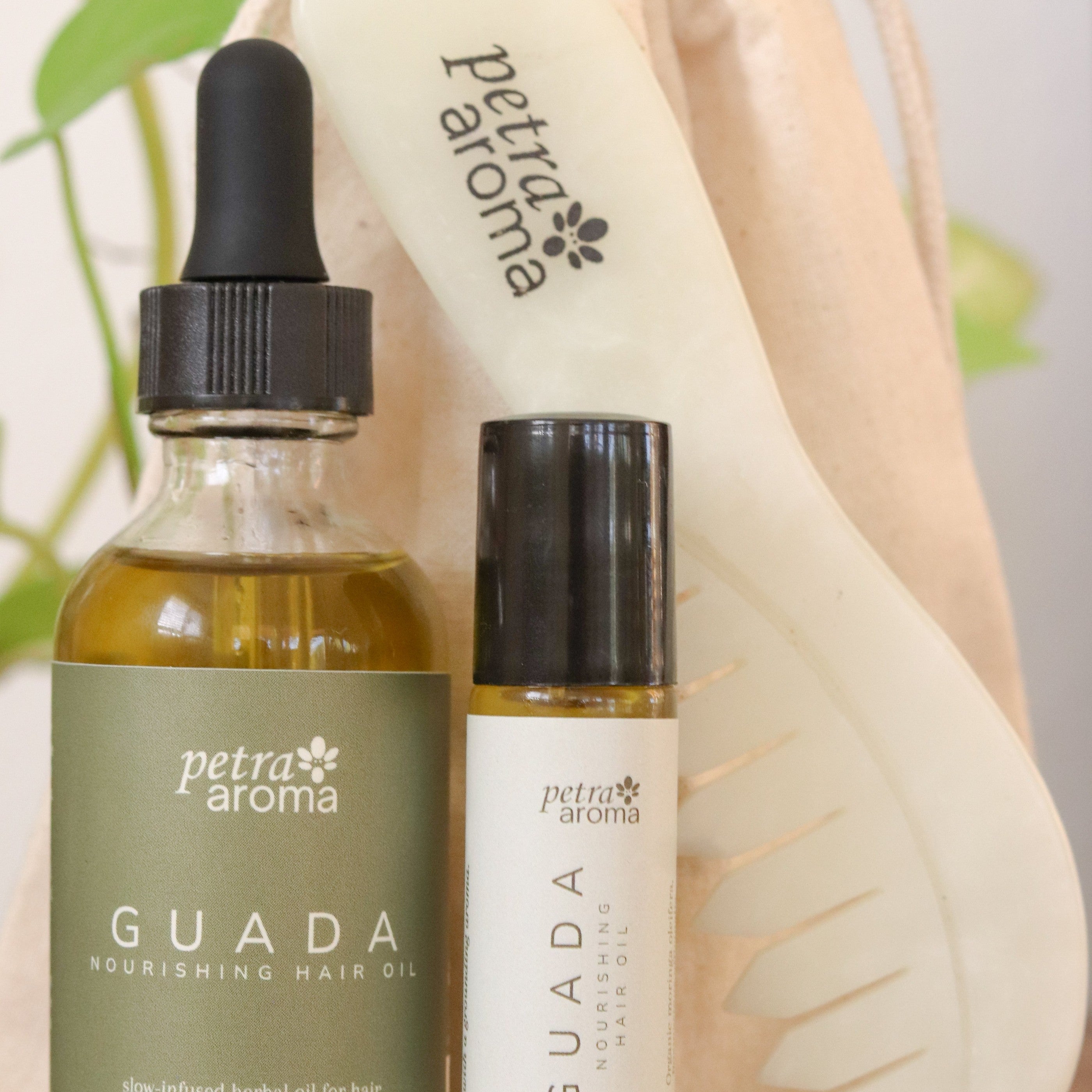
Guada means garden in Taíno. It was our first product, and it holds a special place for us. Meet Guada, or find it together with our jade comb in the Guada gift set. And if you would like help choosing among our other oils, take the quiz.
keep reading