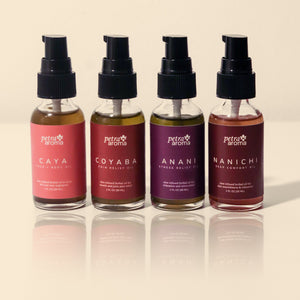
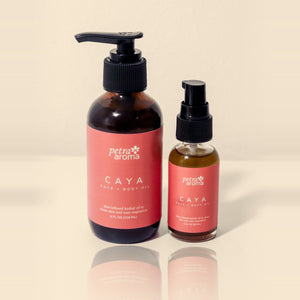
guava leaf and lemongrass: the plants inside caya

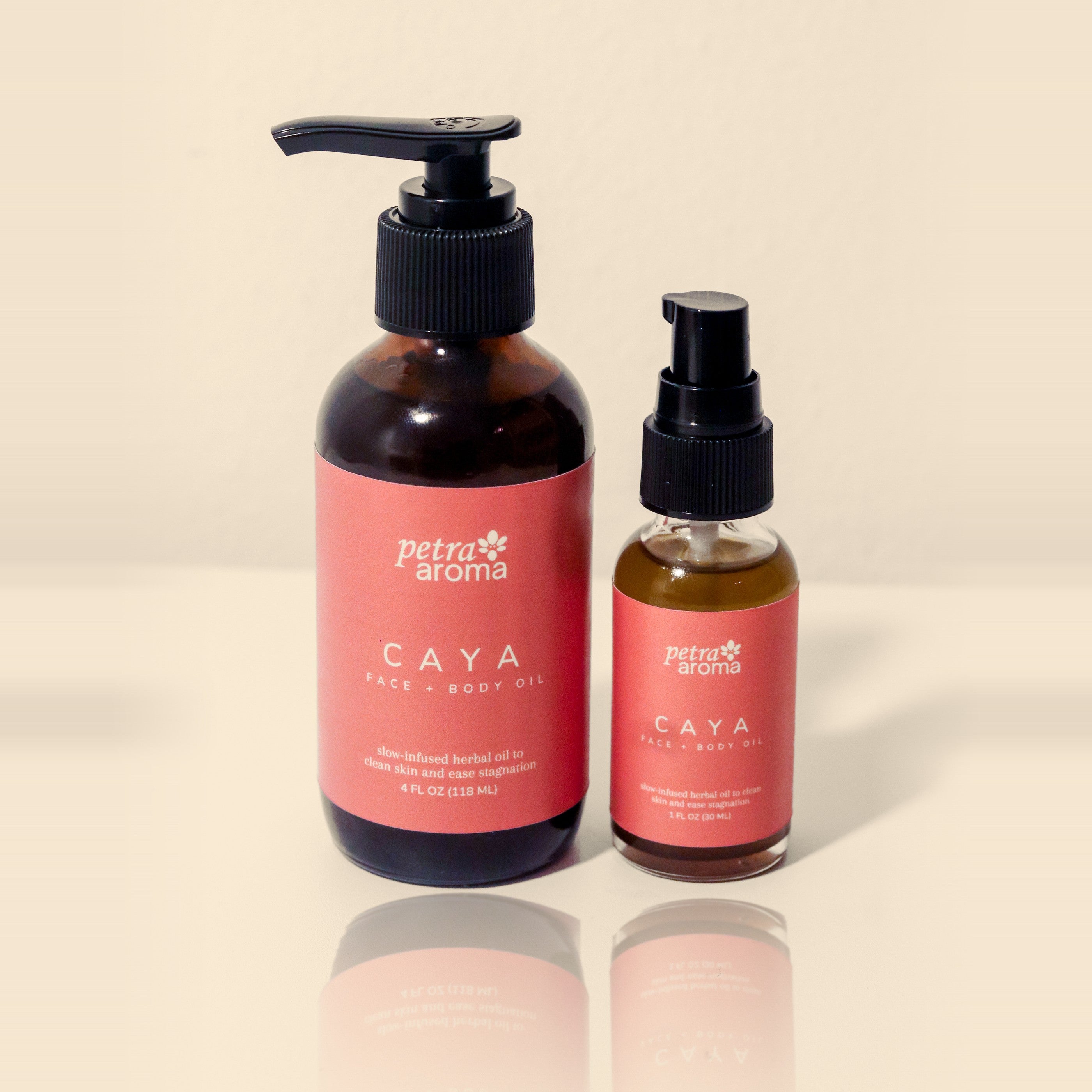
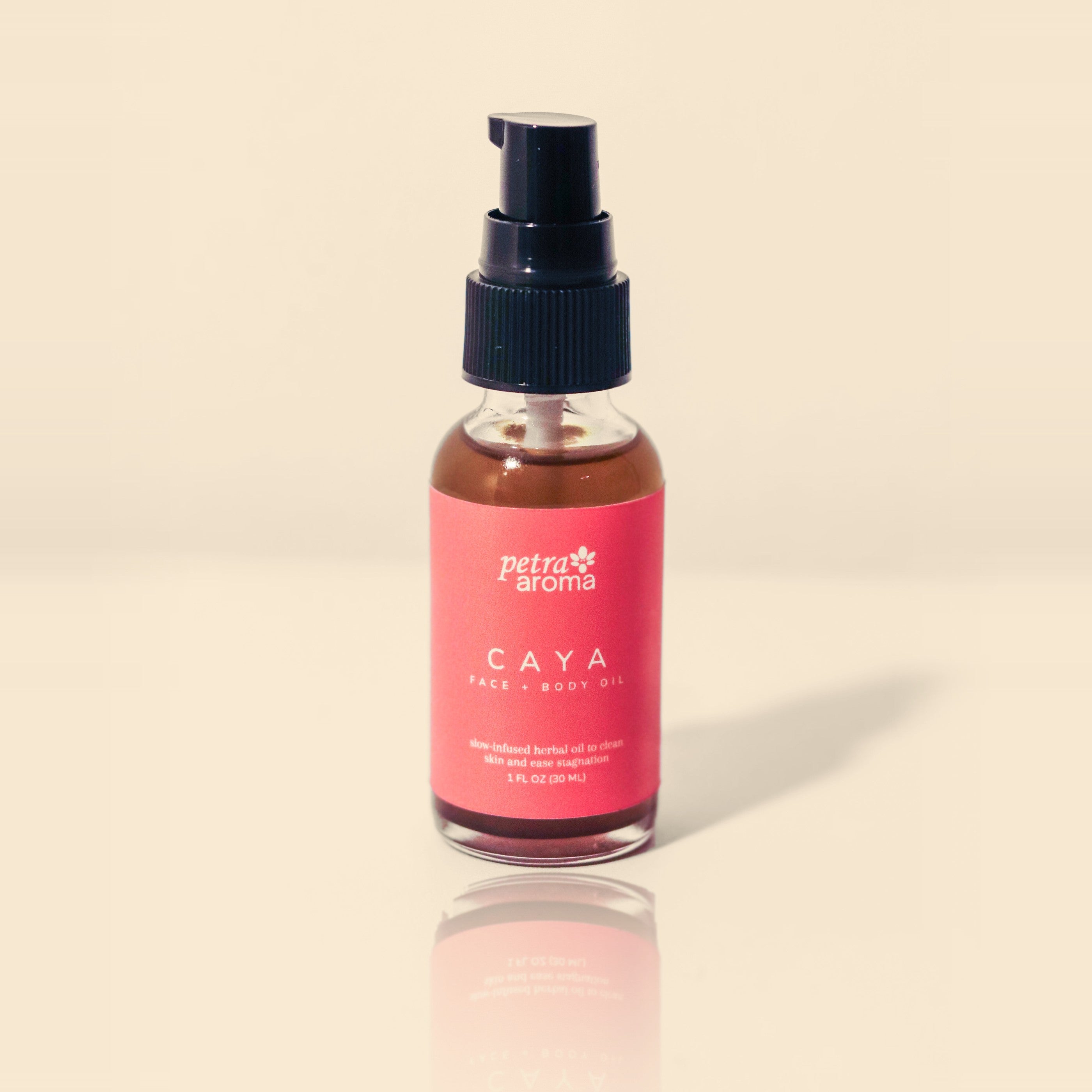
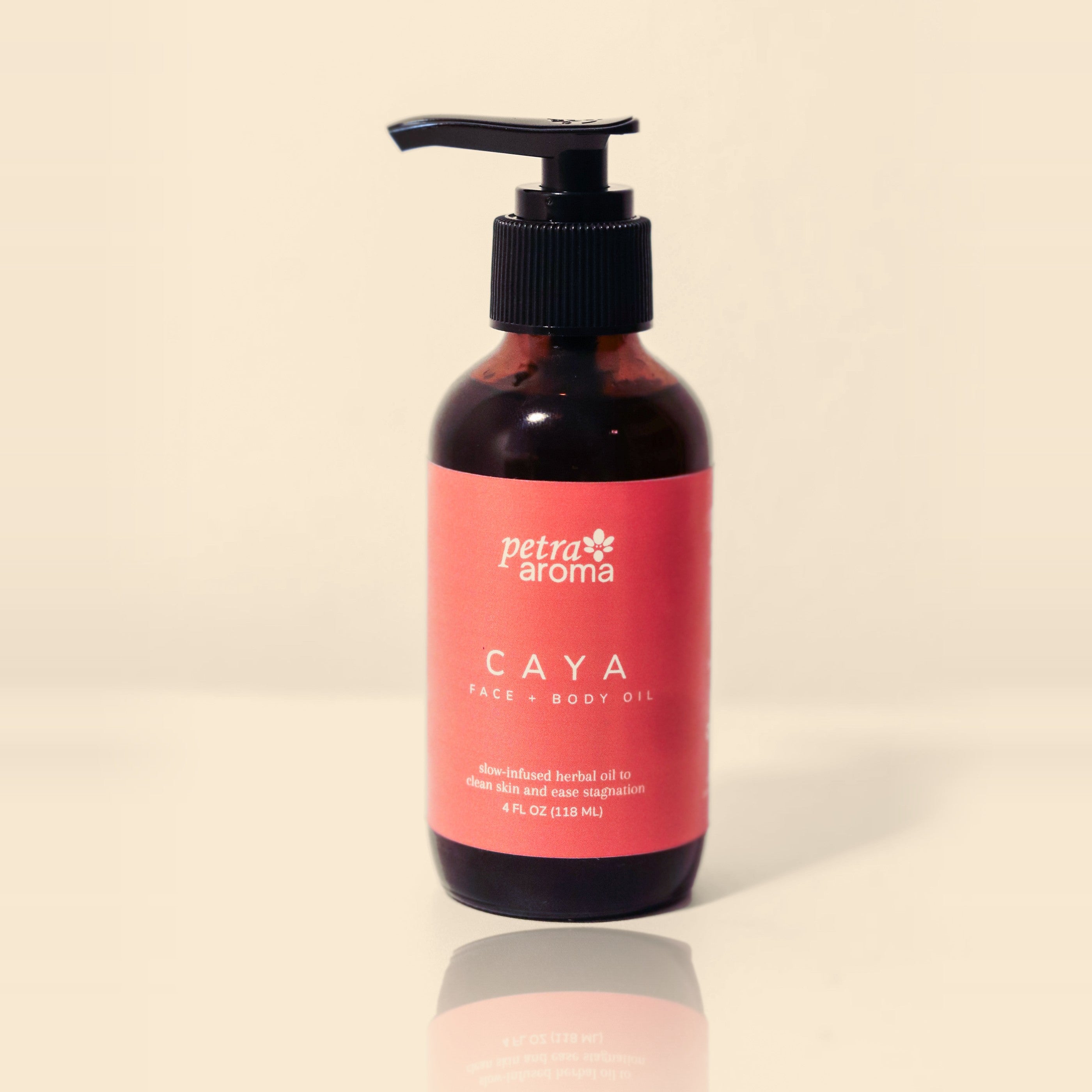
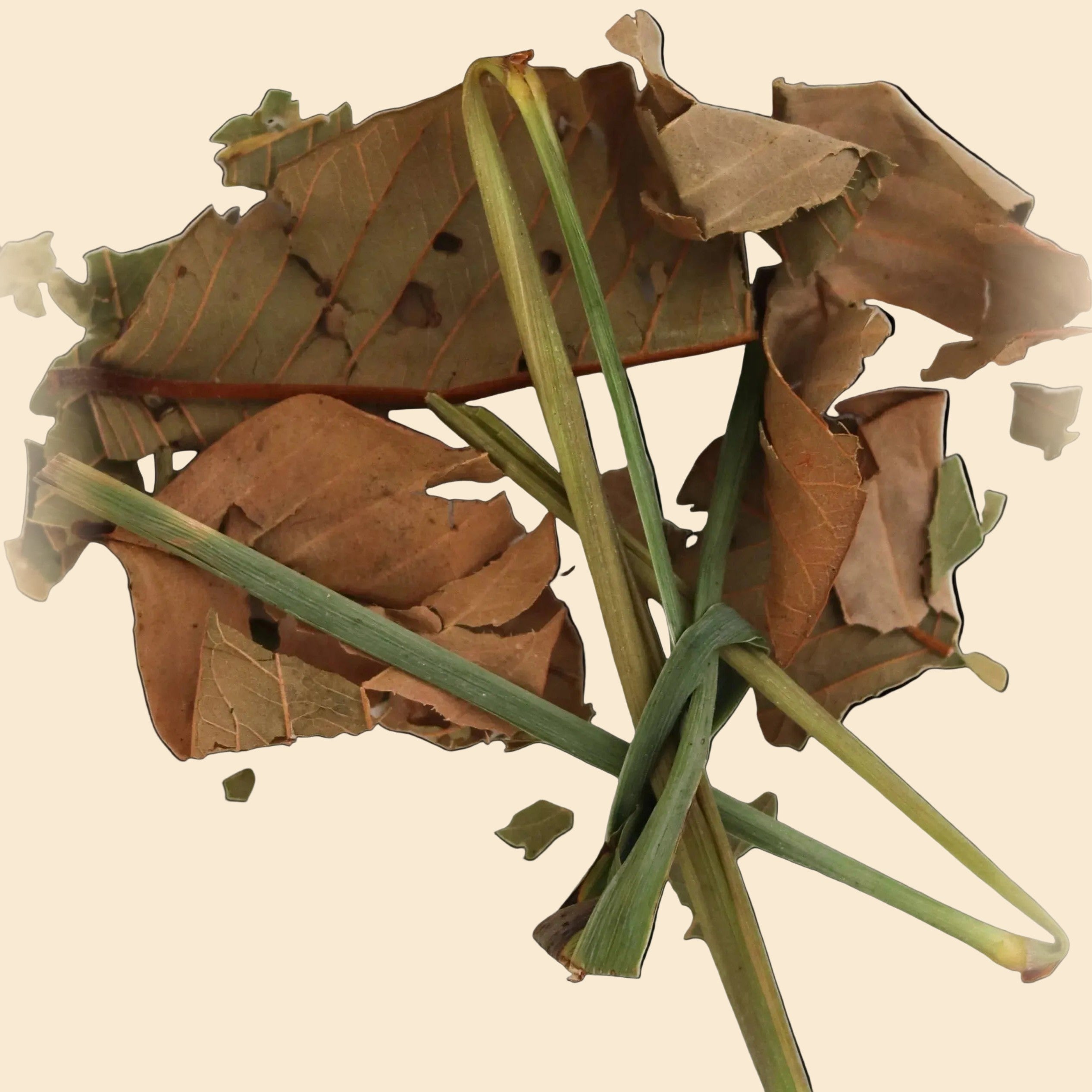
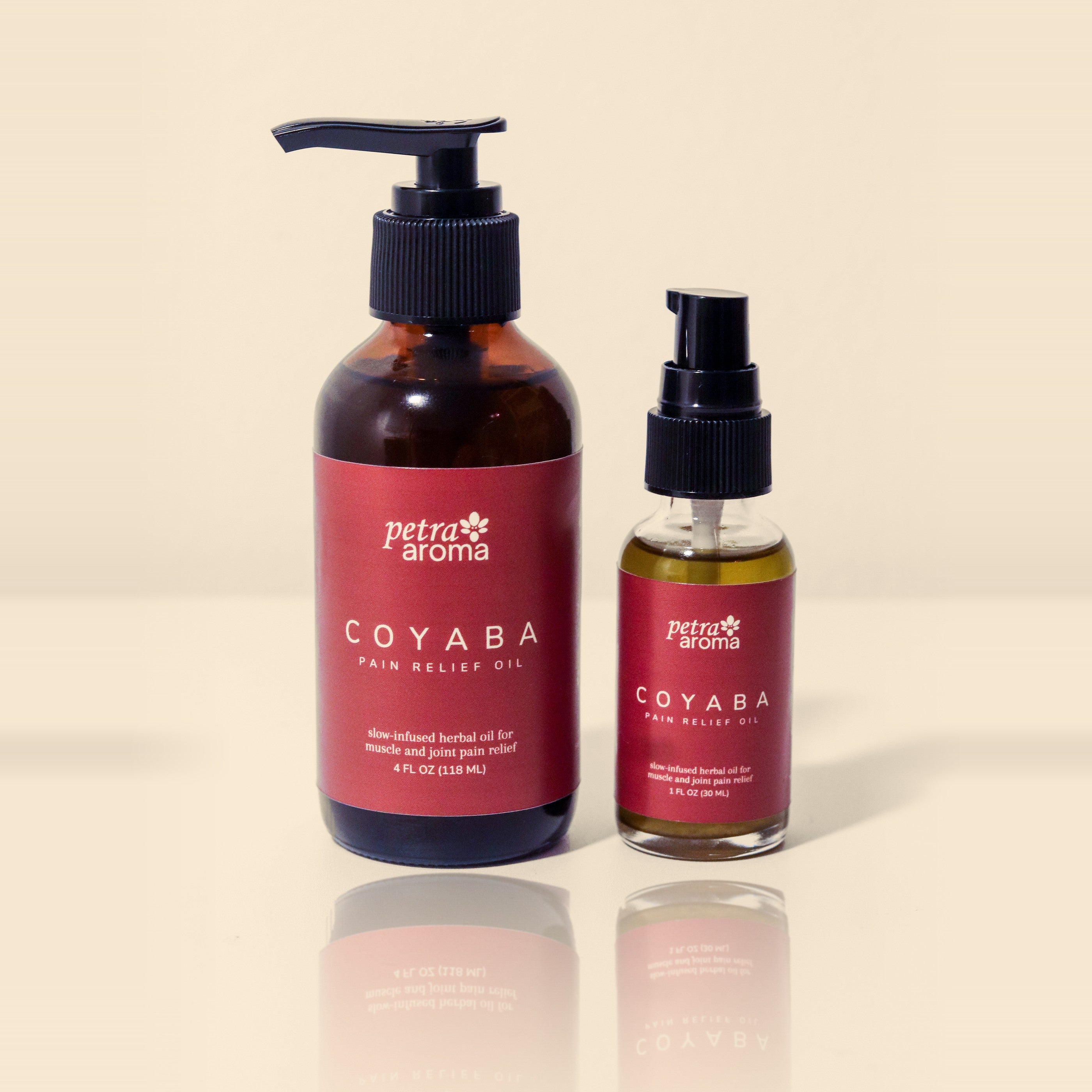
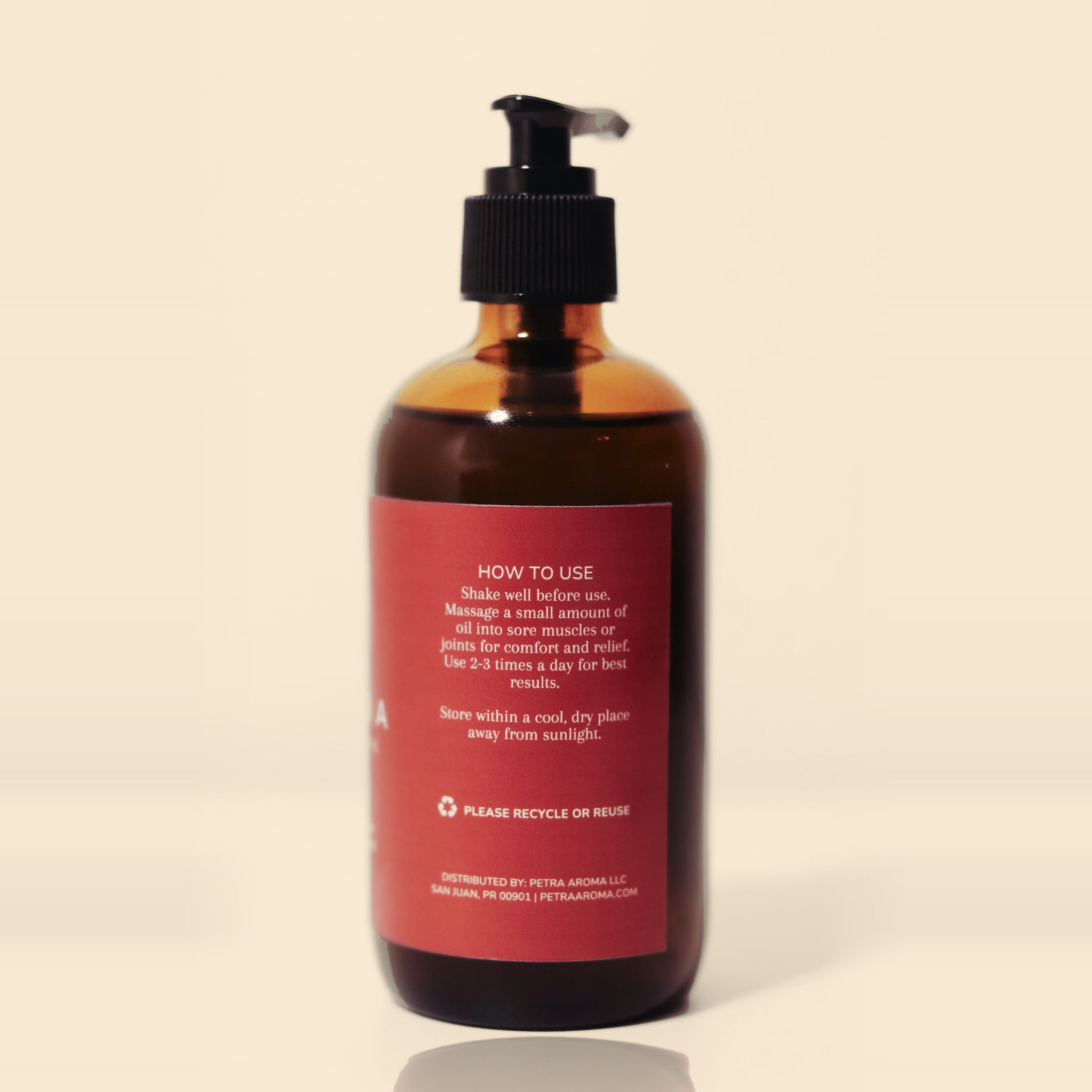
Caya is our face and body oil, and it holds two plants that grow easily in the Caribbean heat: guava leaf and lemongrass. People find us searching for guava leaf for skin, usually after hearing about it from an abuela, a neighbor, or a tea their mother used to make. The leaf has been part of home care across the islands for generations, long before anyone put it in a bottle. Here is what lives inside Caya, why we chose these two plants, and how the oil behaves once it is on your face.
why we use guava leaf for skin
Guava trees are everywhere in Borikén. They grow along fences, in backyards, at the edges of roads, and the fruit gets all the attention while the leaf quietly does the work. Across the Caribbean, guava leaf has been boiled for washes, compresses and rinses for as long as anyone can remember. It is one of those plants that stayed in the household because it kept earning its place.
The research follows the tradition closely. Guava leaf polyphenols have documented antioxidant, wound-healing and antibacterial activity. [2] That combination is a large part of why we built a face oil around it. Antioxidant activity matters for skin that spends its life under strong sun. Wound-healing and antibacterial activity matter for skin that is working through breakouts, small scrapes, or the aftermath of a rough week. When people ask about guava leaf benefits for skin, that is the honest answer: a leaf with real documented activity and a very long track record in Caribbean homes.
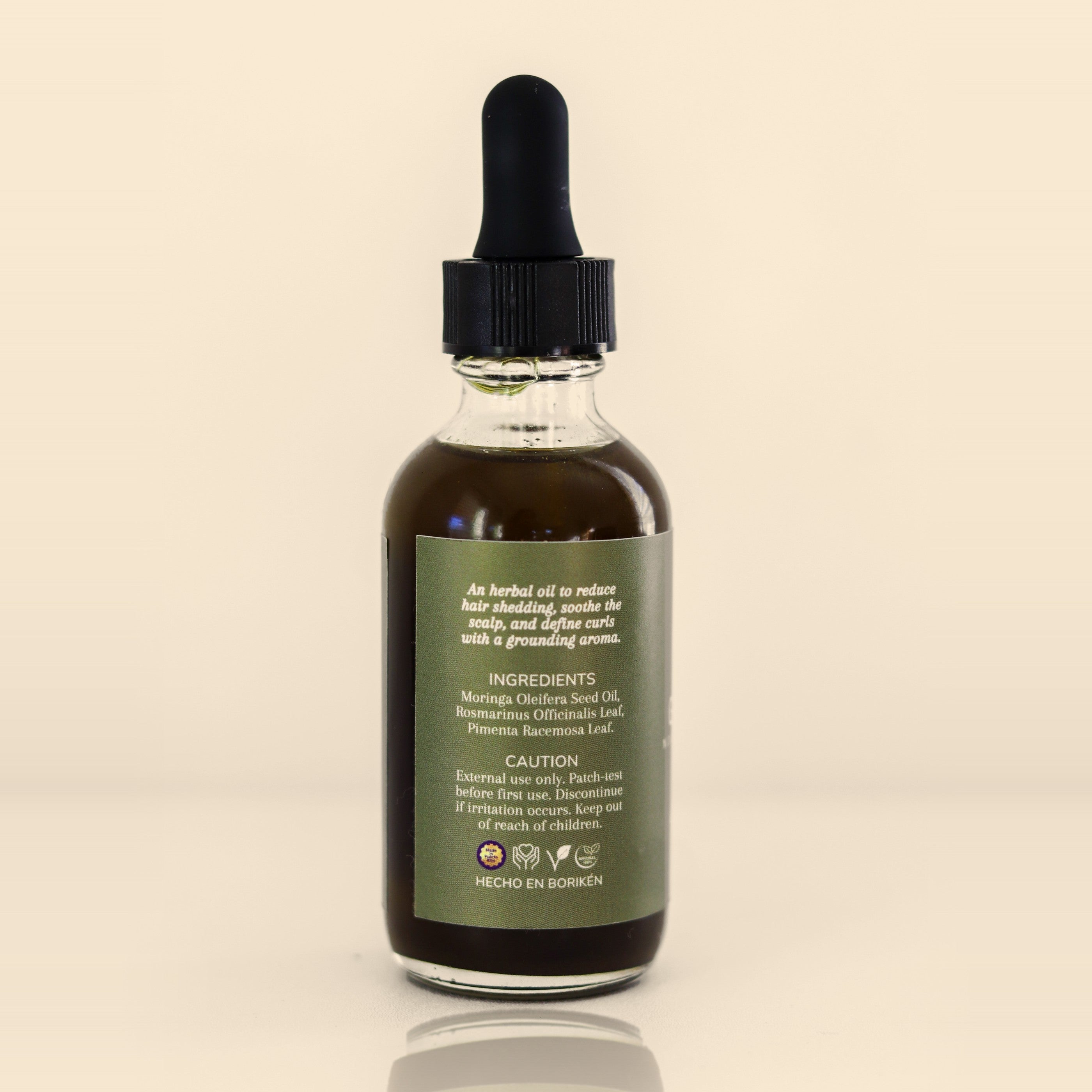
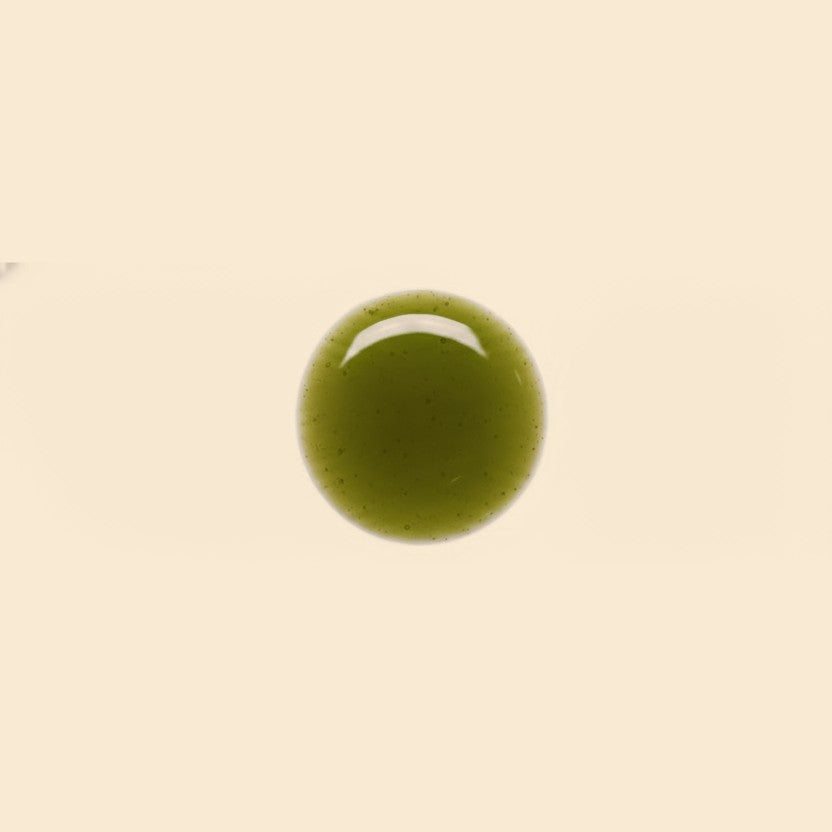
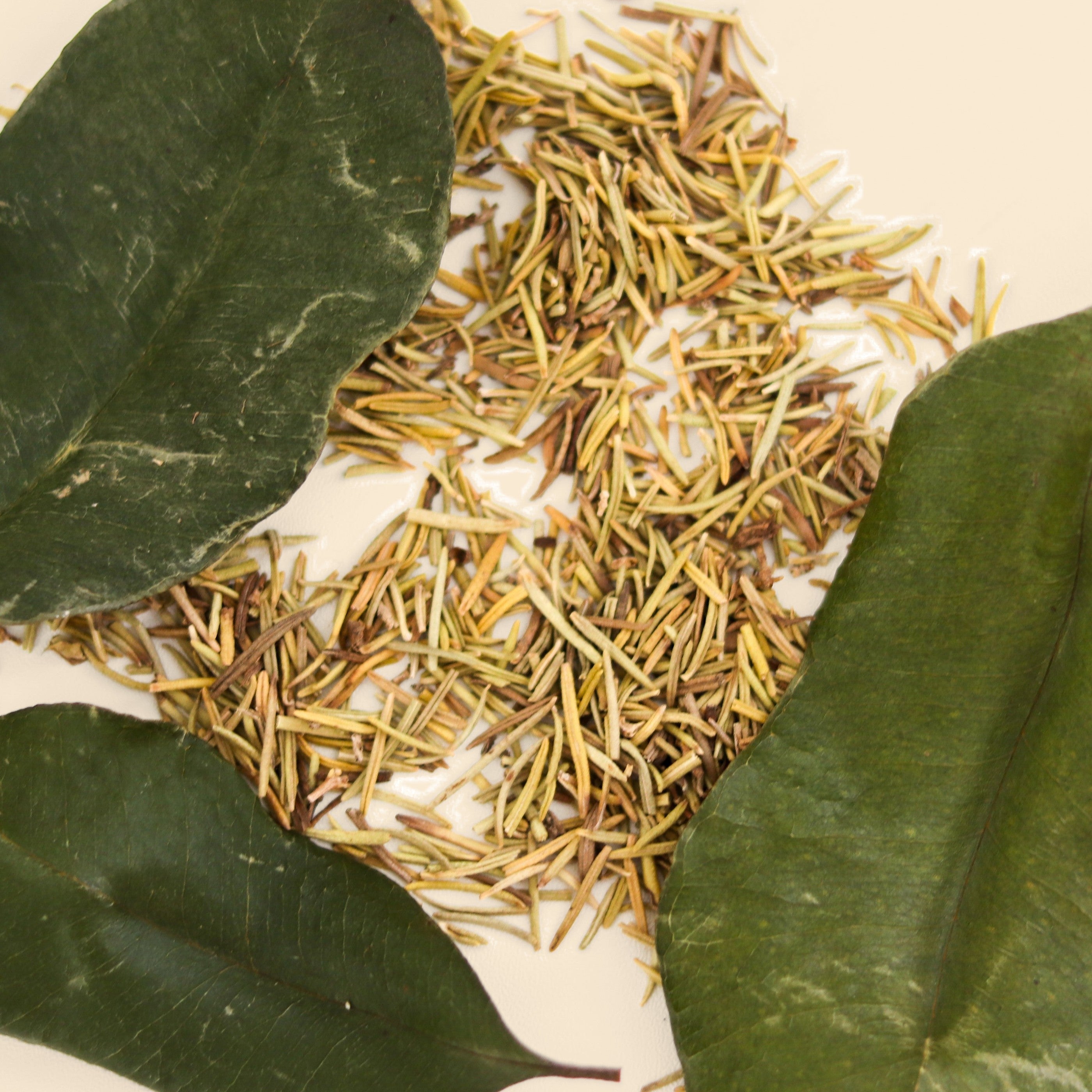
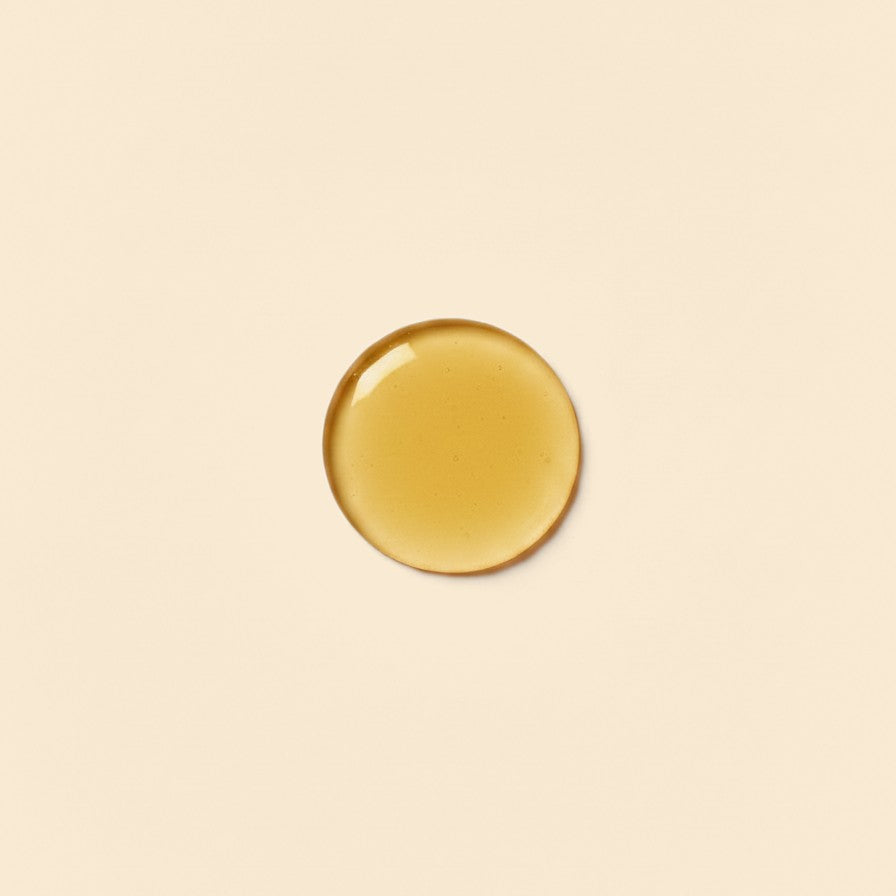
In Caya, we use the whole leaf. It goes into organic seed oil and sits there, slowly releasing what it has. Nothing is isolated, nothing is concentrated in a lab. The oil turns a soft green because the plant is actually in it.
lemongrass for skin, and the aroma it brings
Lemongrass is the second plant, and it does two jobs at once. The first is aroma. Caya carries a bright citrus-green lift that opens the whole formula, and it comes entirely from the infused grass itself, not from anything added afterward.

The second job is skin work. Lemongrass has documented antibacterial activity, including against the bacteria associated with acne, Cutibacterium acnes. [3] That is the reason lemongrass for skin keeps coming up in conversations about clarity and breakouts. Paired with guava leaf, you get two plants that both bring antibacterial and antioxidant qualities from different angles, layered into one oil.
why moringa seed oil, and zero essential oils
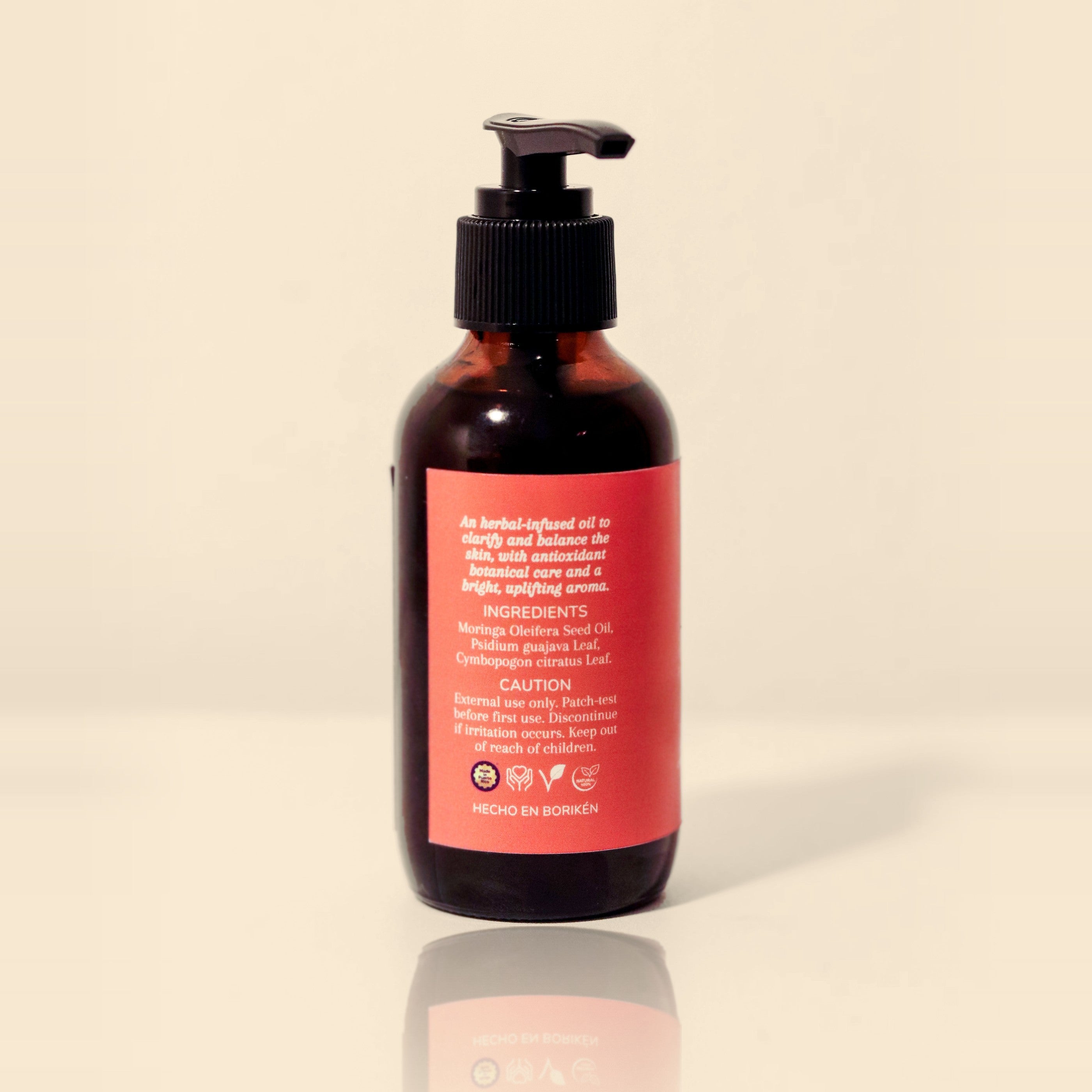
Every Petra Aroma oil starts with organic moringa seed oil, and that choice is deliberate. Moringa is light, absorbs quickly, and does not sit on the surface of the face feeling heavy. It also carries its own documented anti-inflammatory activity when applied to skin, so the base is not just a carrier. [1] It is a third plant in the formula.

Caya contains zero essential oils. Everything you experience in the bottle, the color, the aroma, the feel, comes from whole leaves and grass steeping in oil over time. This is the slower way to make a product. It is also the way herbal medicine has been practiced in the Caribbean for centuries, and it is how our Abuela Petra's generation would have recognized a remedy: plant, oil, patience.
how do you use caya as a morning face oil?
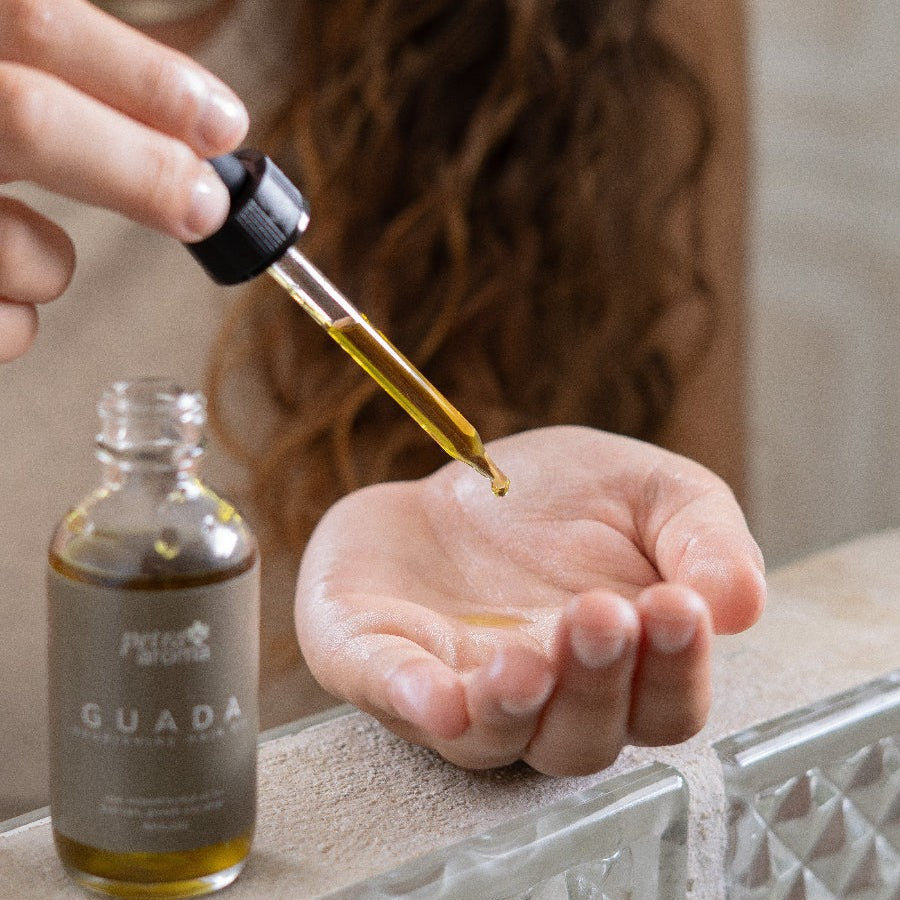
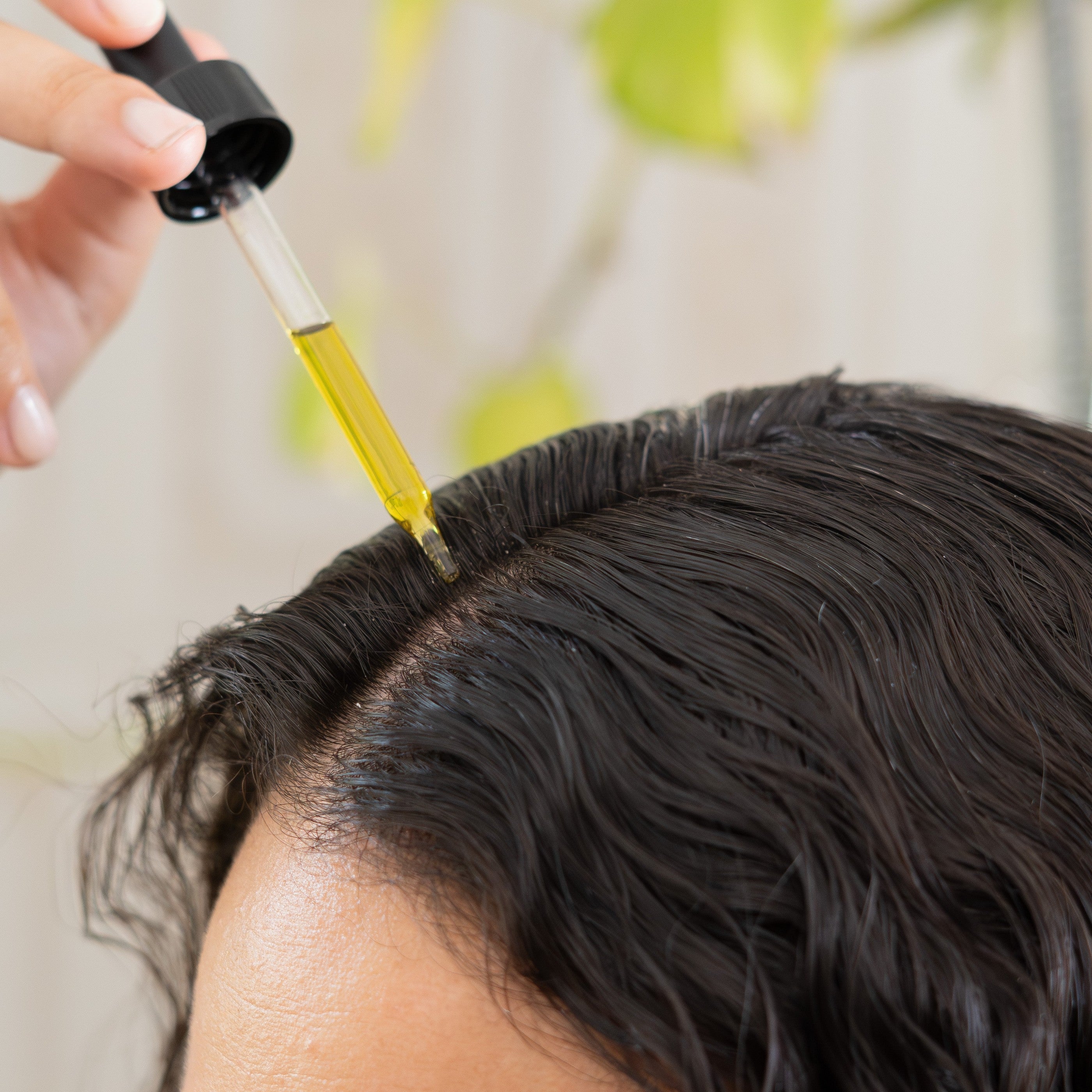
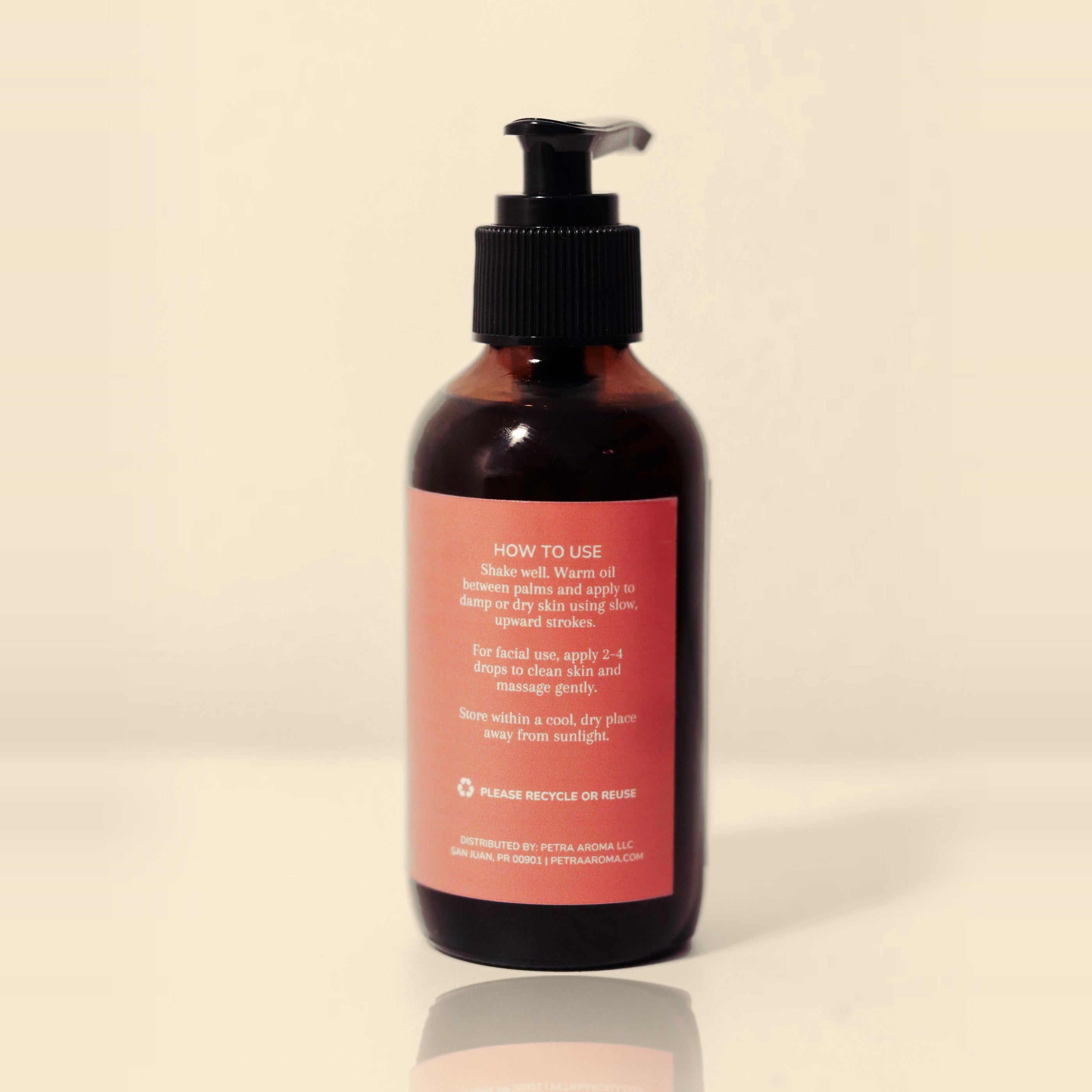
Start generously. Two to four pumps into clean hands, warmed between the palms, then pressed onto the face and neck. Press rather than rub. Let the oil meet the skin the way you would greet someone slowly.
Caya works beautifully as a morning face oil because moringa absorbs fast enough to layer under sunscreen or makeup without slipping, and the lemongrass aroma wakes you up in a way that feels earned rather than sharp. At night, apply generously as the last step and let it stay on the surface longer.
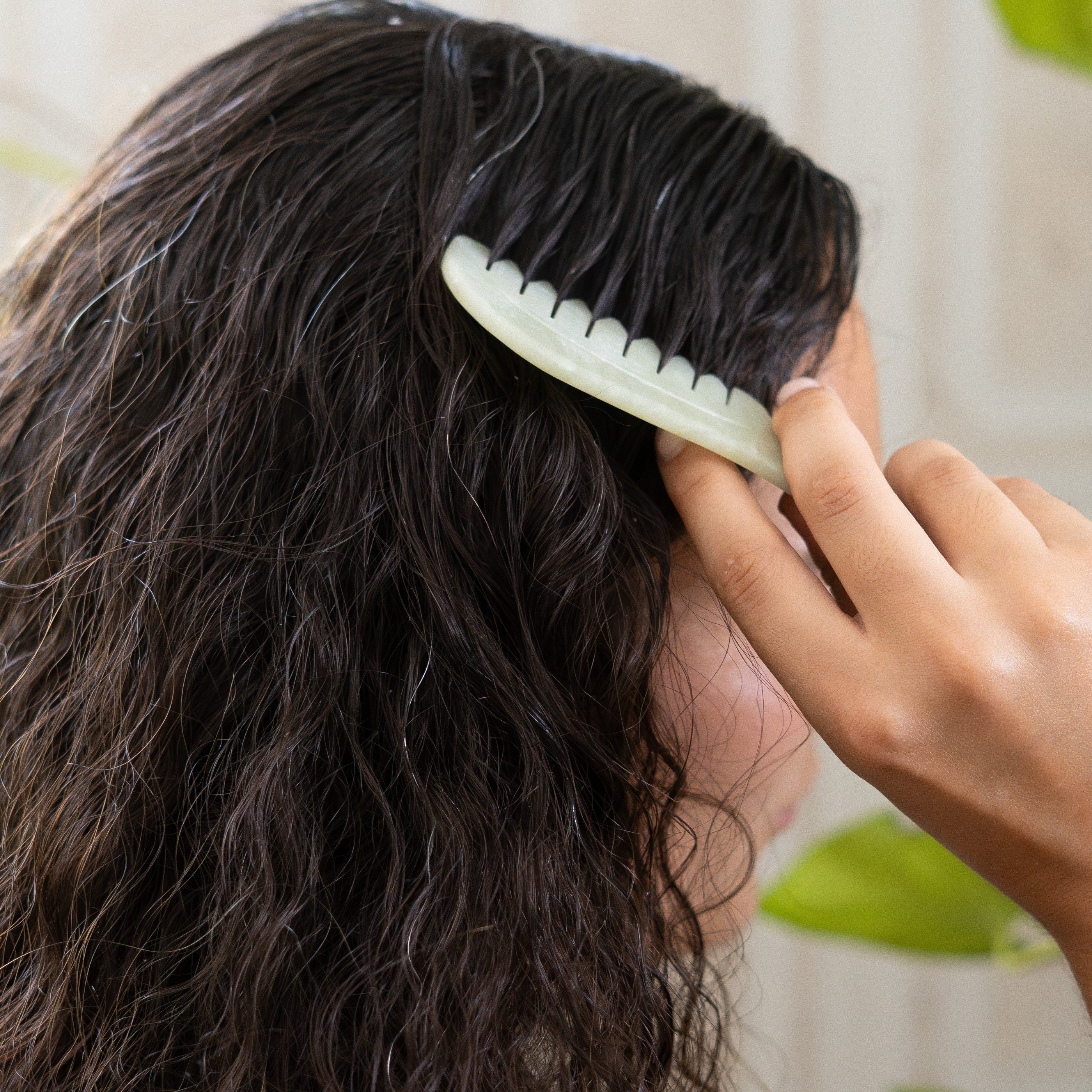
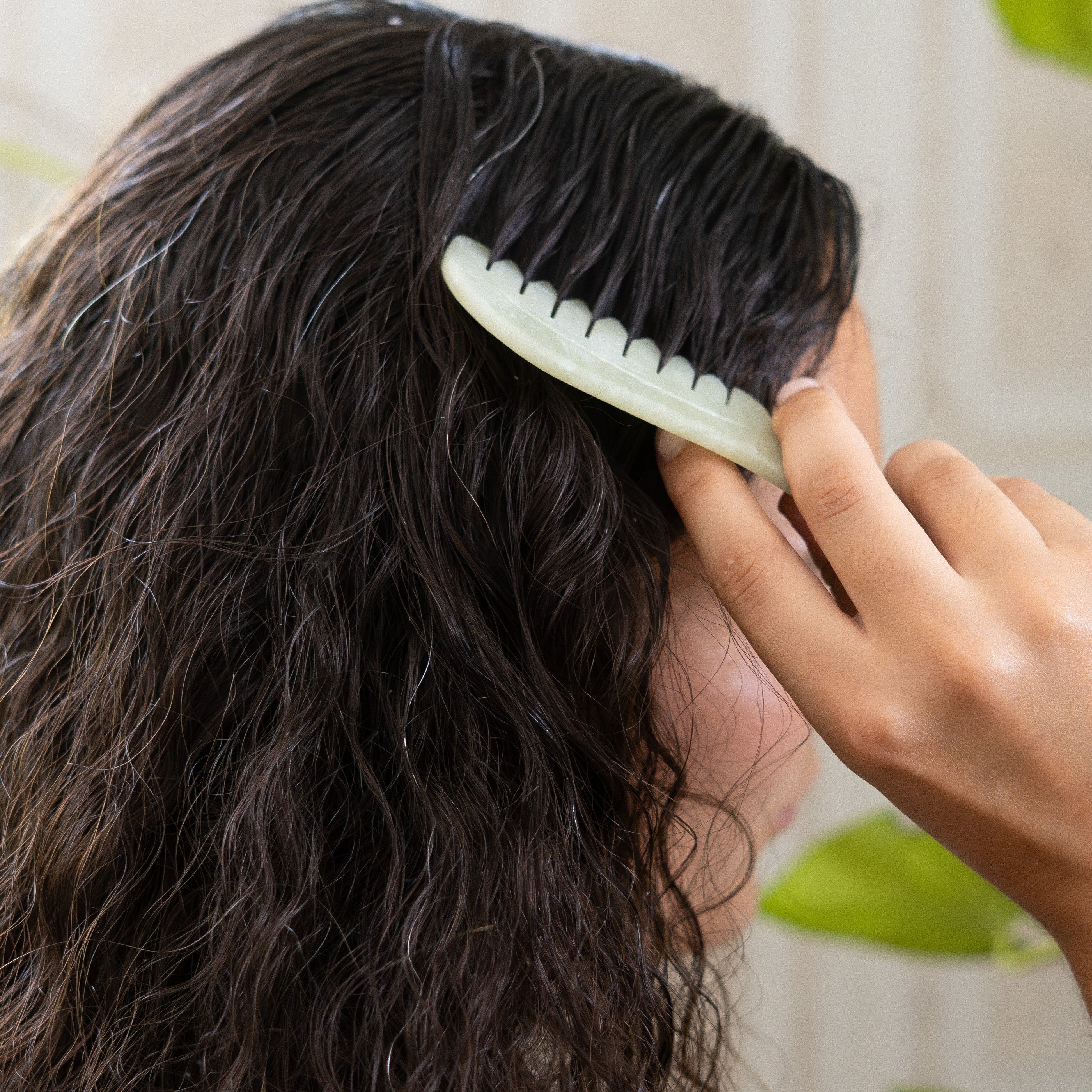
It also makes an excellent gua sha oil. Stone tools need enough slip to glide without dragging, and a light infused oil gives you that without a greasy film left behind. Add an extra pump before you start, work slowly, and let the massage be the point.

Think in terms of consistency, not a single application. Skin that has been dry, sun-worn, or neglected during a busy season responds to daily attention: cleanse, apply Caya generously while the face is still slightly damp, and massage it in with slow upward strokes. Massage brings blood to the surface, which is why skin looks awake afterward. And Caya is a face and body oil, so the same bottle goes down the arms, across the chest, anywhere that needs it.
caya means island
In Taíno, the indigenous language of Borikén, caya means island. That is the whole idea behind this oil: two plants that grow easily here, made into something you can carry with you wherever you are.
Meet Caya, or if you are not sure which of our oils fits your skin and your days right now, take the quiz and we will point you toward the right one.
references
- Expanding the anti-inflammatory potential of Moringa oleifera: topical effect of seed oil on skin inflammation and hyperproliferation. Journal of Ethnopharmacology. 2020. https://www.sciencedirect.com/science/article/abs/pii/S0378874119339662
- Wound healing, antioxidant and antibacterial activities of polyphenols of Psidium guajava L. leaves. South African Journal of Botany. 2023. https://www.sciencedirect.com/science/article/pii/S0254629923007706
- Phytochemical Profile of Cymbopogon citratus (DC.) Stapf Lemongrass Essential Oil from Northeastern Thailand and Its Antioxidant and Antimicrobial Attributes. Foods. 2024. https://doi.org/10.3390/foods13182928
keep reading